English
한국어
English
Español
中文
हिंदी
Home
News
Community
Dictionary
English
한국어
English
Español
中文
हिंदी
View list
Iris 'Lovely Kay'
Iris germanica
'Lovely Kay'
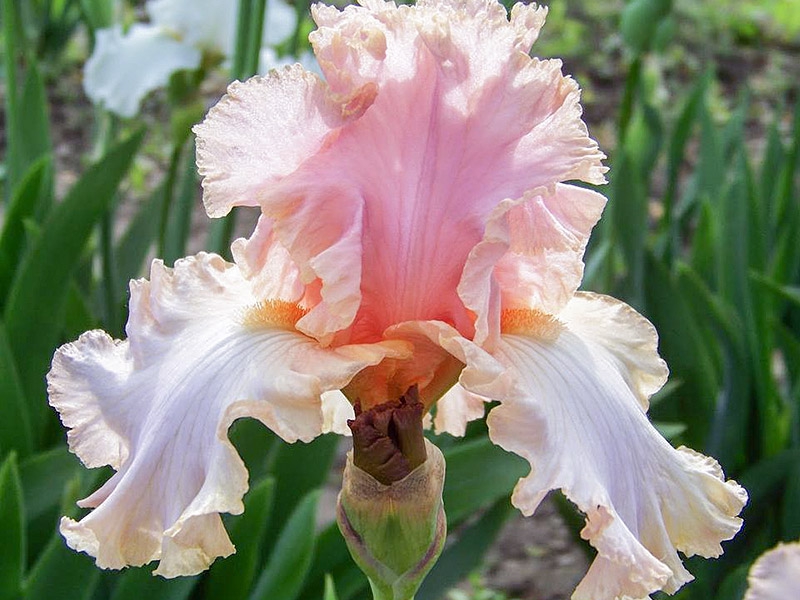
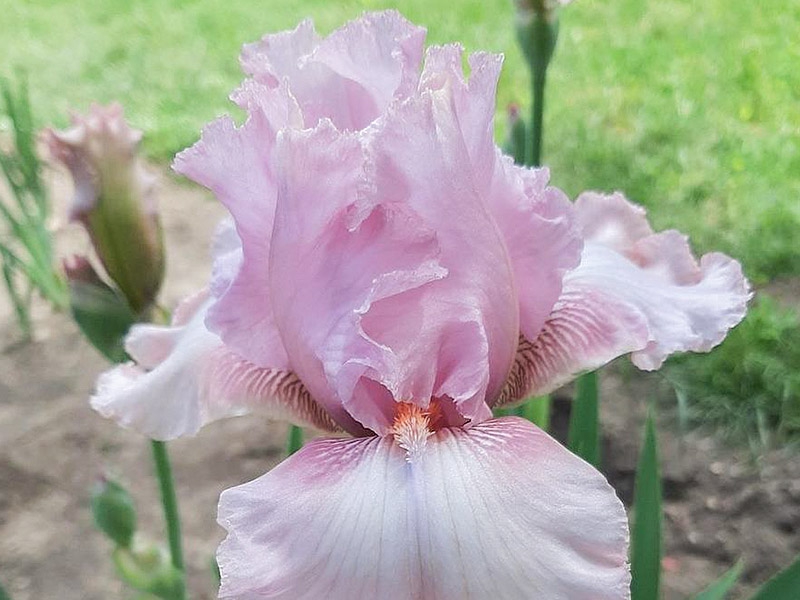
Iris germanica 'Lovely Kay' is a perennial plant with beautiful flowers. It possesses the following growth characteristics, propagation methods, cultivation methods, garden uses, and information on major pests and diseases and control methods. Growth Characteristics - Scientific Name: Iris germanica 'Lovely Kay' - Growth Form: Perennial herbaceous plant - Flower Color: Primarily light pink, sometimes mixed with a slight lavender tint - Flowering Season: Primarily from spring to early summer - Sunlight: Prefers sunny locations - Soil: Prefers well-drained soil and grows well in slightly acidic to neutral soils Propagation Methods - Root Division: Generally propagated by dividing roots after the end of summer Cultivation Methods - Planting: When planting via root division, it is recommended to plant at intervals of approximately 30 cm. - Watering: Maintain a well-drained environment and be careful not to overwater. - Fertilizer: Applying a general, balanced fertilizer once in the spring is sufficient. Uses in the Garden - Landscaping: It fits well as a border or flower bed backdrop, and the flowers are also frequently cut and used for indoor decoration. Important Pests and Control Methods - Pests: Pests such as stink bugs may primarily occur on the flowers, and root rot may also develop. - Control Methods: - Plant in a well-ventilated area to avoid overwatering. - Use appropriate insecticides for periodic weed removal and pest control. - Remove any diseased leaves immediately, and use an appropriate fungicide if necessary. As such, 'Lovely Kay' is an attractive plant that allows you to enjoy its beautiful flowers for a long time with relatively easy care.
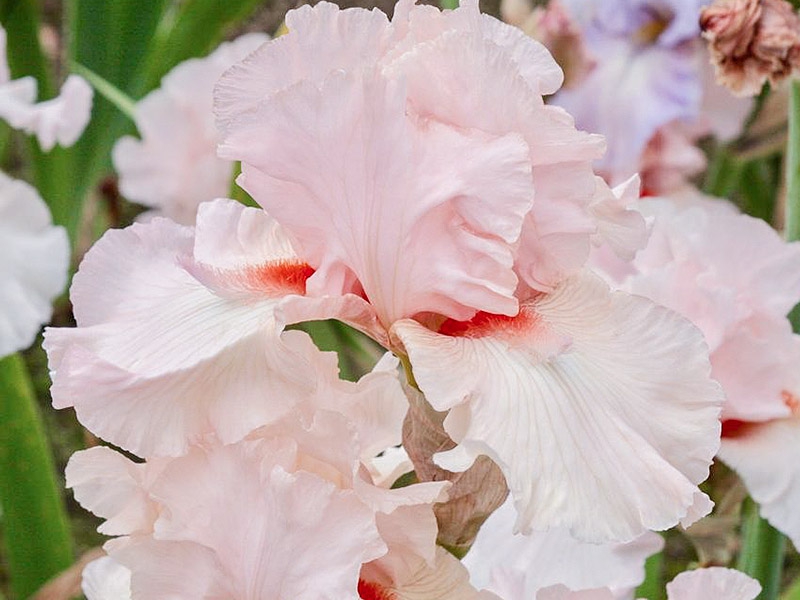
Plant Family
Iris family
Height
60~90cm
Spread
30~60cm
Colors
pink
Bloom Period
May~June
Water Needs
commonly
Exposure
Sunny
Freezing Resistance
-5°C
Iris 'Magari'
Iris germanica
'Magharee'
Iris 'Louisa Song'
Iris germanica
'Louisa's Song'