English
한국어
English
Español
中文
हिंदी
Home
News
Community
Dictionary
English
한국어
English
Español
中文
हिंदी
View list
Mosaenamu
Vaccinium bracteatum
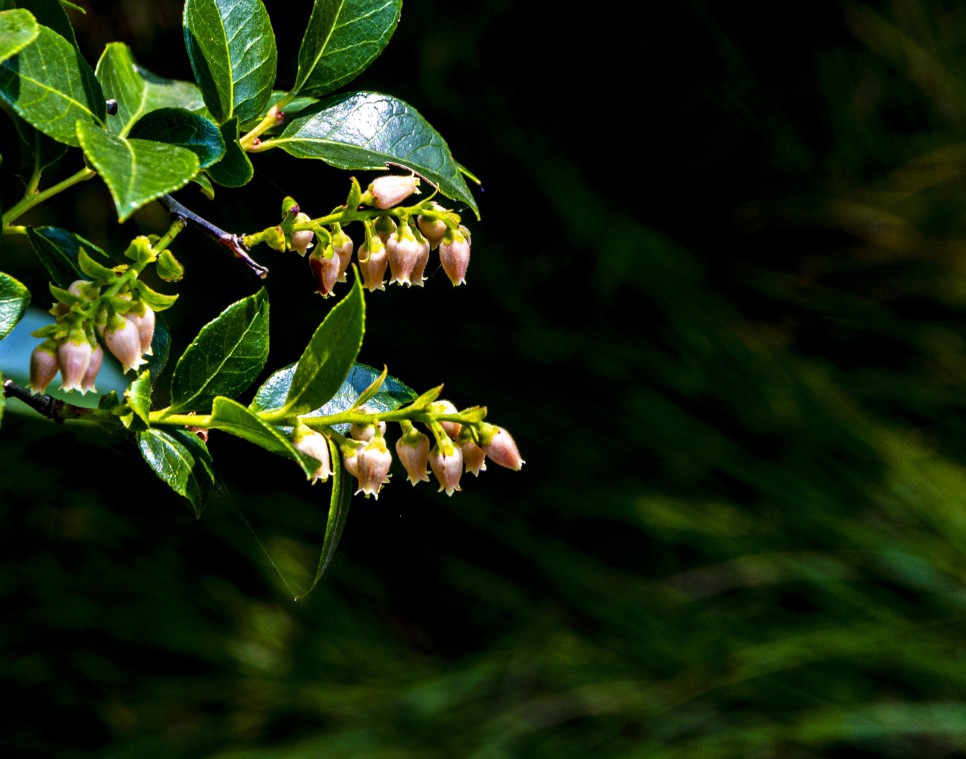
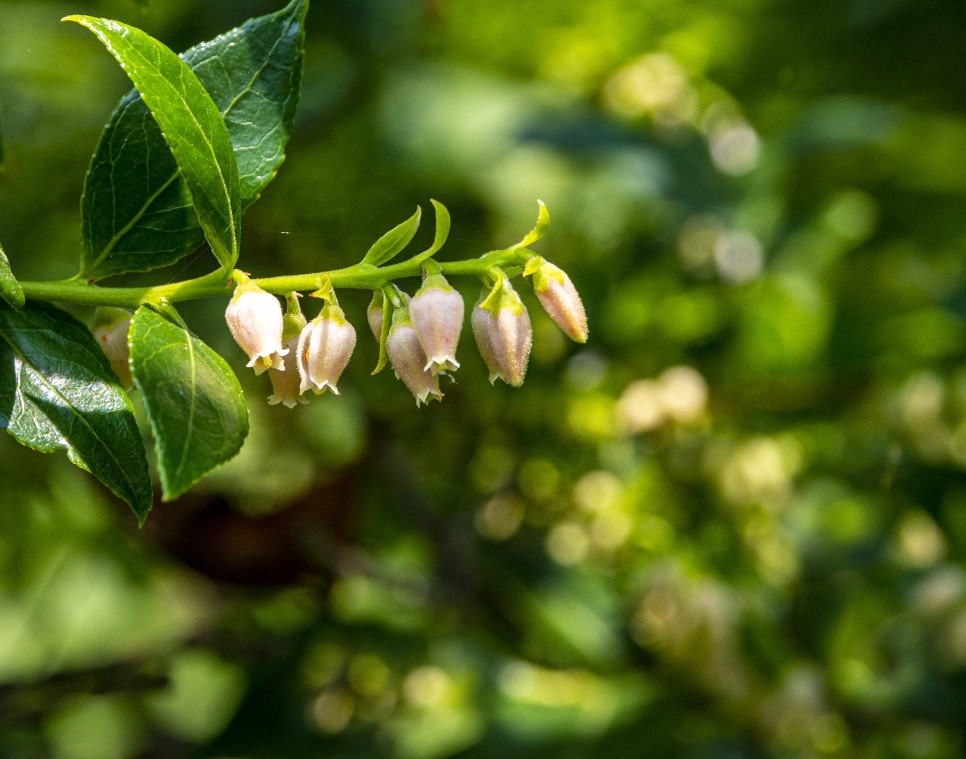
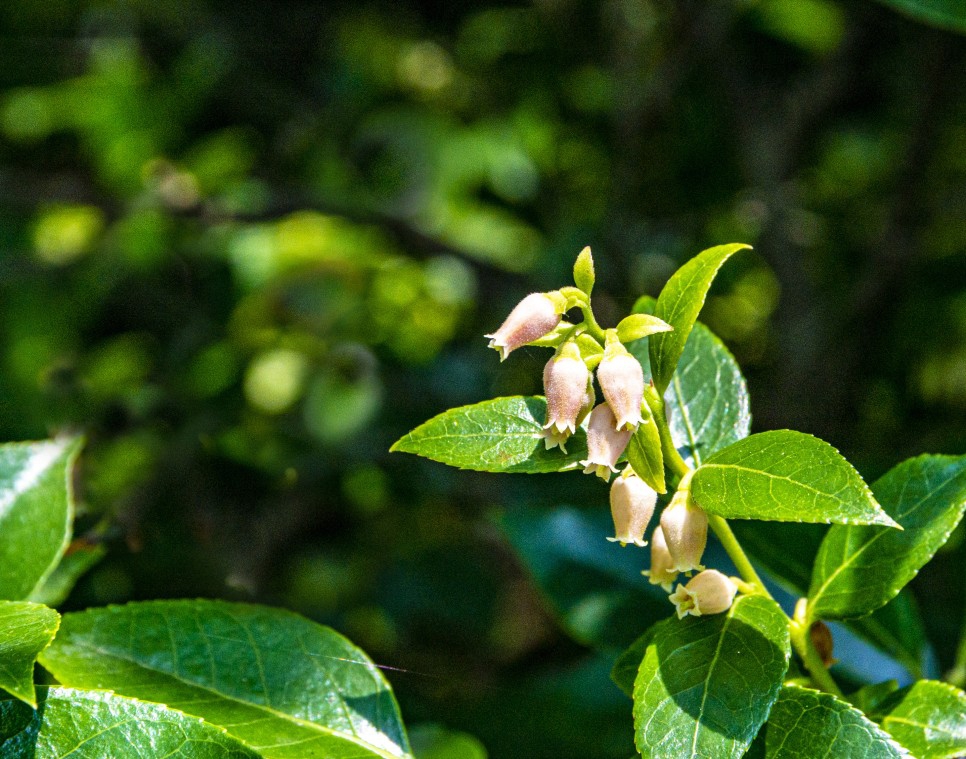
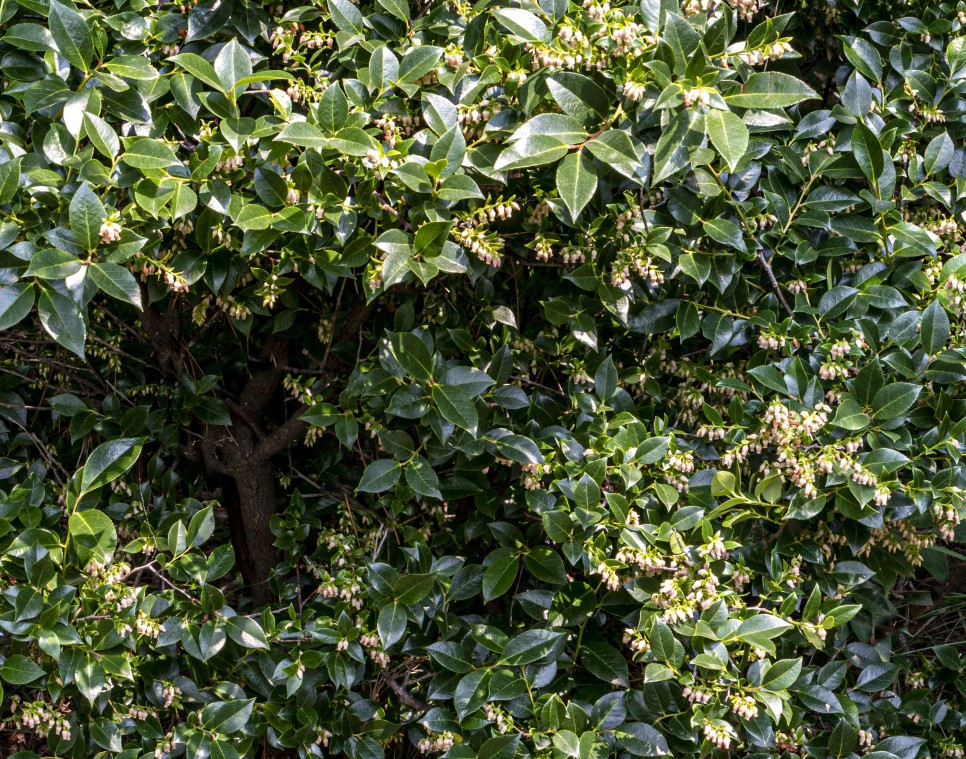
Vaccinium bracteatum is an evergreen shrub that thrives in diverse environments. It possesses the following characteristics regarding growth, propagation, cultivation, garden uses, and important pests and diseases, as well as control methods. Growth Characteristics - Environmental Adaptability: Vaccinium bracteatum grows well in various soils and environments, provided the soil drainage is good. It thrives in both shade and full sun and is relatively resistant to cold. - Height: It typically grows to about 1 to 2 meters and maintains a shrub-like form. - Leaves and Flowers: The leaves are dark green and glossy. It produces small white or pale pink flowers in the summer. Propagation Methods - Seeds: It can be propagated by seeds, but this method has the disadvantage of a low germination rate and a long time. - Cuttings: Generally, propagation by cuttings is more efficient. Cut semi-hardened branches in spring or early summer and take cuttings. Cultivation Methods - Soil: It prefers acidic soil, and well-drained soil is suitable. - Watering: Moderate watering is required, and it is important to avoid excessive moisture or dryness. - Fertilization: It is beneficial to provide nutrients using slow-release fertilizer in the spring. Uses in the Garden - Ornamental Effect: Due to its dense, glossy leaves and beautiful flowers, it is suitable as an ornamental plant for garden borders or along walkways. - Ecological Value: It provides habitat for wildlife, and the flowers attract pollinators such as bees. Important Pests and Control Methods - Common Pests: Aphids and scale insects may occur. It is recommended to wash these pests with soapy water or use insecticides if necessary. - Diseases: It can be susceptible to fungal diseases; to prevent this, it is important to maintain proper ventilation and avoid excessive moisture. - Control Methods: Using organic pesticides is an environmentally friendly approach to pest management. Additionally, diseased leaves or branches should be removed immediately to prevent the spread of the disease. The Japanese quince is a plant that can be very useful in the garden due to its beauty and healthy growth characteristics. By applying appropriate care methods depending on the environment, lush growth can be encouraged.
Plant Type
Plant Family
Rhododendron family
Height
1∼3m
Spread
Colors
white
Bloom Period
June
Water Needs
commonly
Exposure
Sunny
Freezing Resistance
-10°C
Banda Lamelata
Vanda lamellata
Malbaengi namul
Gypsophila vaccaria