English
한국어
English
Español
中文
हिंदी
Home
News
Community
Dictionary
English
한국어
English
Español
中文
हिंदी
View list
cranberry
Vaccinium vitis-idaea
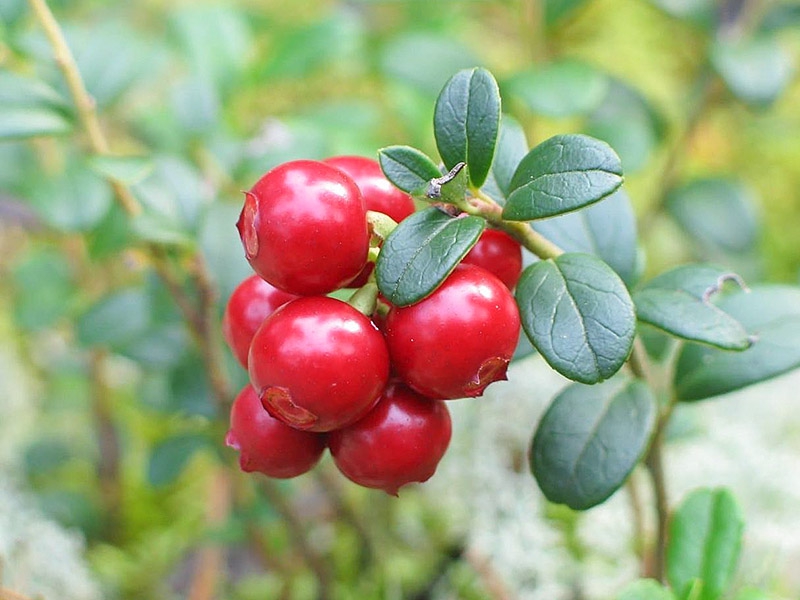
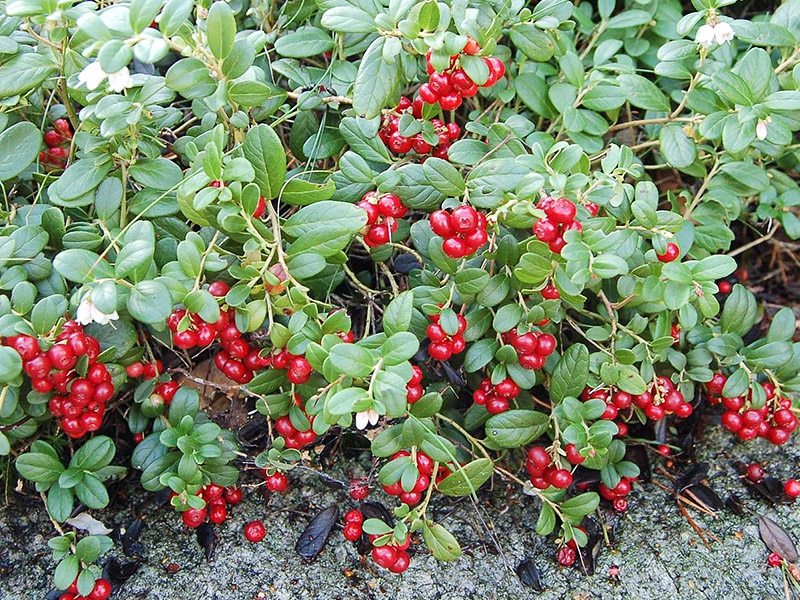
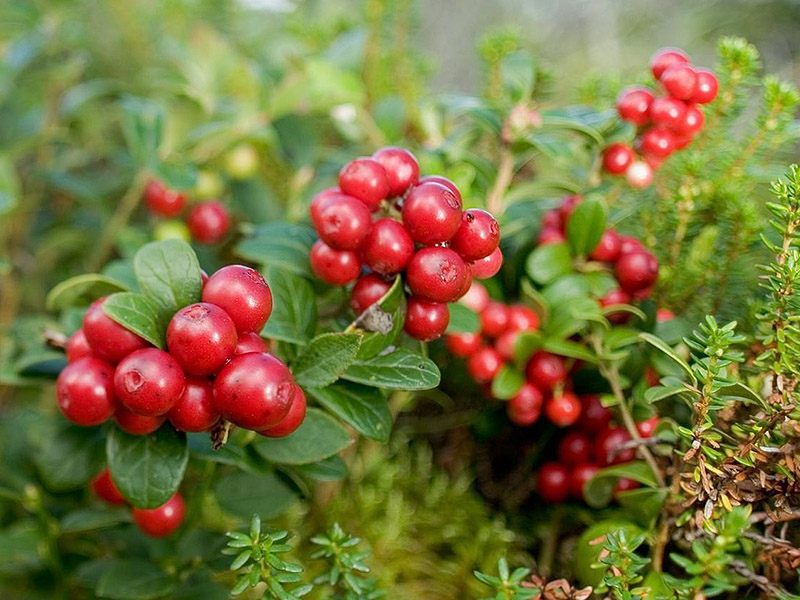
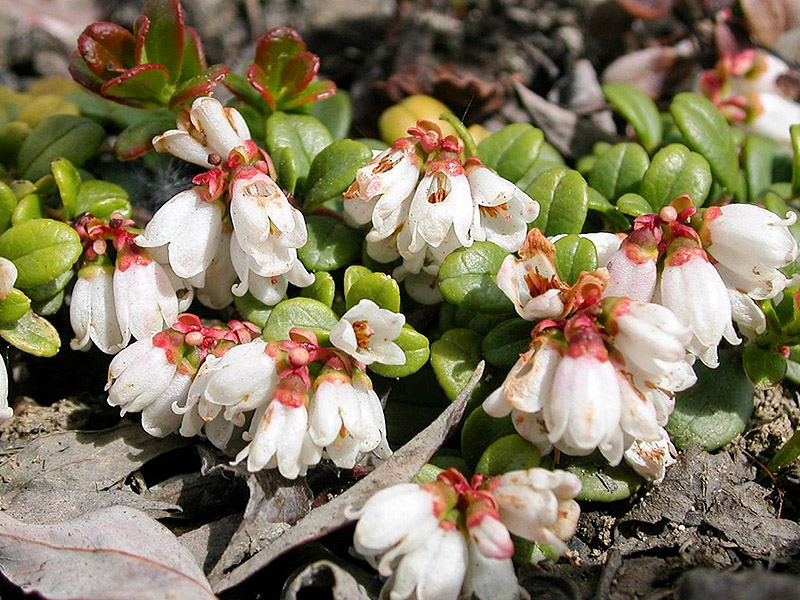
The cranberry (Vaccinium vitis-idaea) is an evergreen shrub that grows in the boreal and cold regions of the Northern Hemisphere and is characterized by its small, red berries. The following is a guide to the growth characteristics, propagation and cultivation methods, garden uses, and major pests and diseases and control methods of the cranberry. Growth Characteristics - Growing Environment: The cranberry thrives in acidic soil and prefers well-drained soil. It can grow well in both sunny and partial shaded areas. - Cold Hardiness: The cranberry is resistant to cold and does not shed its leaves even in winter. - Growth Rate: The growth rate is relatively slow, and mature plants can reach a height of approximately 15–30 cm. Propagation Methods - Seed Propagation: The cranberry can be propagated using seeds, which is a natural method of reproduction. Seeds can be collected from mature berries in the autumn and planted. - Division: Since new shoots grow from the root tips, it is also possible to separate and plant these divisions. - Cuttings: If you cut off a branch in spring or early summer and plant it, it will grow into a new plant. Cultivation Method - Soil Preparation: Acidic soil (pH 4.5–5.5) is suitable, and use well-draining soil. - Planting Time: It is best to plant in spring or autumn. - Watering: Adequate watering is necessary initially, but excessive watering can cause root rot. - Fertilizer: It is recommended to use fertilizers or compost that create an acidic environment. Uses in the Garden- Cranberries are used as ground cover or border plants. - The red berries are aesthetically pleasing and can add a visual focal point to the garden. Major Pests and Control Methods - Diseases: They can be susceptible to fungal diseases; these can be prevented by planting in a well-ventilated location and paying attention to drainage. - Pests: They are generally resistant to pests, but aphids may occur. Appropriate insecticides can be used if necessary. - Control Methods: Environmentally friendly methods include washing pests away with water or using vegetable oil or soap. Based on the information above, we hope you can effectively cultivate and manage cranberries to grow beautiful and healthy plants.
Plant Type
Plant Family
Rhododendron family
Height
10~30cm
Spread
Colors
white, pink
Bloom Period
May~June
Water Needs
commonly
Exposure
semi-shaded area
Freezing Resistance
-40°C
Malbaengi namul
Gypsophila vaccaria
blueberry
Vaccinium uliginosum