English
한국어
English
Español
中文
हिंदी
Home
News
Community
Dictionary
English
한국어
English
Español
中文
हिंदी
View list
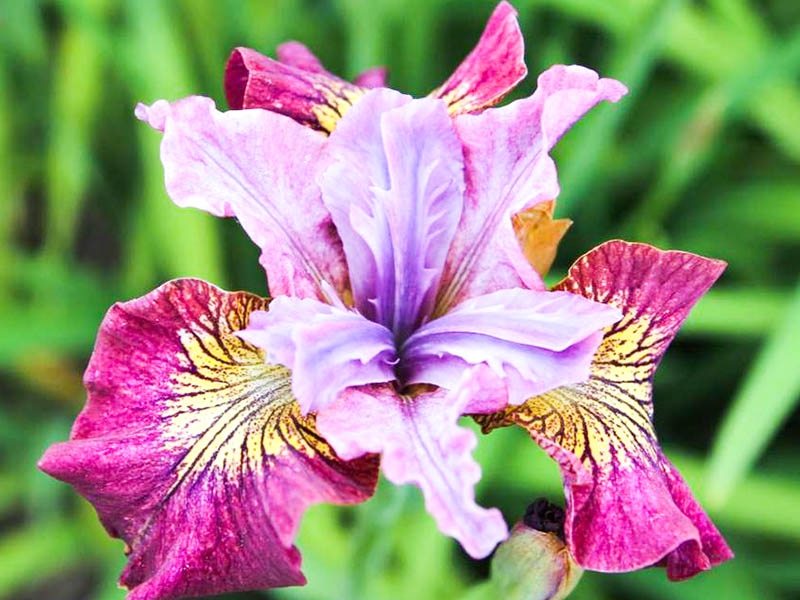
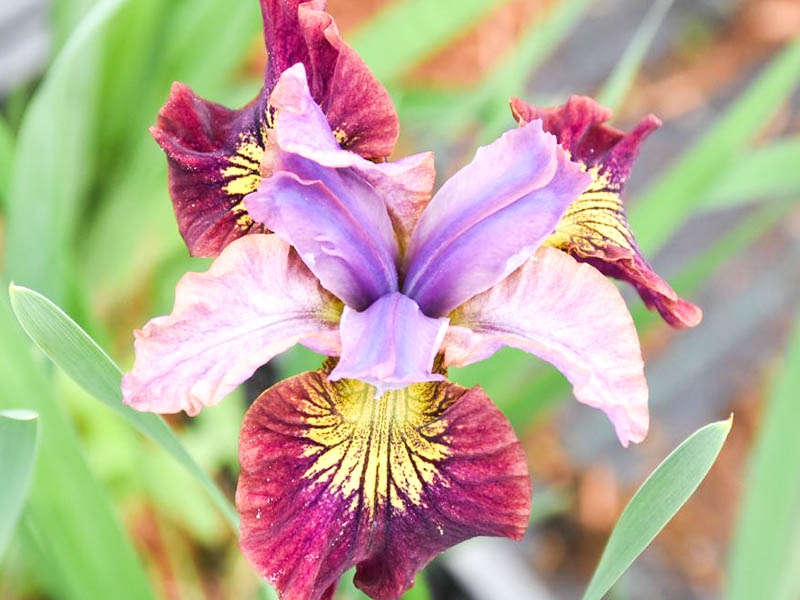
Siberian iris 'Miss Apple'
Iris sibirica
'Miss Apple'
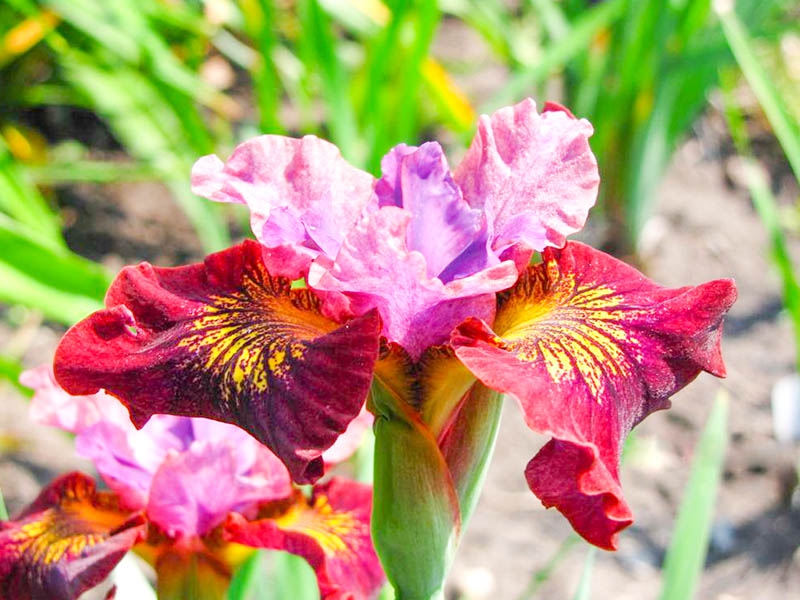
Growth Characteristics The Siberian iris 'Miss Apple' is a perennial herbaceous plant characterized by its beautiful purple flowers. The flowers bloom primarily from late spring to early summer, and the plant reaches a height of approximately 60 to 90 cm. This plant thrives in sunny locations and prefers soil with moderate moisture. Propagation Methods 'Miss Apple' can primarily be propagated by division and seed sowing. Division is usually performed in spring or autumn by separating and planting root clumps, while seeds can be collected from ripe capsules and sown immediately. Cultivation Methods - Soil: Plant in well-draining soil. Soil with a pH of slightly acidic to neutral is ideal. - Watering: Water regularly, but avoid overwatering. Sufficient water supply is required, especially during periods of vigorous growth. - Fertilizer: It is recommended to use slow-release fertilizer in the spring before new shoots emerge. - Pruning: After the flowers have faded, the withered flower stalks must be removed. Uses in the Garden 'Miss Apple' is a suitable plant for garden borders, ponds, and shaded gardens. It blends harmoniously with other perennials and is an excellent centerpiece for flower beds. Important Pests and Control Methods - Diseases: Root rot and leaf mold may occur. Improving drainage and avoiding excessive moisture are fundamental prevention measures. - Pests: Pests such as aphids may appear; contact insecticides can be used for control if necessary. - Control Methods: Organic methods include using a decoction of garlic or chili peppers, or, if pests are prevalent, periodically spraying a mixture of water and vinegar. Through these care methods, you can cultivate 'Miss Apple' in a healthy and beautiful state.
Plant Family
Iris family
Height
75cm
Spread
40cm
Colors
red, pink
Bloom Period
May~June
Water Needs
commonly
Exposure
Sunny
Freezing Resistance
-30°C
Siberian iris 'Papillon'
Iris sibirica
'Papillon'
Siberian iris 'Kablui'
Iris sibirica
'Kabluey'