English
한국어
English
Español
中文
हिंदी
Home
News
Community
Dictionary
English
한국어
English
Español
中文
हिंदी
View list
Gijangdaepul
Isachne globosa
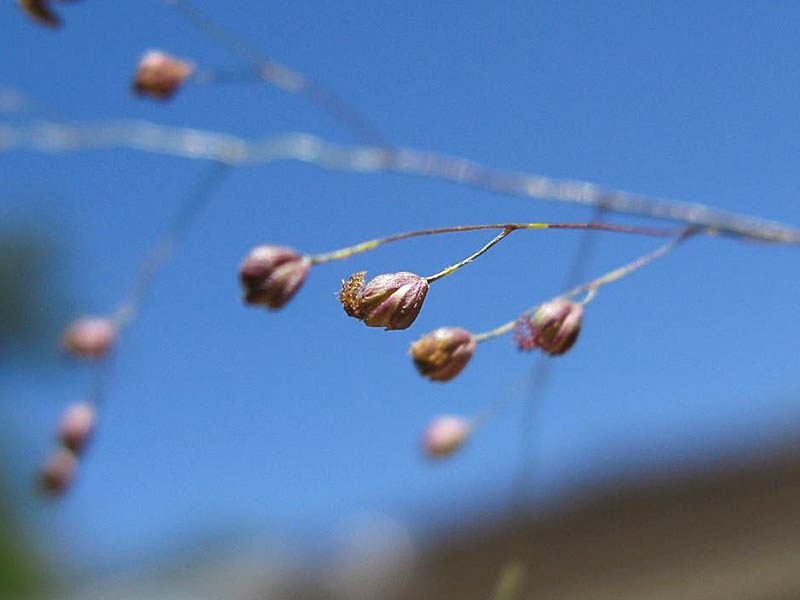
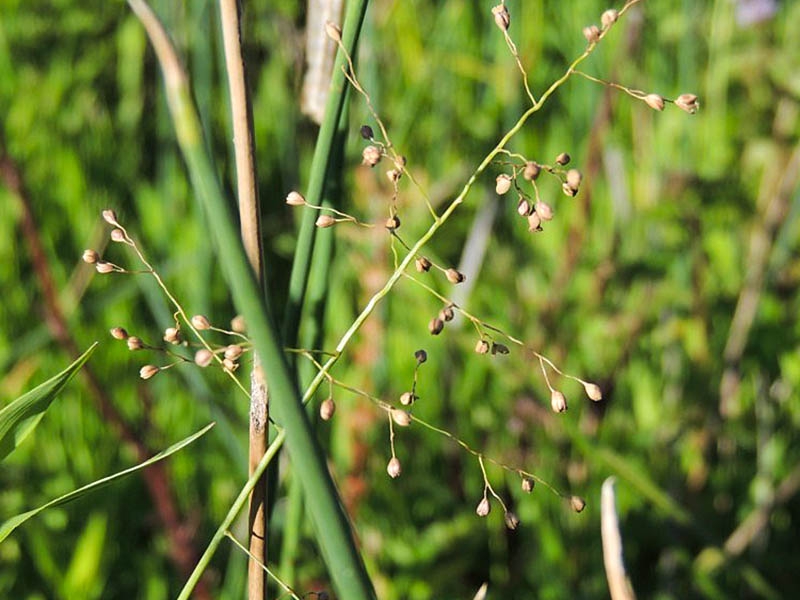
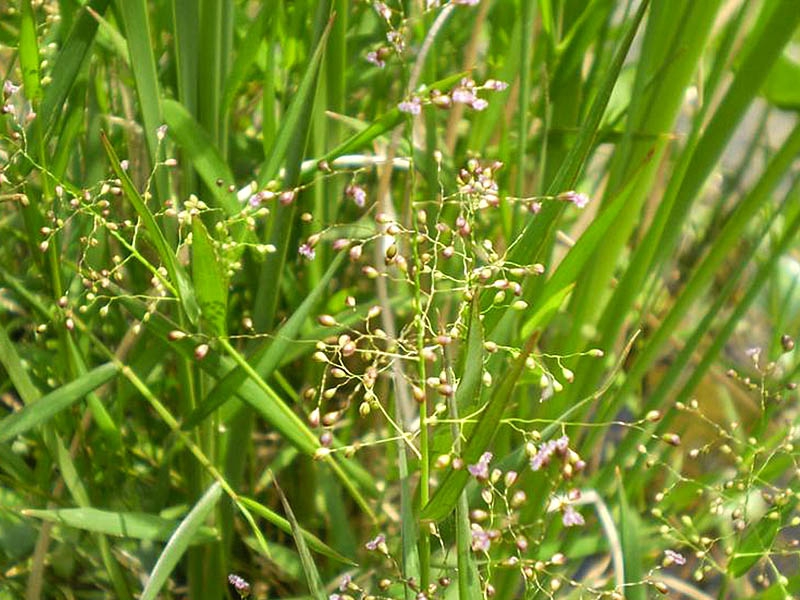
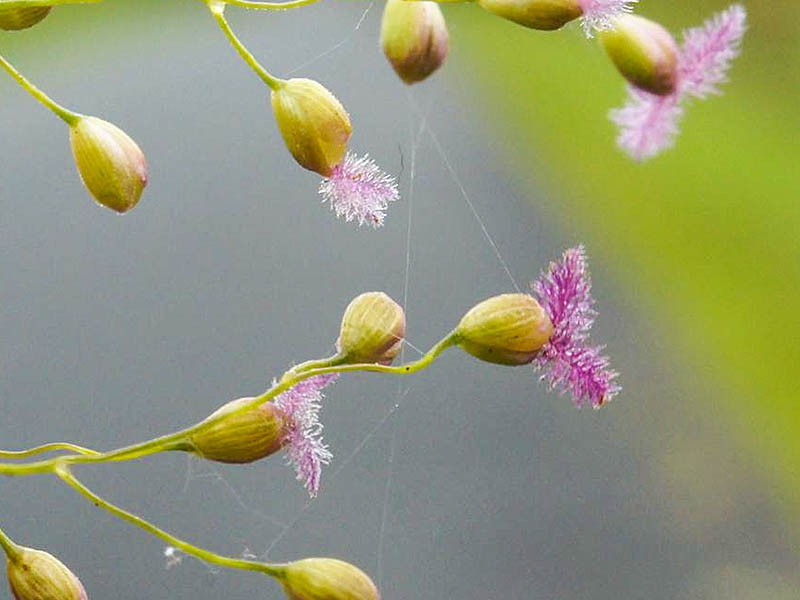
Isachne globosa, also known as Japanese sedge, is a perennial herbaceous plant that grows primarily in wetlands or near water. Its growth characteristics and cultivation methods are as follows: Growth Characteristics - Environment: Isachne globosa thrives in humid environments and is mainly found along streams, swamps, and water's edge. - Soil: It prefers fertile, well-drained soil and has excellent adaptability even to somewhat moist soil. - Sunlight: While it grows well in partial shade, it also thrives in locations with ample sunlight. Propagation Methods - Seed Propagation: It can be propagated by seeds; direct sowing in wet soil germinates well. - Root Division: Propagating by dividing mature roots is also an effective method. Cultivation Methods - Soil Preparation: Prepare well-drained soil rich in organic matter. - Planting: It is best to plant in spring or autumn, maintaining an appropriate spacing (approximately 30 cm or more). 3. Watering: Water thoroughly after planting. Especially during the early growing season, ensure the soil remains moist. - Care: Remove weeds and add fertilizer as needed to promote growth. Uses in Gardens Sorghum is suitable for creating natural gardens and can produce beautiful landscapes, particularly in waterside or wetland gardens. It can also be planted along the edges of ecological ponds to create a natural effect. Important Pests and Control Methods Sorghum is relatively resistant to pests and diseases, but aphids or fungal diseases may rarely occur. - Aphids: Control them using soapy water or consider natural control methods utilizing natural predators. - Fungal Diseases: Remove infected parts and maintain appropriate spacing between plants to ensure good air circulation. Use antimicrobial agents if necessary. Sorghum is relatively easy to care for and is a very useful plant for natural wetland or waterside landscaping.
Plant Family
Poaceae
Height
30∼60cm
Colors
amethyst
Bloom Period
June to August
Water Needs
commonly
Exposure
Sunny
Freezing Resistance
-10°C
prostrate millet
Isachne nipponensis
Daecheong
Isatis tinctoria