English
한국어
English
Español
中文
हिंदी
Home
News
Community
Dictionary
English
한국어
English
Español
中文
हिंदी
View list
Daecheong
Isatis tinctoria
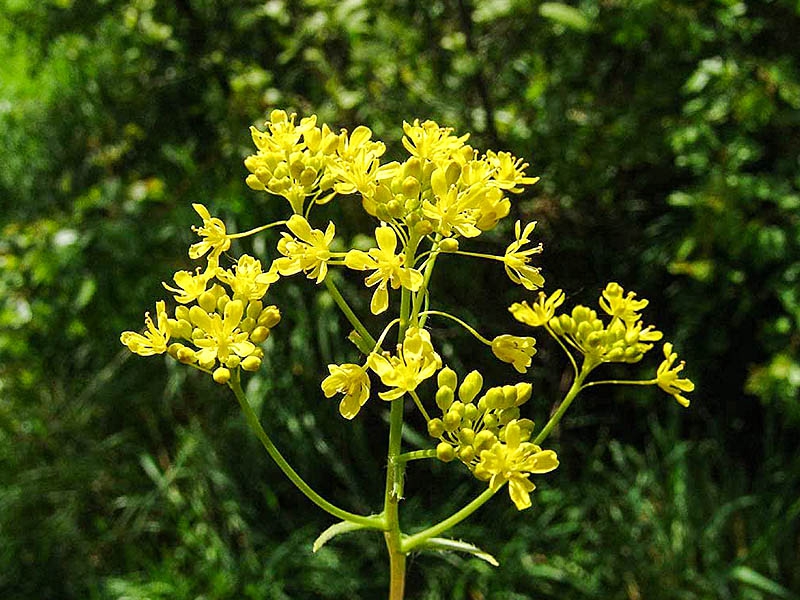
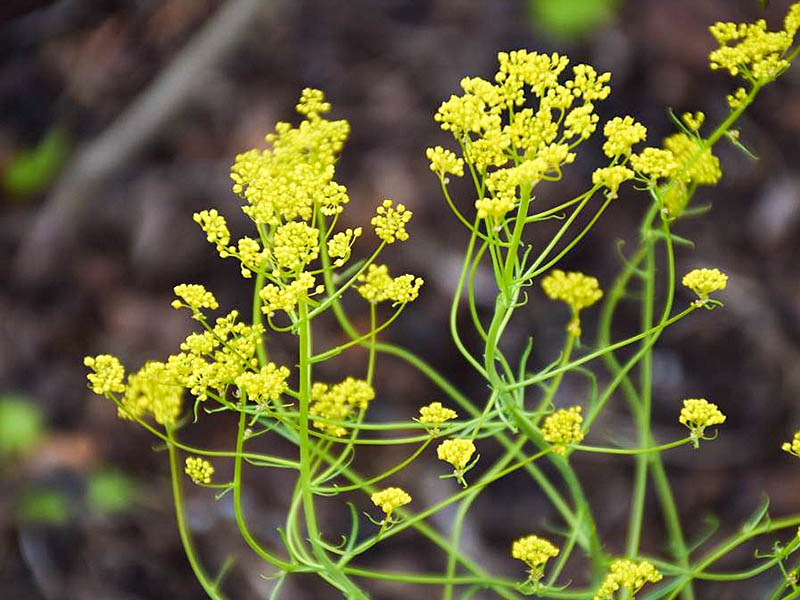
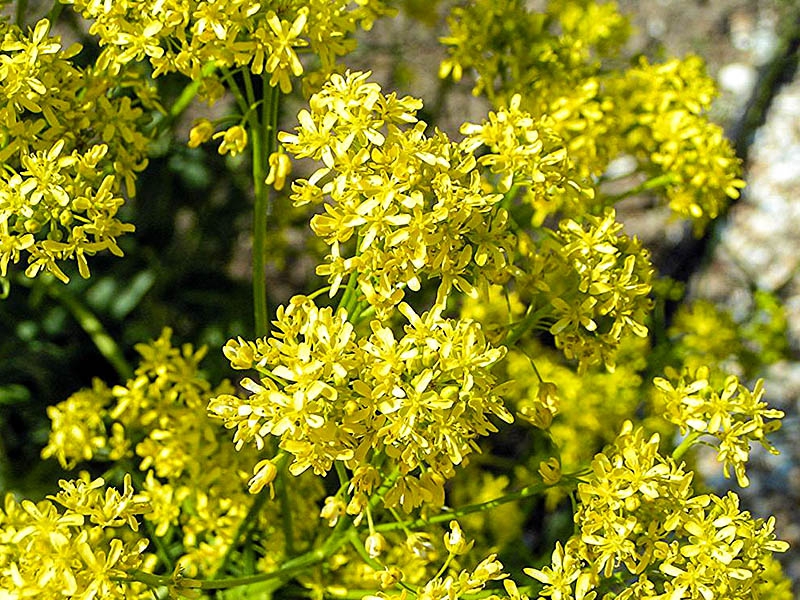
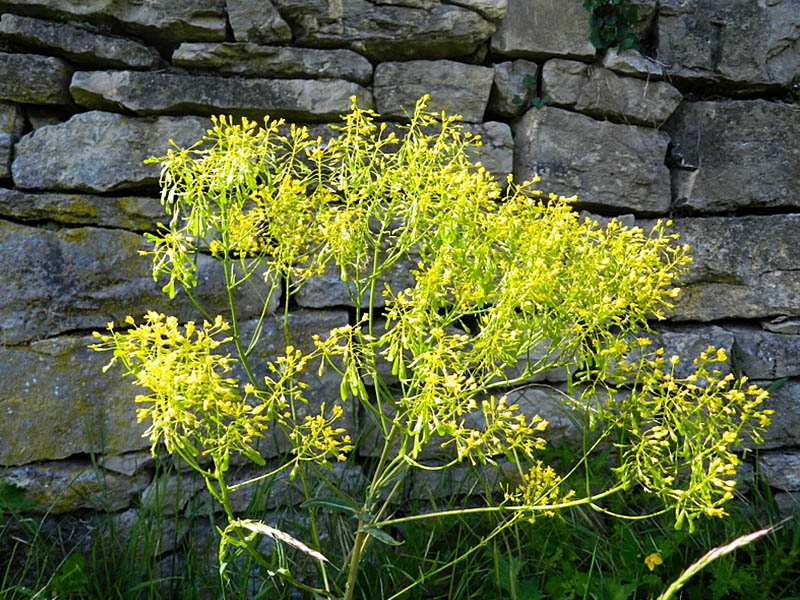
Worm (Isatis tinctoria) is a biennial plant belonging to the Brassicaceae family, primarily used for dyeing. The following is information regarding the growth characteristics, propagation methods, cultivation methods, garden uses, major pests and diseases, and control methods of wort. - Growth Characteristics: - Worm is a sun-loving plant that thrives in dry, well-drained soil. - It grows well during periods of moderate temperature, and grows particularly well in cool climates. - It is generally sown in early spring and is relatively resistant to cold. - Propagation Methods: - It is primarily propagated by seeds. - It can be sown directly in spring or autumn, or grown as seedlings and transplanted. - Seeds usually germinate within one to two weeks. - Cultivation Methods: - It should be grown in well-drained soil, and it is recommended to use organic fertilizers rather than chemical fertilizers. - Water should be provided appropriately, but overwatering should be avoided. - During the growing season, it is important to keep the soil clean and remove weeds. - Uses in the Garden: - While Chinese wort is famous as a dye plant, it can also be used as a border plant in flowerbeds. - Additionally, its beautiful flowers, ranging from orange to golden, make it excellent for ornamental purposes. - Major Pests and Control Methods: - Chinese wort is relatively resistant to pests and diseases; however, if pests occur, pesticide-free organic control should be prioritized. - Aphids or cabbage white butterfly larvae may appear; in such cases, appropriate pesticides should be used, or control methods utilizing natural enemies should be employed. - Regularly inspecting the plants to detect pests and diseases early is the key to effective control. By cultivating and managing Chinese wort based on this information, you can maintain healthy and beautiful plants.
Plant Family
Cruciferae
Height
70cm
Colors
yellow
Bloom Period
May to June
Water Needs
commonly
Exposure
Sunny
Freezing Resistance
-30°C
Gijangdaepul
Isachne globosa
Iron barley
Ischaemum aristatum
var.
glaucum