English
한국어
English
Español
中文
हिंदी
Home
News
Community
Dictionary
English
한국어
English
Español
中文
हिंदी
View list
Duckweed
Isodon excisus
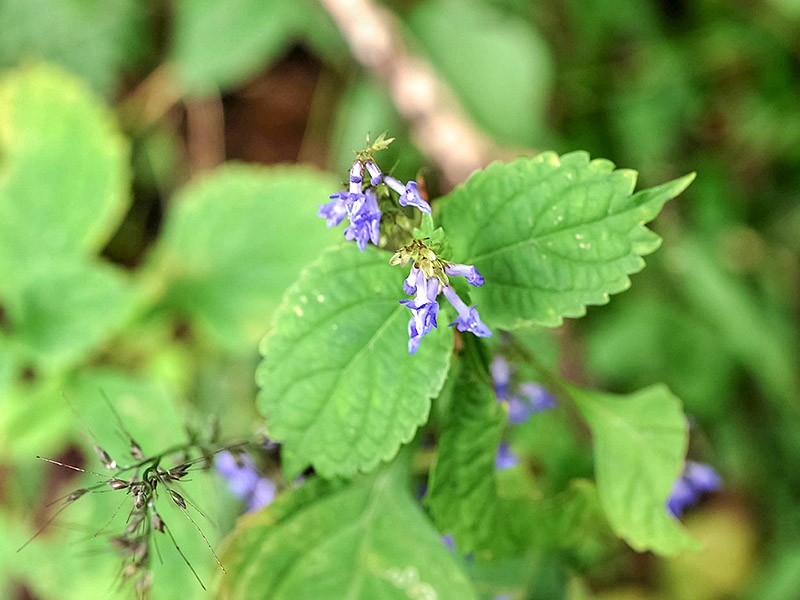
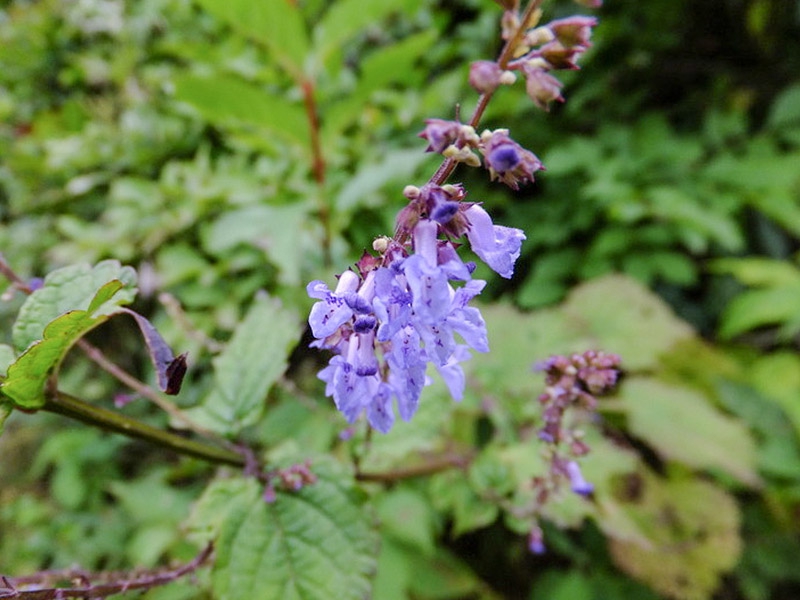
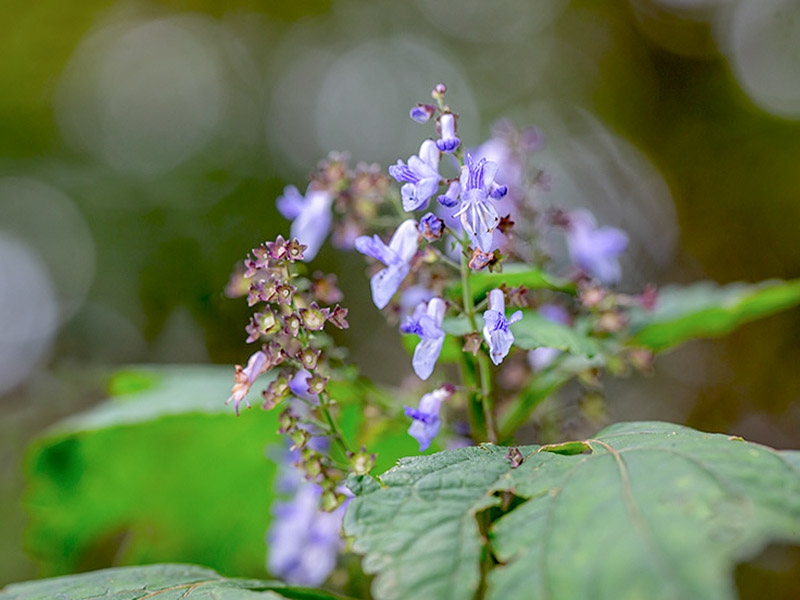
Characteristics and Cultivation Methods of Isodon excisus #Growth Characteristics Isodon excisus is a perennial herbaceous plant belonging to the Lamiaceae family, primarily found in temperate regions of Asia. It typically grows to a height of 30 to 60 cm, with stems that grow upright. The leaves are opposite, long oval-shaped, and characterized by deeply lobed margins. Small purple or violet flowers bloom between summer and autumn, with inflorescences located at the tips of the main stems. #Propagation Methods Isodon excisus is primarily propagated by seeds, but it can also be propagated by root division or stem cuttings. Seeds are sown in spring or autumn; to increase germination rates, it is important to cover the seeds with cotton to maintain a moist environment. Root division can be performed in early spring or late autumn; roots are cut into appropriate sizes while the plant is growing well, divided, and then planted individually. #Cultivation Methods Isodon excisus thrives in well-drained soil and prefers sunny locations. Well-drained soil and an environment with ample sunlight are suitable, and it is recommended to use organic fertilizers rather than artificial ones. It is advisable to water when the surface soil is dry, and it is important to avoid excessive moisture. Even if the above-ground parts dry out and die during the winter, the roots remain alive, so new shoots will emerge in the spring. #Uses in the Garden Duckweed is excellent for planting along the edges of shaded gardens and can create a beautiful landscape by harmonizing with other small flowers nearby. Additionally, since it has a long flowering period, you can enjoy the flowers from summer to autumn, adding a unique focal point to your garden. #Important Pests and Control Methods Duckweed is relatively resistant to pests and diseases, but it can contract powdery mildew, which causes faint spots on the leaves and flowers. In such cases, remove the diseased parts and use a fungicide to control the disease. Aphids may occur as pests; to control them, water the plant properly and apply pesticides immediately when pests are spotted. As an eco-friendly method, aphids can be removed using soapy water. Use the care methods above to grow healthy duckweed and cultivate it beautifully in your garden or flower bed.
Plant Family
Lamiaceae
Height
50~100cm
Colors
Blue, purple, magenta, pink
Bloom Period
June to August
Water Needs
commonly
Exposure
Sunny
Freezing Resistance
-10°C
Wild mint
Isodon inflexus
purple loosestrife
Isodon serra