English
한국어
English
Español
中文
हिंदी
Home
News
Community
Dictionary
English
한국어
English
Español
中文
हिंदी
View list
Moss subdiversiforme
Isothecium subdiversiforme
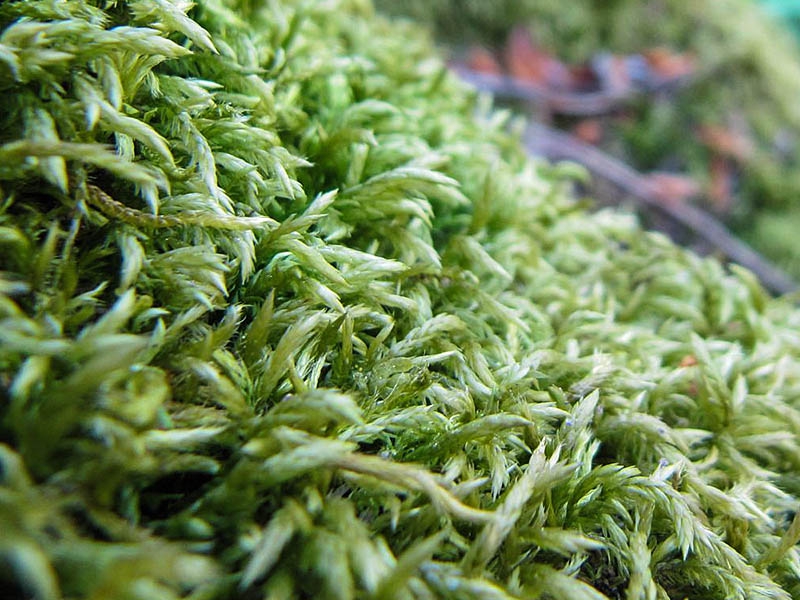
Isothecium subdiversiforme is a type of moss that prefers moist environments and thrives primarily in shady, humid places. The following is information regarding the growth characteristics, propagation methods, cultivation methods, garden uses, and major pests and control methods of Isothecium subdiversiforme. Growth Characteristics - Environment: It prefers moisture and shade and grows well in moderate temperatures that are neither extremely high nor low. - Soil: It grows well in well-drained soil and prefers acidic soil. - Moisture: Maintaining high humidity is important, and it struggles to grow in dry environments. Propagation Methods - Spores: Due to the nature of mosses, it proliferates significantly through spore reproduction. Spores are dispersed by wind or water and germinate in new locations. - Vegetative Propagation: It can also reproduce by shedding parts of the parent plant. Cultivation Methods - Temperature Management: It must be protected from extreme temperatures, and additional water supply is required, especially during dry periods. - Location: A shady and humid location is ideal. - Moisture Management: Regular watering is required to maintain moisture. Uses in the Garden - Ornamental: Suitable for decoration on lawns, rocks, tree trunks, etc. - Ground Cover: Useful for preventing soil erosion and improving aesthetics. Important Pests and Control Methods - Pests and Diseases: Generally resistant to pests and diseases, but susceptible to attacks by aphids or snails. - Control Methods: Physical removal or biological control methods are used. Caution is required when using chemical methods, as they can harm the moss's ecology. Please refer to the information above to efficiently manage and utilize the moss Sube di Versiforme.
Plant Family
Tiger-tailed moss family
Height
5cm
Colors
sporophyte
Water Needs
commonly
Exposure
shade
Freezing Resistance
-20°C
Manchurian anemone
Isopyrum mandshuricum
Hakodense moss
Isothecium hakkodense