English
한국어
English
Español
中文
हिंदी
Home
News
Community
Dictionary
English
한국어
English
Español
中文
हिंदी
View list
Hakodense moss
Isothecium hakkodense
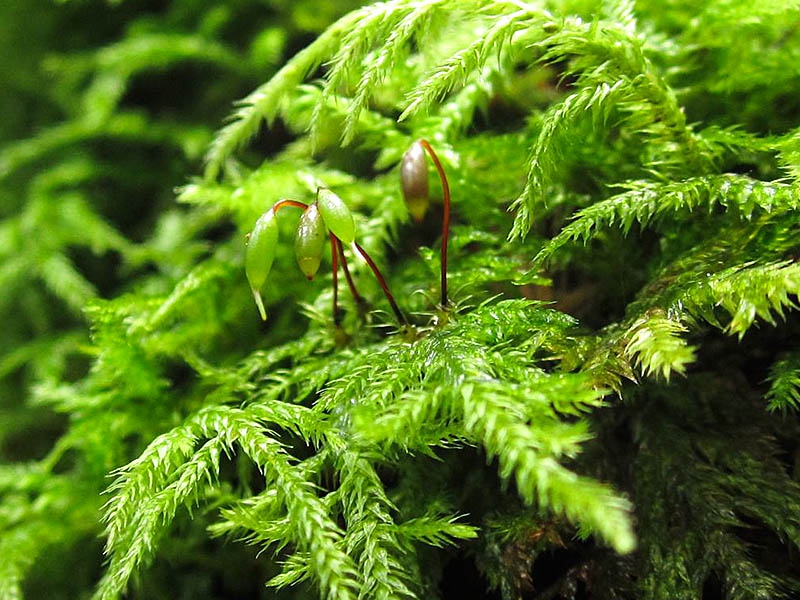
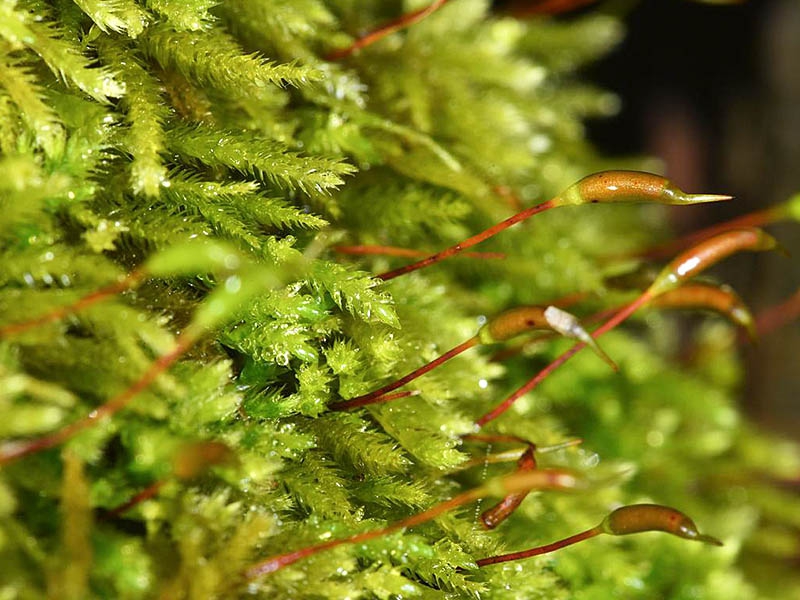
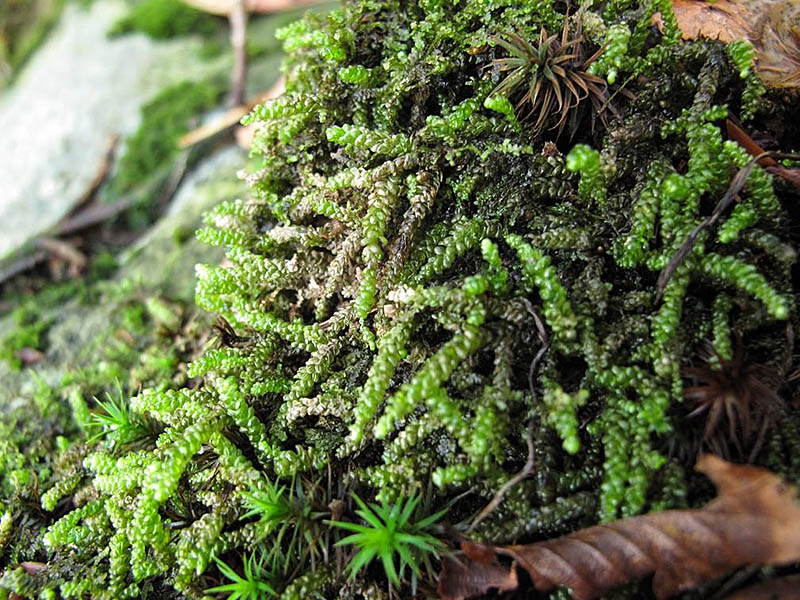
Isothecium hakkodense is a moss that grows primarily in the temperate regions of the Northern Hemisphere and prefers humid, shady environments. Growth Characteristics - Environment: This plant thrives in moisture and shade, growing attached to various surfaces such as rocks, tree trunks, and the ground. - Temperature: It prefers mild temperatures and should avoid extreme heat or cold. Propagation Methods - Spore Propagation: Mosses primarily reproduce through spores. Spores are released from small capsules and dispersed by the wind. - Stripping: Some mosses can also be propagated by cutting or stripping them and transplanting them to a new location. Cultivation Methods - Location: A location with plenty of shade and good moisture retention is suitable. - Soil: Mosses do not require special soil, but well-drained soil rich in organic matter is ideal. - Watering: It is important to maintain moisture by watering frequently. Use in the Garden - Decorative Element: It has aesthetic value in gardens or rock gardens and provides a natural feel. - Ground Cover: It can fill empty spaces between other plants to suppress weed growth. Important Pests and Control Methods - Pests and Diseases: Moss is generally resistant to pests and diseases, but some pests, such as mites or snails, can cause problems. - Control: - Environmental Management: Suppress pest infestations through humidity control and ventilation management. - Physical Control: If pests appear, they can be removed by hand or treated with soapy water or organic sprays. Hakodense moss is relatively easy to care for, and given the right environment, it has high decorative value and can be utilized in various ways in the garden.
Plant Family
Tiger-tailed moss family
Height
5cm
Colors
sporophyte
Water Needs
commonly
Exposure
shade
Freezing Resistance
-20°C
Moss subdiversiforme
Isothecium subdiversiforme
Moss Kymbipolium lindb
Isothecium cymbifolium
Lindb