English
한국어
English
Español
中文
हिंदी
Home
News
Community
Dictionary
English
한국어
English
Español
中文
हिंदी
View list
Moss Kymbipolium lindb
Isothecium cymbifolium
Lindb
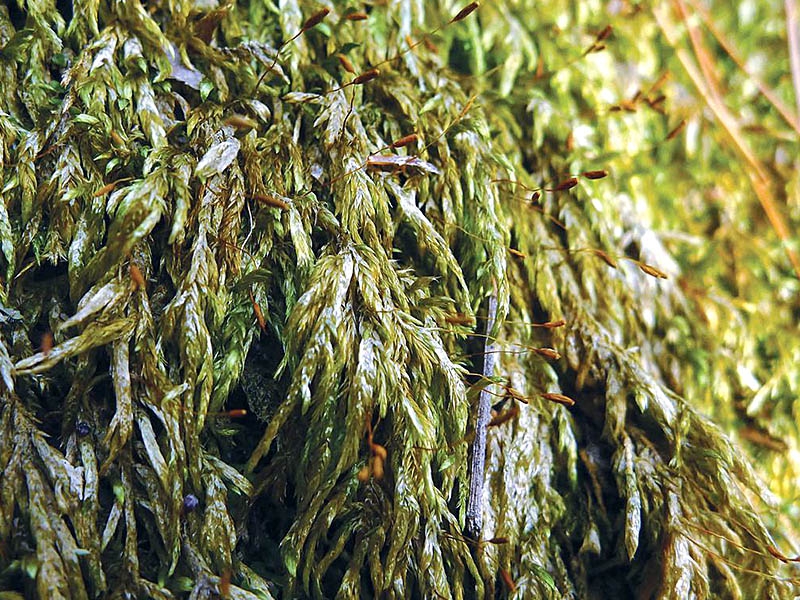
Isothecium cymbifolium Lindb is a moss that grows primarily in humid environments and possesses the following characteristics: Growth Characteristics - Growing Environment: This species frequently inhabits moist forests, specifically on tree trunks or rocks. - Sunlight: It prefers indirect sunlight, and it is best to avoid strong, direct sunlight. - Soil: Similar to ferns, it thrives in slightly acidic soil. Propagation Method Mosses reproduce by spores. Spores germinate better in humid environments, and in natural conditions, they are dispersed by wind. Cultivation Method - Container Selection: Use a well-draining pot. - Potting Medium: Prepare a potting medium by mixing leaf mold with a small amount of sand. - Watering: Water sufficiently, but be careful not to overwater. Maintain humidity periodically using a spray bottle. 4. Location: Place in a semi-shaded area to ensure it receives ample indirect light. Uses in the Garden - Ornamental: Ideal for decorating damp areas and provides a natural feel. - Border Plant: Can be used to naturally define garden boundaries. Important Pests and Control Methods - Diseases: Overwatering can cause leaf rot or mold problems. Pay attention to drainage. - Pests: While moss is generally resistant to pests, there is a possibility of aphids or small insects approaching, so observe regularly. - Control Methods: Naturally, clean the surface of the moss with water, and if necessary, wash with soapy water to remove insects. You can grow Isothecium kimbifolium lindb healthy through proper care and environmental management.
Plant Family
Tiger-tailed moss family
Height
2~2.5cm
Colors
sporophyte
Water Needs
commonly
Exposure
shade
Freezing Resistance
-20°C
Hakodense moss
Isothecium hakkodense
Itea Virginica Little Henry
Itea virginica
Little Henry