English
한국어
English
Español
中文
हिंदी
Home
News
Community
Dictionary
English
한국어
English
Español
中文
हिंदी
View list
Itea Birginica
Itea virginica
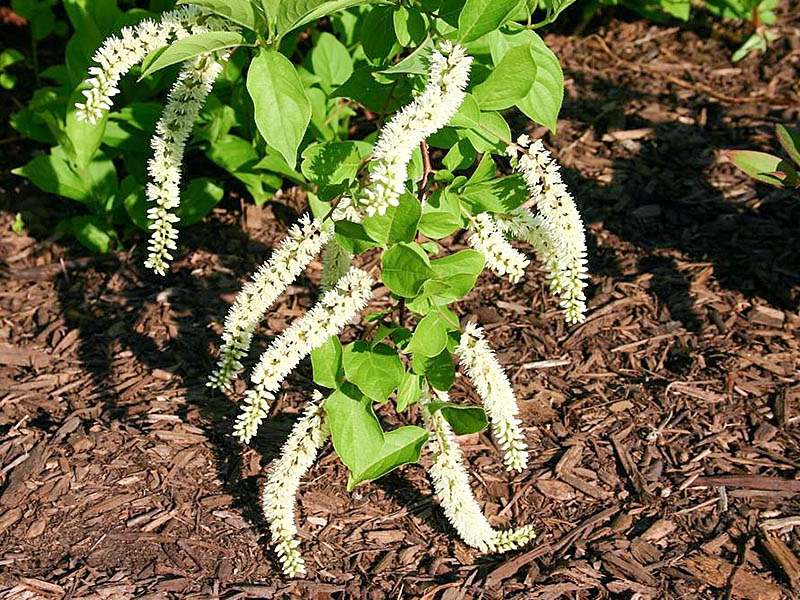
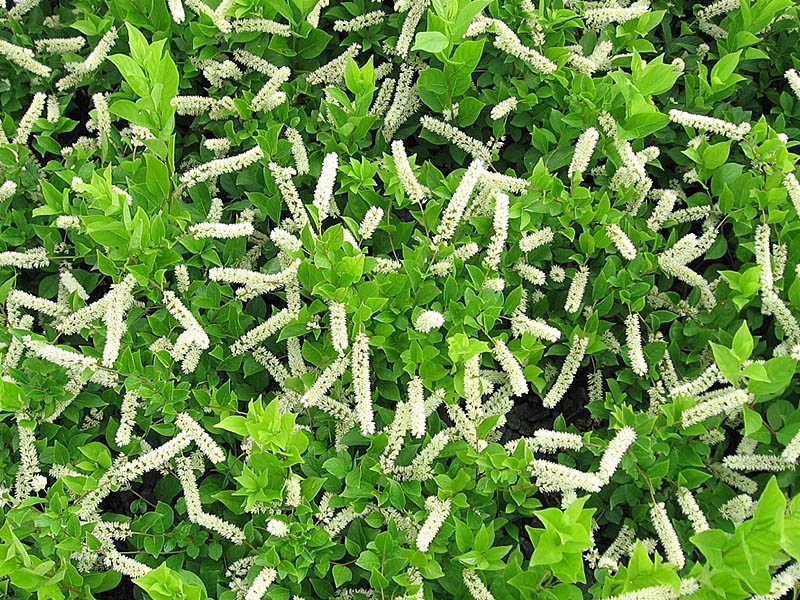
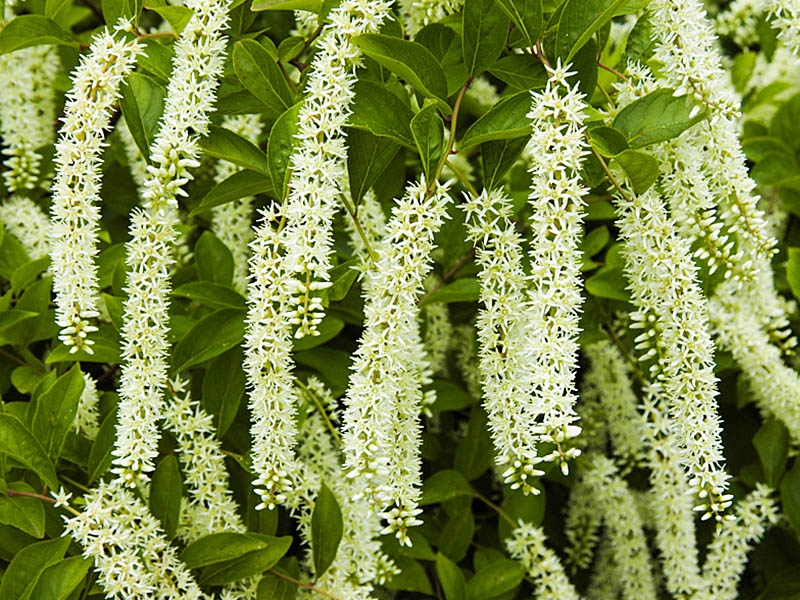
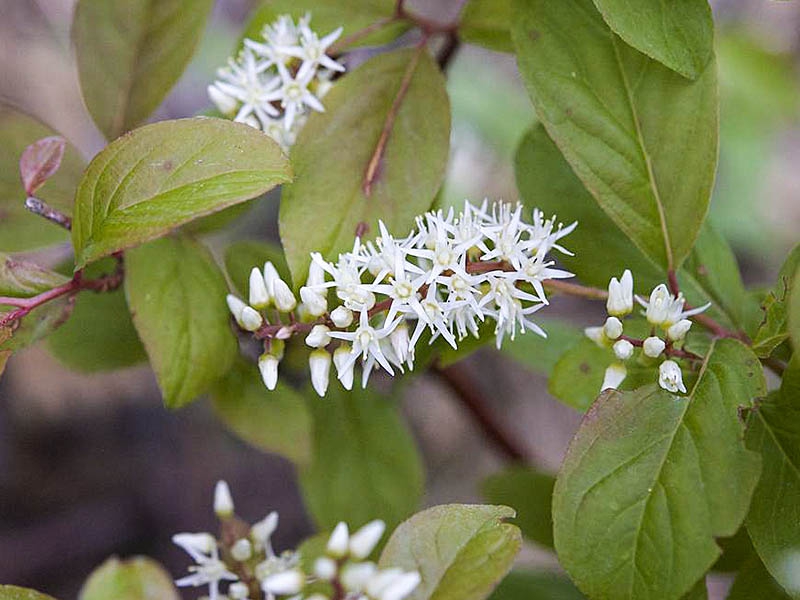
Itea virginica #Growth Characteristics Itea virginica is a deciduous shrub native primarily to eastern North America. It generally grows to a height of 1 to 2 meters and has a spreading habit. In summer, small, drooping white flowers bloom, and in autumn, they turn into beautiful red or orange foliage. It prefers moist, fertile soil and thrives in locations ranging from partial shade to full sun. #Propagation Methods Itea virginica is primarily propagated by seeds or cuttings. When propagating by seeds, collect mature seeds in the autumn and sow them directly, or germinate them indoors in the spring before transplanting. For cuttings, it is common to propagate using semi-hardy branches during the summer. #Cultivation Methods - Soil Preparation: Prepare fertile, well-drained soil. It is recommended to maintain the pH at a slightly acidic to neutral level. 2. Planting Time: Early spring or autumn is appropriate. Ensure there is sufficient space for the roots to establish themselves well. - Watering: Water regularly for the first few years to allow the roots to take deep root. Regular watering is especially necessary during the dry summer months. - Fertilization: Using slow-release fertilizer in the spring helps with plant growth and flower production. - Pruning: Prune as needed to control the shape and size of the plant. It is best to prune after flowering. #Uses in the Garden Itea virginica is primarily used for border planting, hedges, or creating autumn landscapes. The shrub's colorful foliage and fragrant flowers add beauty and scent to the garden. It is also suitable for wetland gardens or waterside landscaping. #Important Pests and Control Methods Itea virginica is relatively resistant to pests and diseases, but attention should be paid to specific pests and diseases. - Diseases: Problems such as fungal diseases may occur, which can be prevented by ensuring good ventilation and drainage. - Pests: Aphids or scale insects may appear, which can be controlled by using timely, harmless insecticides. Additionally, regular observation and maintaining cleanliness are important to prevent pests from appearing. With proper care and careful observation, Itea virginica can beautifully adorn your garden.
Plant Family
Escaloniaceae
Height
1~3m
Spread
1~3m
Colors
white
Bloom Period
April to June
Water Needs
commonly
Exposure
semi-shaded area
Freezing Resistance
-30°C
Itea Virginica Little Henry
Itea virginica
Little Henry
Itea 'Merlot'
Itea virginica
'Merlot'