English
한국어
English
Español
中文
हिंदी
Home
News
Community
Dictionary
English
한국어
English
Español
中文
हिंदी
View list
bee dandelion
Ixeris polycephala
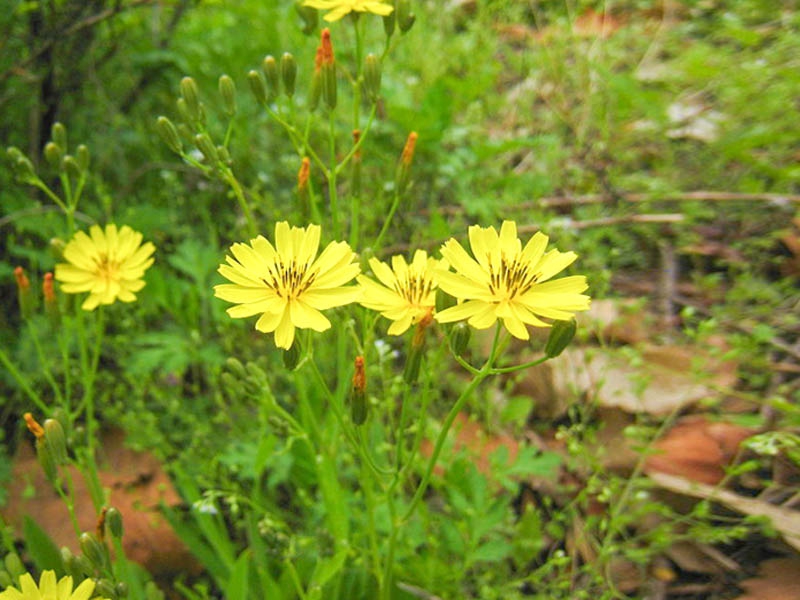
Ixeris polycephala is a perennial herb native primarily to Asia and thrives in moist environments. This plant grows to a height of approximately 30 to 60 cm and is characterized by its yellow flowers. Growth Characteristics - Light Requirements: It grows well in partial shade, and direct sunlight should be avoided. - Temperature: It prefers warm temperatures but can tolerate winter temperatures. - Soil: It thrives in well-drained soil. It prefers slightly moist soil. Propagation Methods - Seed Propagation: It can be propagated by sowing seeds in spring or autumn. - Root Division: Propagating by dividing mature plants by the roots is also an effective method. Cultivation Methods - Soil Preparation: Prepare well-drained soil by adding organic matter. - Planting: Plant in spring or autumn and water thoroughly after planting. - Watering: Water thoroughly when the surface soil dries out. 4. Fertilization: During the growing season, dilute liquid fertilizer once a month. Uses in the Garden - It can be used as a border plant, and its yellow flowers add a vibrant touch to the garden. Important Pests and Control Methods - Diseases: Leaf mold may occur occasionally. To prevent this, adjust watering schedules and ensure good ventilation. - Pests: Aphids can be a problem. Wash them off with eco-friendly soap or water, and consider using insecticides if necessary. Polycephala (Solaria pilosa) is a relatively easy-to-care-for plant that can add a natural aesthetic to your garden. However, be careful of overwatering; with proper propagation and care, it can grow healthily.
Plant Family
Asteraceae
Height
15~50cm
Colors
yellow
Bloom Period
May to July
Water Needs
commonly
Exposure
Sunny
Freezing Resistance
-15°C
Sea dandelion
Ixeris repens
White bittercress
Ixeris dentatum
subsp.
nipponicum
var.
albiflorum