English
한국어
English
Español
中文
हिंदी
Home
News
Community
Dictionary
English
한국어
English
Español
中文
हिंदी
View list
White bittercress
Ixeris dentatum
subsp.
nipponicum
var.
albiflorum
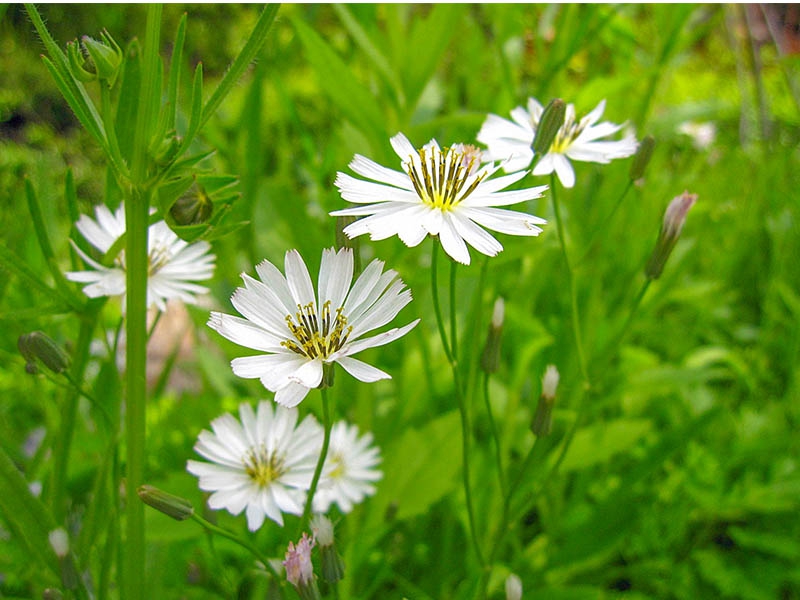
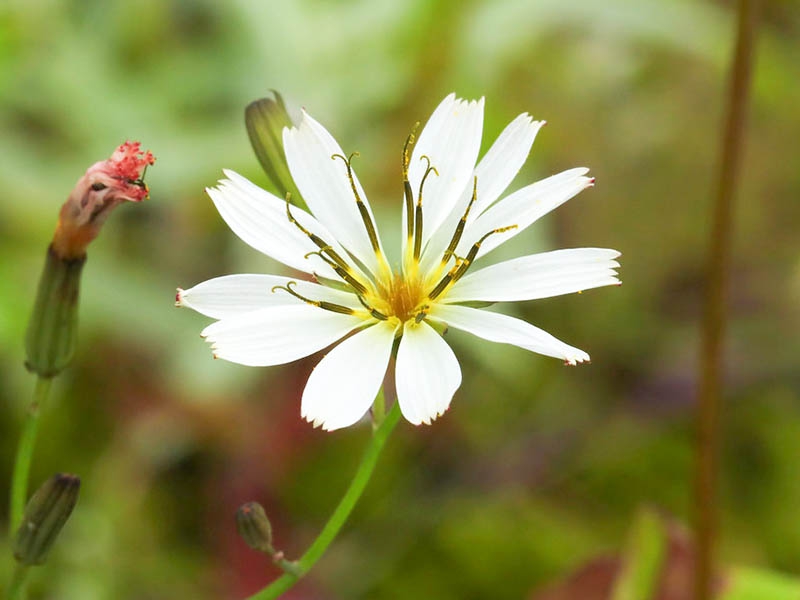
I will explain the growth characteristics, propagation methods, cultivation methods, garden uses, and major pests and diseases and control methods of Ixeris dentata (var. albiflora). Growth Characteristics Ixeris dentata is a perennial plant that grows wild mainly in mountainous areas, reaching a height of approximately 30 to 60 cm. The leaves are broad near the roots and have serrated edges. It produces small, white flowers that bloom primarily during the summer. While it adapts well to shade, it also thrives in full sun. Propagation Methods It can be propagated by seeds or by root division. Seeds can be harvested in the autumn and sown directly, or sown in early spring. Root division is a method of propagation where roots are divided and planted between late winter and early spring. Cultivation Methods Ixeris dentata prefers well-drained and well-ventilated soil. It is recommended to add sufficient organic matter before planting. Water intermittently, ensuring the soil does not dry out, but avoid overwatering. Applying fertilizer every spring can promote growth. Uses in the GardenWhite sowthistle is popular as an ornamental plant due to its white flowers and unique leaf shape. Additionally, since it thrives in shade, it is excellent for use as a ground cover in shady gardens. Important Pests and Control Methods White sowthistle is relatively resistant to pests and diseases, but it can occasionally be affected by aphids or powdery mildew. Aphids can be easily removed using soapy water or alcohol. Powdery mildew can be controlled by wiping it off with hydrogen peroxide water in the early stages of infestation, or by spraying appropriate pesticides in severe cases. To grow white sowthistle healthily, proper care in an appropriate environment is the most important factor.
Plant Family
Asteraceae
Height
40~70cm
Colors
white
Bloom Period
May to July
Water Needs
commonly
Exposure
Sunny
Freezing Resistance
-15°C
bee dandelion
Ixeris polycephala
Ixeris
Ixeridium dentatum