English
한국어
English
Español
中文
हिंदी
Home
News
Community
Dictionary
English
한국어
English
Español
中文
हिंदी
View list
Diphylla
Jeffersonia diphylla
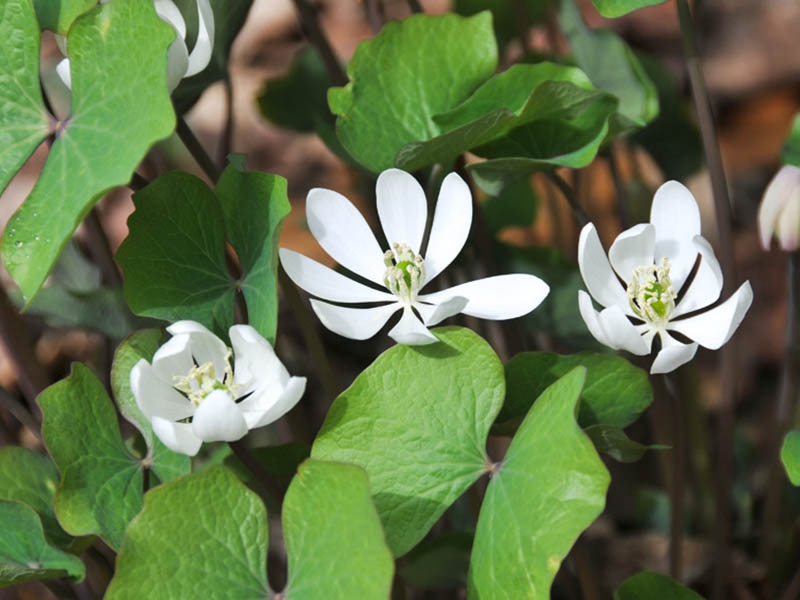
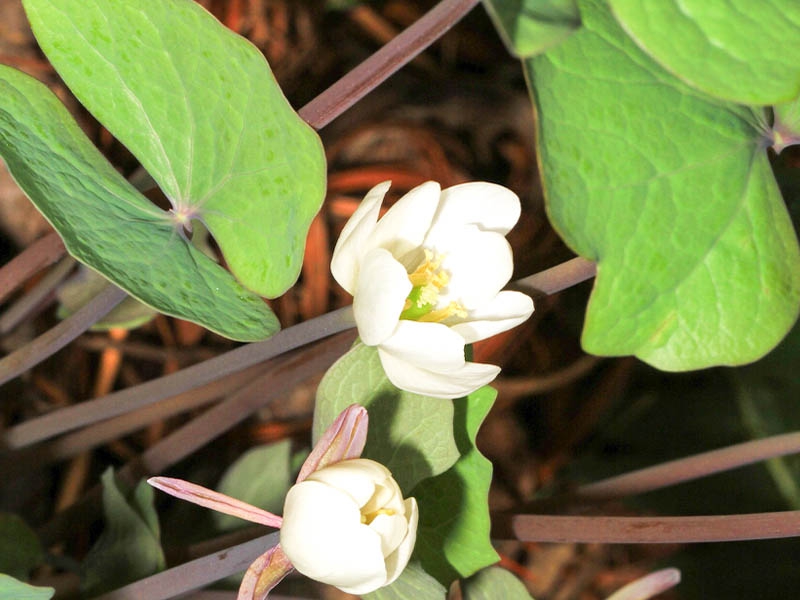
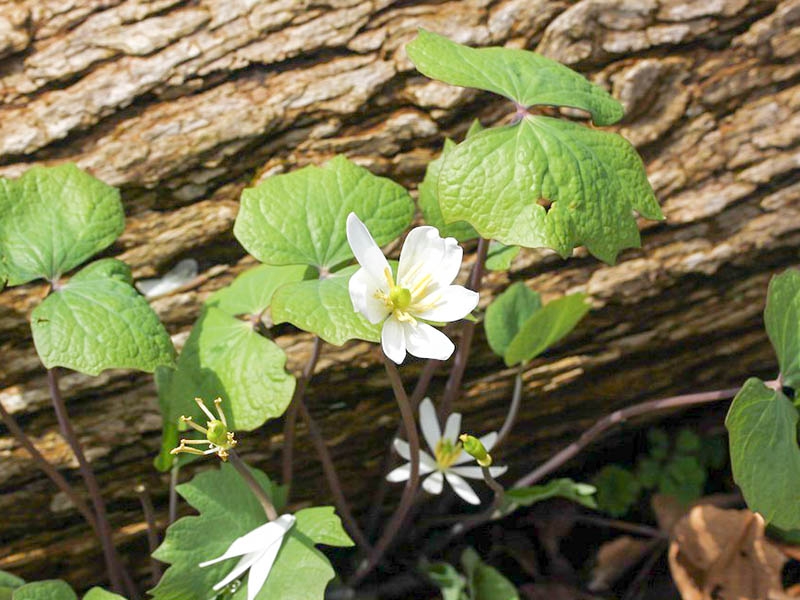
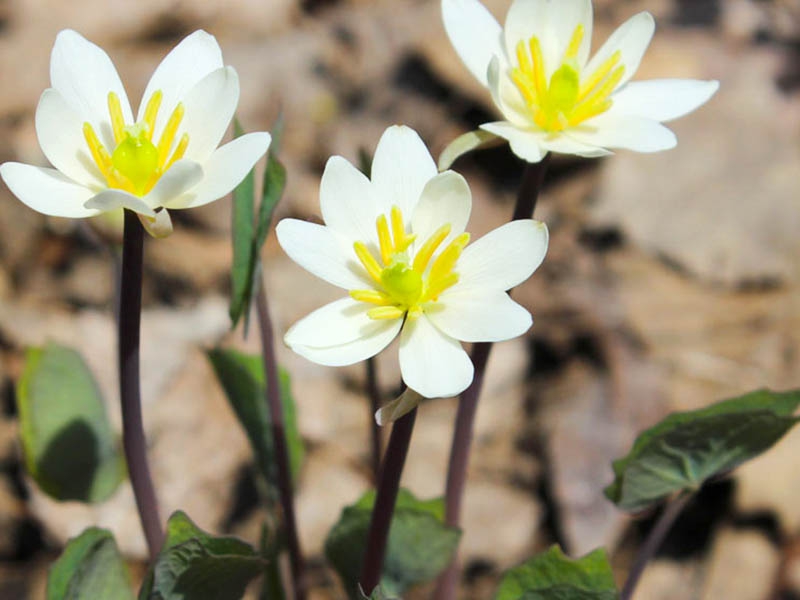
Jeffersonia diphylla is a plant rarely seen in Korea and is native primarily to forests in North America. This plant thrives in shady areas and grows particularly well in humus soil containing a layer of dry fallen leaves. Growth Characteristics - Light: It prefers partial shade and should avoid strong, direct sunlight. - Soil: It prefers well-drained soil rich in organic matter. - Moisture: Maintaining average moisture levels is important. Propagation Methods - Seeds: It can be propagated by seeds. Seeds should be sown immediately after maturation for easy germination. - Root Division: It can be easily propagated by root division, with spring or autumn being the optimal seasons. Cultivation Methods - Soil Preparation: Prepare the soil by mixing in organic fertilizer. - Planting: Plant in late spring or early summer, at a depth of 2–3 cm. 3. Care: Ensure the soil does not dry out, and maintain soil moisture through weed removal and mulching. Uses in the Garden - Suitable for planting in shaded gardens or under trees. - Can be arranged harmoniously with other shade plants to create a natural-looking garden. Important Pests and Control Methods - Diseases: Fungal diseases such as root rot may occur; proper drainage management is important to prevent this. - Pests: Damage from insects or aphids is not significant, but it is recommended to remove them if they appear. - Control Methods: Observe the plant periodically and use appropriate insecticides or fungicides if any abnormalities are observed. Although Cypripedium diphyllum grows well in nature without special care, it can thrive in cultivation by referring to the information above and providing an appropriate environment.
Plant Family
Berberidaceae
Height
20~60cm
Spread
20~60cm
Colors
white
Bloom Period
March to May
Water Needs
commonly
Exposure
semi-shaded area
Freezing Resistance
-30°C
Korean bellflower
Jeffersonia dubia
Jordania Dubia
Jordaaniella dubia