English
한국어
English
Español
中文
हिंदी
Home
News
Community
Dictionary
English
한국어
English
Español
中文
हिंदी
View list
black walnut tree
Juglans nigra
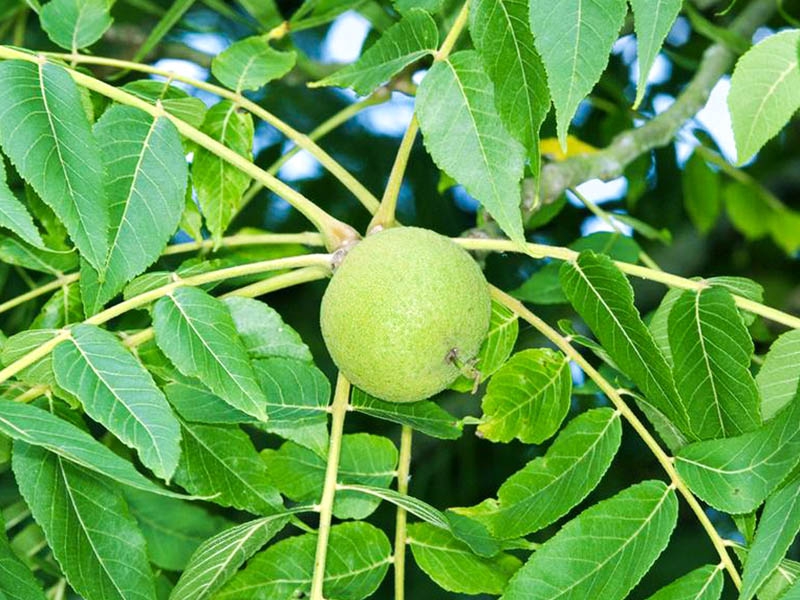
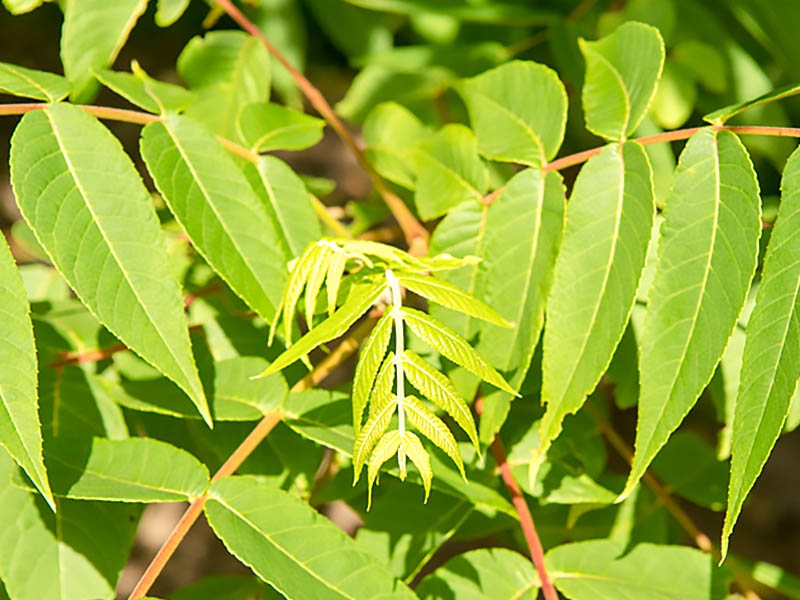
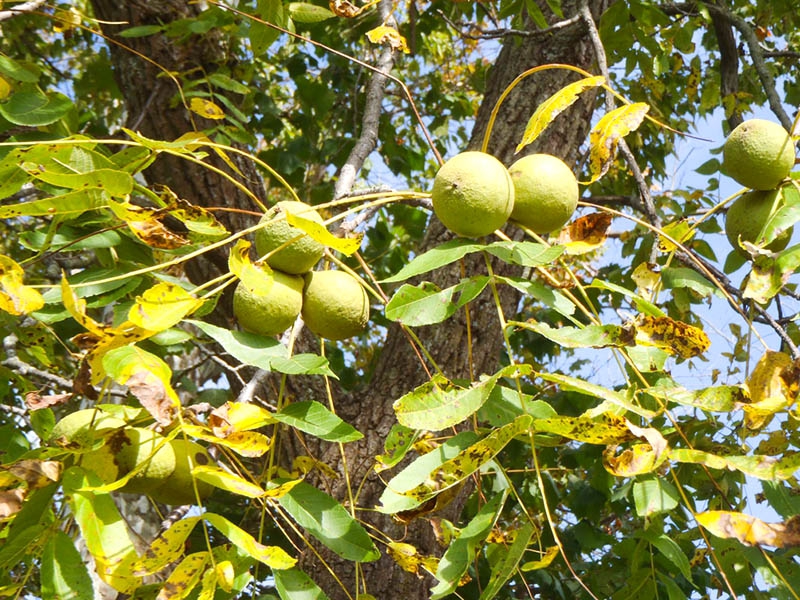
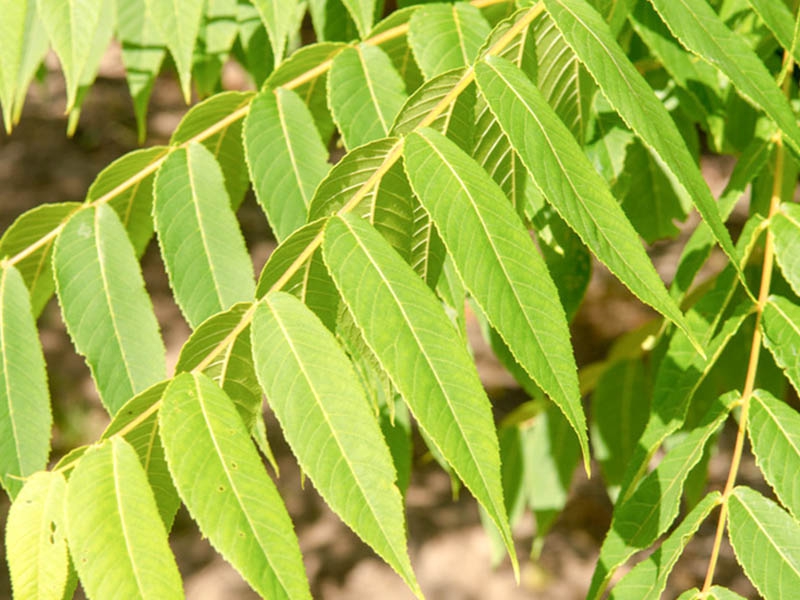
The black walnut (Juglans nigra) is a deciduous tree native to North America. It possesses the following characteristics regarding growth, propagation, cultivation, garden use, major pests and diseases, and control methods. Growth Characteristics - Height: Mature trees can grow up to approximately 30–40 meters. - Bark: It is named the black walnut due to its dark, coarse bark. - Leaves: They are long, irregularly pinnately compound leaves composed of 10–24 leaflets. - Environment: It prefers sunny locations and well-drained soil. It has excellent cold and drought tolerance, allowing it to grow in a relatively diverse range of climates. Propagation Black walnuts are primarily propagated by seeds. Seeds can be sown directly, or dormancy can be broken and germination promoted through a period of cold treatment. While the seed germination rate is relatively low, using fresh seeds increases the success rate. Cultivation Methods - Soil Management: Well-drained soil is essential, and the tree thrives in fertile soil rich in organic matter. - Watering: Sufficient water supply is required during the early growth stages; however, once the tree matures, it becomes highly drought-tolerant and requires minimal water management. - Fertilizer: During the early stages of growth, an appropriate supply of fertilizer, primarily nitrogen, is necessary. Uses in Gardens Due to its large and majestic form, the black walnut tree is suitable as a landscape tree and can be used as an outdoor resting place by providing ample shade. However, caution is required when planting, as black walnut trees may secrete substances that inhibit the growth of surrounding plants. Major Pests and Control Methods - Walnut Beetle: This is a pest that feeds on the bark and seeds; the use of appropriate insecticides is required. - Root Rot (Fungi such as Fusarium spp.): This can occur in poorly drained soil; improving soil drainage and maintaining hygienic cultivation practices are crucial for prevention. - Maintenance: Minimize the occurrence of pests and diseases through regular inspection and pruning. As a large tree that provides shade, the black walnut is valuable for gardens and landscaping, and can be efficiently maintained through proper care and propagation.
Plant Family
Juglandaceae
Height
21~30m
Spread
21~30m
Colors
green
Bloom Period
April to August
Water Needs
commonly
Exposure
Sunny
Freezing Resistance
-30°C
alder tree
Juglans cordiformis
Gilgolpul
Juncus tenuis