English
한국어
English
Español
中文
हिंदी
Home
News
Community
Dictionary
English
한국어
English
Español
中文
हिंदी
View list
Daetaek hairpin rush
Juncus stygius
subsp.
americanus
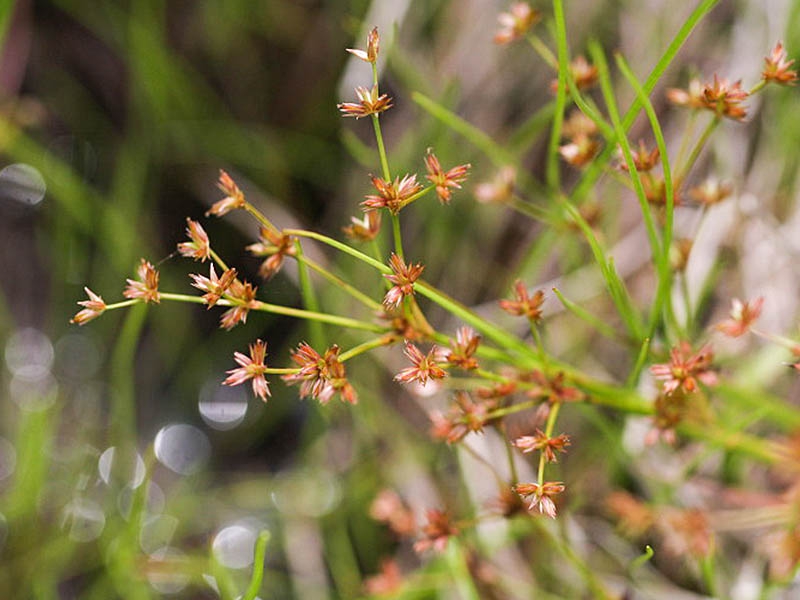
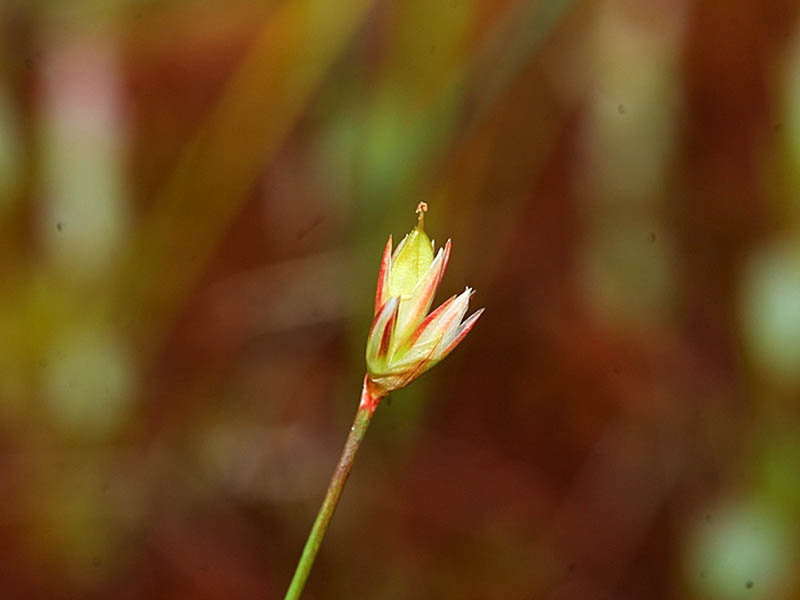
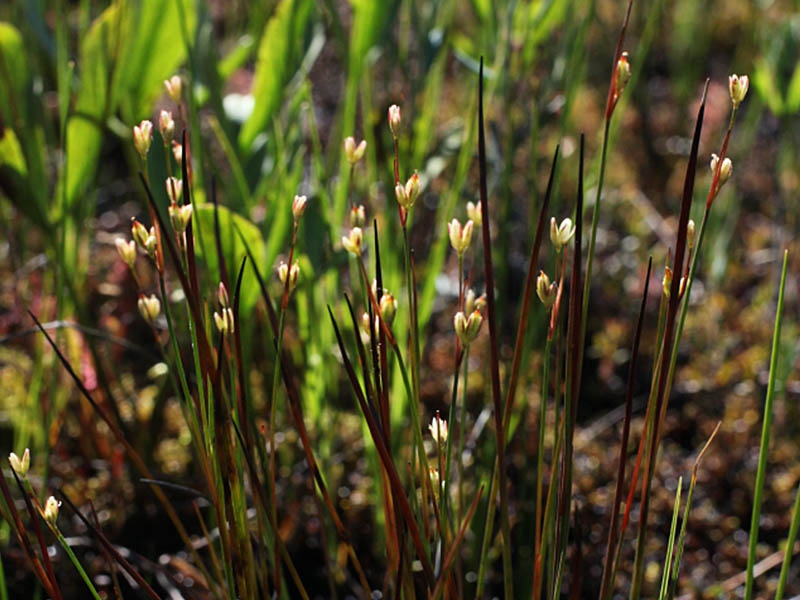
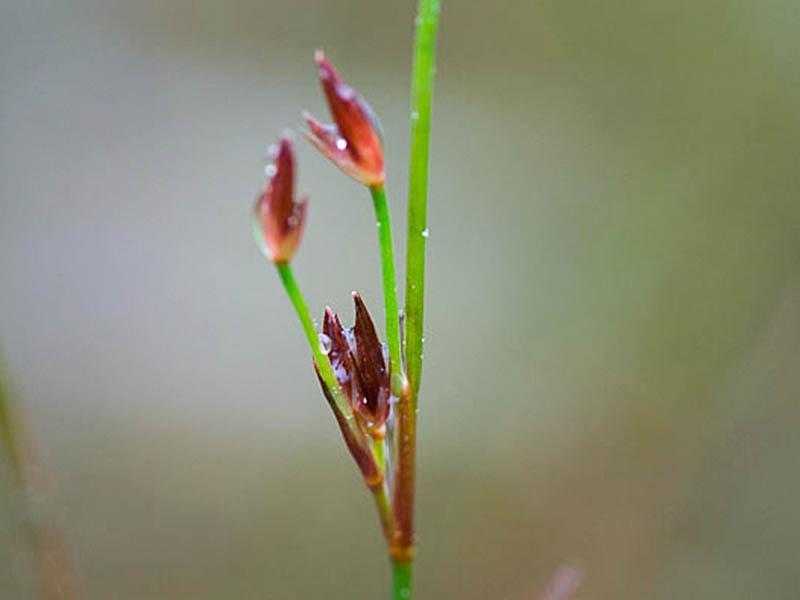
Juncus stygius is a plant that grows in wetlands or damp areas and thrives even in relatively cold regions. The following is information regarding this plant's growth characteristics, propagation methods, cultivation methods, garden uses, and major pests and diseases and control methods. Growth Characteristics: - Juncus stygius grows well even in cold climates and is primarily found in wetlands or environments with high humidity. - It has deep and strong roots, is short in stature, and features slender, long leaves. Propagation Methods: - It is mainly propagated by seeds. Seeds mature in the autumn and generally germinate the following spring. - Propagation by division is also possible; this is best performed in the spring or autumn when the plant is growing well. Cultivation Methods: - Juncus stygius prefers well-drained, moist soil. - While it grows well in locations with ample sunlight, it can adapt to some shade. - It is important to provide sufficient water while it is growing. Uses in the Garden: - It is frequently used in gardens or aquatic gardens where a natural feel is desired. - Additionally, planting it in humid areas or places with heavy rainfall helps prevent soil erosion. Important Pests and Control Methods: - Juncus effusus is relatively resistant to specific pests and diseases. - However, diseases such as non-fungal diseases may occur in environments that are excessively wet or lack ventilation. - To prevent this, it is important to maintain well-drained soil and use appropriate fungicides when necessary to prevent diseases. We hope this information is helpful for the cultivation and care of Juncus effusus.
Plant Family
Juncaceae
Height
10~25cm
Colors
brown
Bloom Period
July
Water Needs
commonly
Exposure
Sunny
Freezing Resistance
-10°C
Evening rush
Juncus castaneus
subsp.
triceps
Blue sedge
Juncus setchuensis