English
한국어
English
Español
中文
हिंदी
Home
News
Community
Dictionary
English
한국어
English
Español
中文
हिंदी
View list
Blue-haired rush
Juncus papillosus
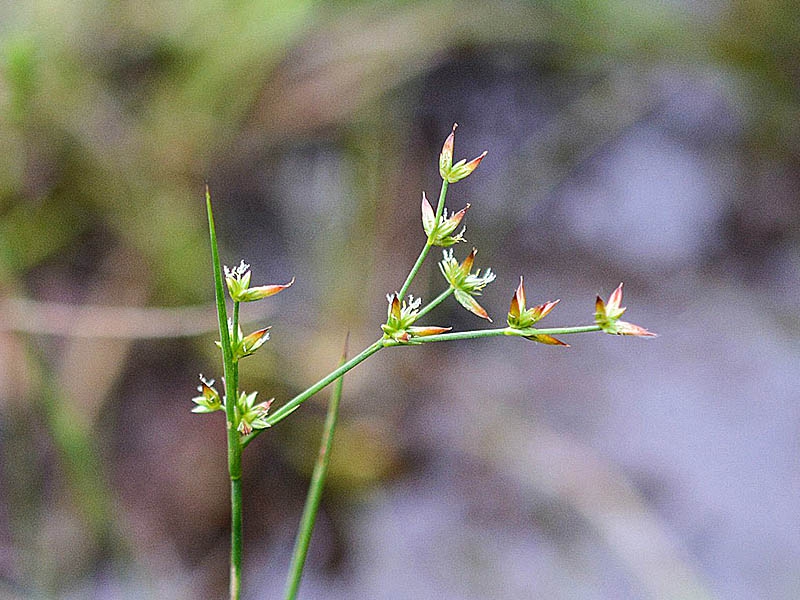
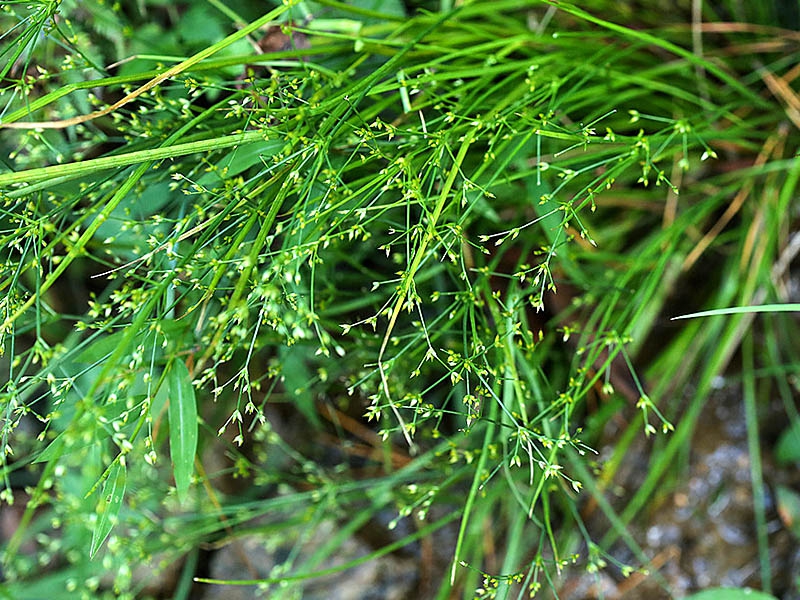
Juncus papillosus is a plant that primarily grows in wetlands or along water's edge. The following is information regarding the growth characteristics, propagation methods, cultivation methods, garden uses, and important pests and control methods for Juncus papillosus. Growth Characteristics - Environment: Juncus papillosus thrives in moist, well-drained areas. Water edges and wetlands are suitable habitats. - Temperature: It grows in temperate climates and is not susceptible to extreme heat or cold. Propagation Methods - Seeds: Juncus papillosus is primarily propagated by seeds. Mature seeds can be collected and sown. - Division: It can also be propagated by dividing parts of the roots or stems. Cultivation Methods - Soil Preparation: Sow seeds in moist soil or plant divided plants. - Water Management: Sufficient water supply is required, and watering should be done frequently. - Sunlight: It prefers partial shade to full sun environments. Uses in the Garden - Juncus effusus is an excellent plant for creating wetland gardens or decorating waterside areas. Its natural appearance harmonizes well with the garden landscape. Important Pests and Control Methods - Diseases: There are no specific diseases, but issues such as root rot may occur due to excessive moisture. - Pests: Although it is not particularly sensitive to pests, regular maintenance is required as leaves can be damaged by larvae. - Control Methods: Appropriate pesticides can be used in the event of pest infestation. It is especially important to continuously maintain a clean growing environment. Based on this information, you can effectively cultivate and manage Juncus effusus.
Plant Family
Juncaceae
Height
20∼30cm
Colors
green
Bloom Period
July–August
Water Needs
commonly
Exposure
Sunny
Freezing Resistance
-15°C
Blue sedge
Juncus setchuensis
thread-like rush
Juncus maximowiczii