English
한국어
English
Español
中文
हिंदी
Home
News
Community
Dictionary
English
한국어
English
Español
中文
हिंदी
View list
Moss Denudata
Jungermannia denudata
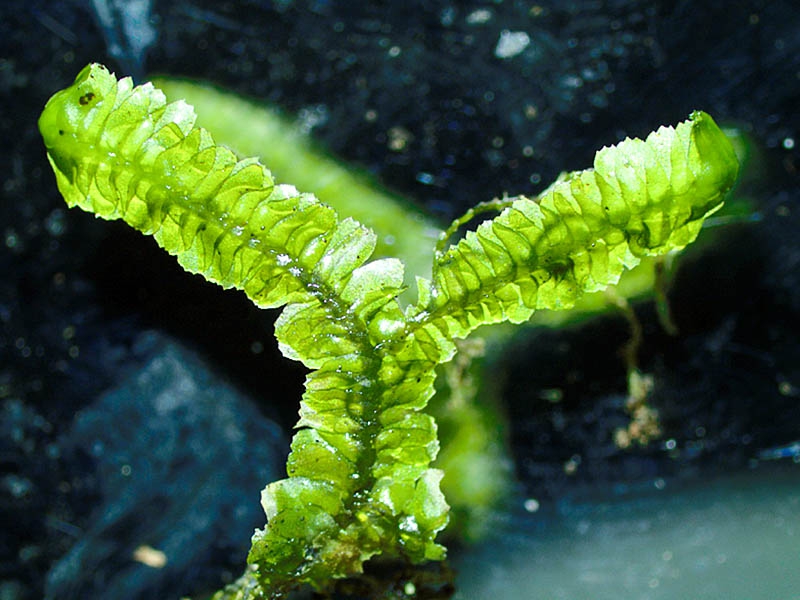
Moss Denudata (Jungermannia denudata) Growth Characteristics: Moss Denudata prefers humid environments and thrives primarily in shady areas near water, wetlands, and forests. The moss requires indirect light and avoids direct sunlight, growing well in soil rich in high-quality organic matter. Reproduction Method: Moss primarily reproduces by spores. Spores are dispersed by wind or water, and upon reaching a suitable environment, they germinate and grow into new individuals. Additionally, in specific environments, new individuals can be formed through somatic cell division. Cultivation Method: Maintaining appropriate humidity and temperature is important during cultivation. Moss Denudata is relatively easy to care for, and providing water regularly using a spray bottle aids in growth. Ideally, the soil should be well-drained and rich in organic matter, and it is important to avoid dry environments. Uses in Gardens: Moss Denudata is suitable for shady or high-humidity gardens. It can be used for landscaping and provides a natural feel as a decorative element in the garden. It blends harmoniously with surrounding plants to create a natural landscape. Important Pests and Control Methods: Although Denudata moss is relatively resistant to pests and diseases, mold may develop in excessively humid environments. In such cases, manage the plant by improving ventilation to reduce moisture and using fungicides if necessary. Additionally, proper watering can prevent overwatering.
Plant Family
Mother Moss Family
Height
3~5mm
Colors
sporophyte
Bloom Period
March to June (spore period)
Water Needs
commonly
Exposure
semi-shaded area
Freezing Resistance
-10°C
Moss Divaricata
Jungermannia divaricata
Moss Barbata
Jungermannia barbata