English
한국어
English
Español
中文
हिंदी
Home
News
Community
Dictionary
English
한국어
English
Español
中文
हिंदी
View list
Blueberry Ashay
Vaccinium ashei
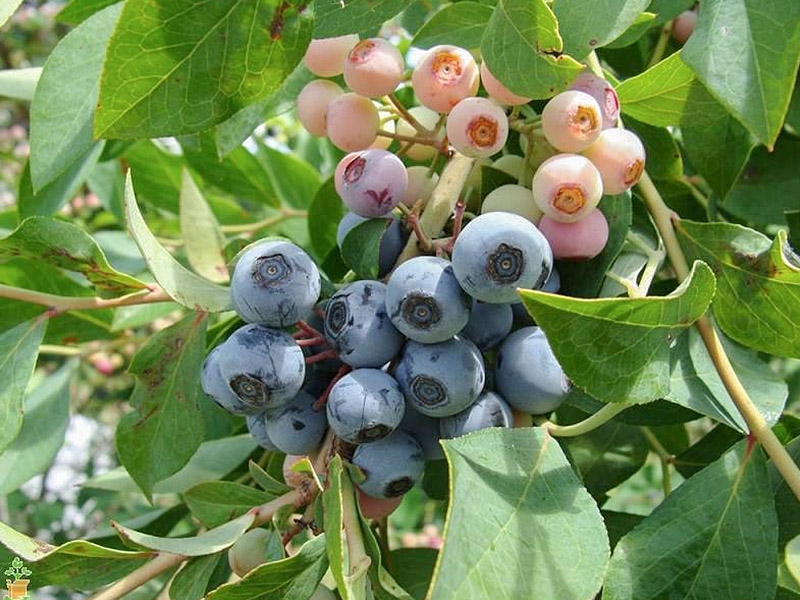
Vaccinium ashei is a deciduous shrub that grows primarily in the southeastern United States. The following is information regarding this plant's growth characteristics, propagation methods, cultivation methods, garden uses, and major pests and diseases, as well as control methods. Growth Characteristics - Temperature: It prefers a warm climate and requires periods of low temperatures during the winter. - Soil: It prefers acidic soil (pH 4.0–5.5) and requires well-drained soil. - Sunlight: It thrives in sunny locations. While it can grow in partial shade, yields may be reduced. - Water: Sufficient water supply is important, and care must be taken to avoid water shortages, especially during the fruiting period. Propagation Methods - Seed Propagation: It can be propagated by sowing seeds, but this process can take a long time. - Cuttings: It can be propagated by taking semi-hardwood cuttings during the summer; appropriate treatments (e.g., rooting hormones) should be used to promote root development. - Grafting: Grafting can be used to create more robust and productive varieties through crossbreeding. Cultivation Methods - Planting: It is best to plant in the spring or autumn. Soil improvement (e.g., magnesium sulfate, organic fertilizer) is necessary before planting. - Fertilization: Provide adequate nutrition using solid or liquid fertilizers during the spring and summer. - Pruning: Remove old and diseased branches every winter to maintain the tree's health and improve air circulation. Uses in the Garden - Ornamental: It is used as an ornamental plant due to its beautiful spring flowers and autumn foliage. - Harvesting: The fruit can be eaten fresh or processed into jam, juice, and more. Important Pests and Control Methods - Diseases: Common diseases include anthracnose and root rot. To prevent these, it is important to prune frequently, improve ventilation, and enhance soil drainage. - Pests: Aphids, moths, and other pests may be found; eco-friendly pesticides can be used to control them. - Prevention: Regular observation and early control are important for preventing pests and diseases, and it is necessary to maintain cleanliness of the soil and the area around the trees. Through these growing conditions and management methods, you will be able to successfully grow Blueberry Ashay and harvest healthy fruit.
Plant Type
Plant Family
Rhododendron family
Height
2.4~4.5m
Spread
Colors
pink
Bloom Period
March to July
Water Needs
commonly
Exposure
Sunny
Freezing Resistance
-15°C
Blueberry fabifolium
Vaccinium parvifolium
Blueberry 'Toro'
Vaccinium corymbosum 'Toro'