English
한국어
English
Español
中文
हिंदी
Home
News
Community
Dictionary
English
한국어
English
Español
中文
हिंदी
View list
Yellow plum blossom
Kerria japonica
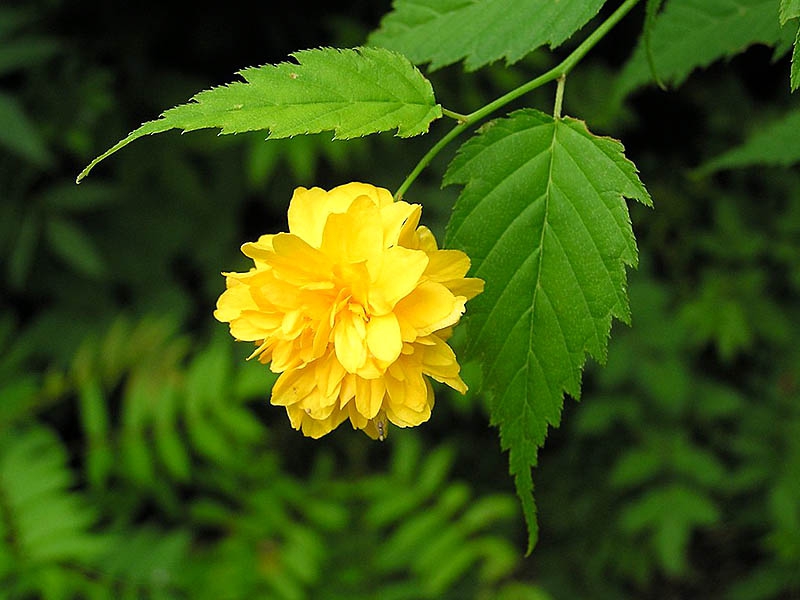
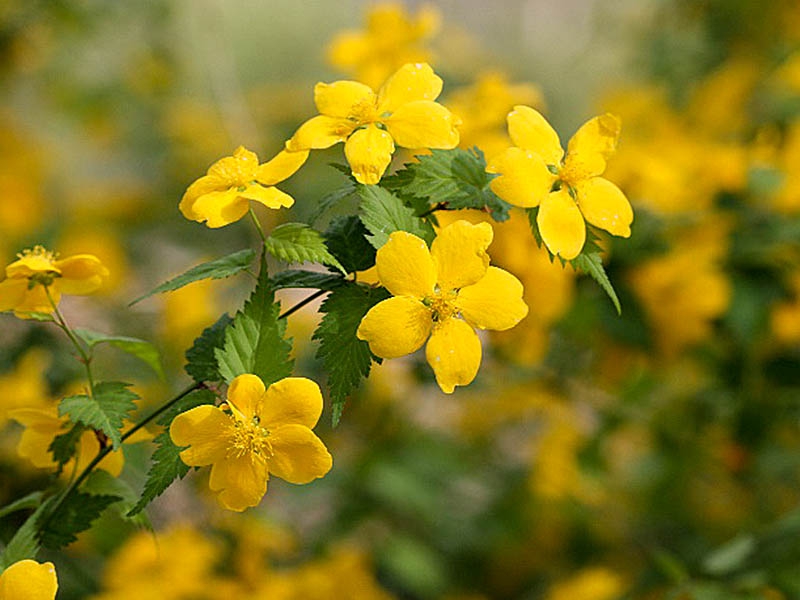
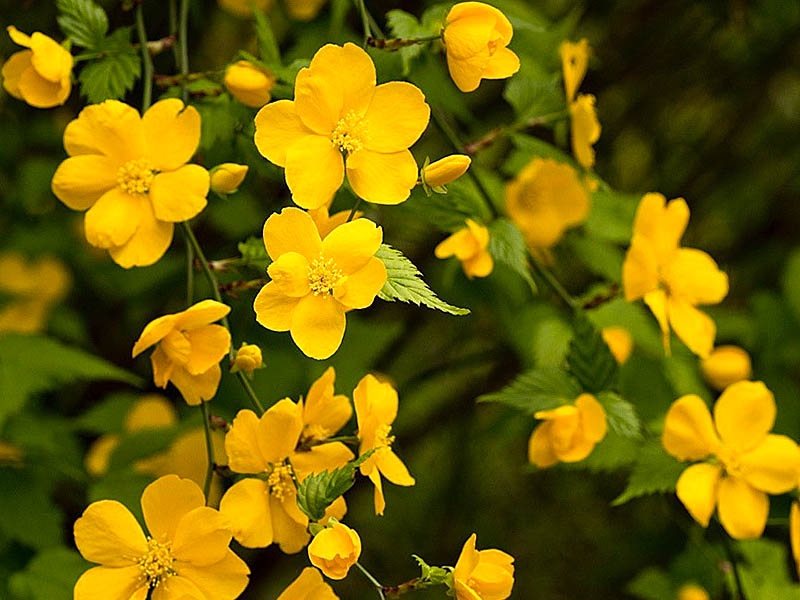
Kerria japonica possesses the following characteristics: Growth Characteristics - Appearance: It is a deciduous shrub that grows to a height of 1 to 3 meters. It spreads in a bushy form due to its well-developed branches. The leaves are alternate, oval-shaped, and have serrated edges. - Flowers: They bloom from late spring to early summer, with yellow flowers appearing before the leaves. The flowers typically have five petals and are elegant in appearance. - Environment: It can grow in a relatively wide range of environments. While it thrives in partial shade, it also adapts well to full sun. It grows best in well-drained soil. Propagation Methods - Cuttings: It is common to take cuttings from branches in spring or autumn. - Division: This method involves dividing and planting mature trees; early spring is the optimal time. - Seeds: It can be propagated by seeds, but growth is slow and the success rate is relatively low. Cultivation Method - Soil and Location: It prefers well-drained soil, and cultivation in partial shade is ideal. - Watering: Avoid overwatering; it is best to water only when necessary. - Fertilizer: It is recommended to apply slow-release fertilizer during the spring growing season. Uses in the Garden - Border Planting: As it grows in a shrub form, it is suitable for planting as a border or hedge. - Flowerbeds and Natural Gardens: Its adaptability to various environments can be utilized to create a natural and lush landscape. - Background Plant: It can be used as a background by harmoniously arranging it with other plants. Important Pests and Control Methods - Diseases: It is generally resistant to diseases, but fungal diseases may occasionally occur in unsuitable environments. - Control Methods: Cut off infected parts, ensure good ventilation, and use fungicides if necessary. - Pests: Pests such as aphids may occur. - Control Methods: In the early stages, physically remove them by spraying with water or soapy water; in severe cases, use insecticides. As such, Japanese quince (Prunus japonica) is relatively easy to care for and can be cultivated in various environments, making it highly useful for gardens. It can be grown healthily with regular observation and simple care.
Plant Family
Rosaceae
Height
1.5~2m
Colors
yellow
Bloom Period
April~May
Water Needs
commonly
Exposure
Sunny
Freezing Resistance
-20°C
Narrow-leaved elm
Kalopanax septemlobus
var.
maximowiczii
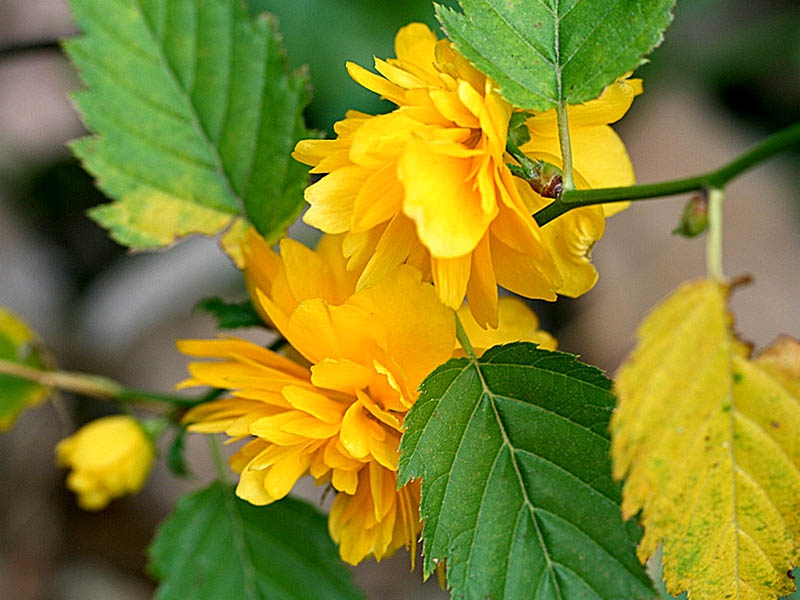
Yellow plum blossom 'Pleniflora'
Kerria japonica
'Pleniflora'