English
한국어
English
Español
中文
हिंदी
Home
News
Community
Dictionary
English
한국어
English
Español
中文
हिंदी
View list
Niphophia Ruperi
Kniphofia rooperi
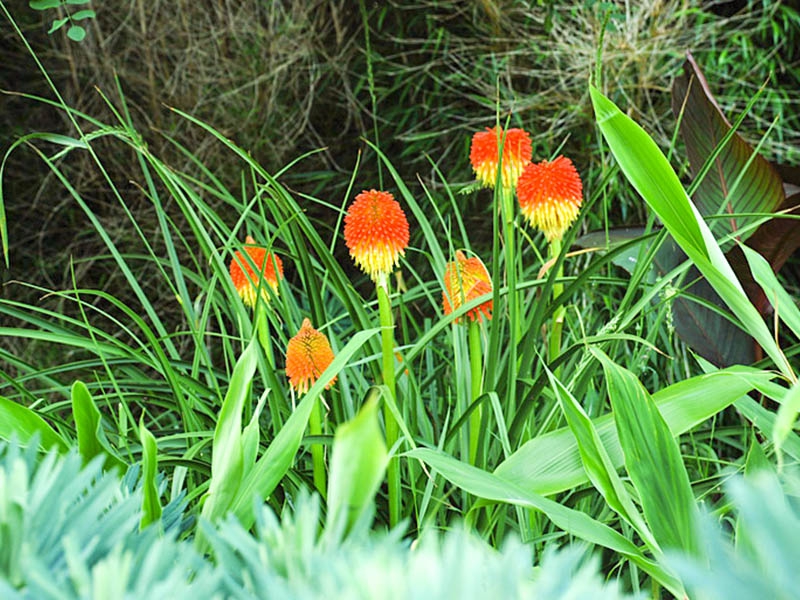
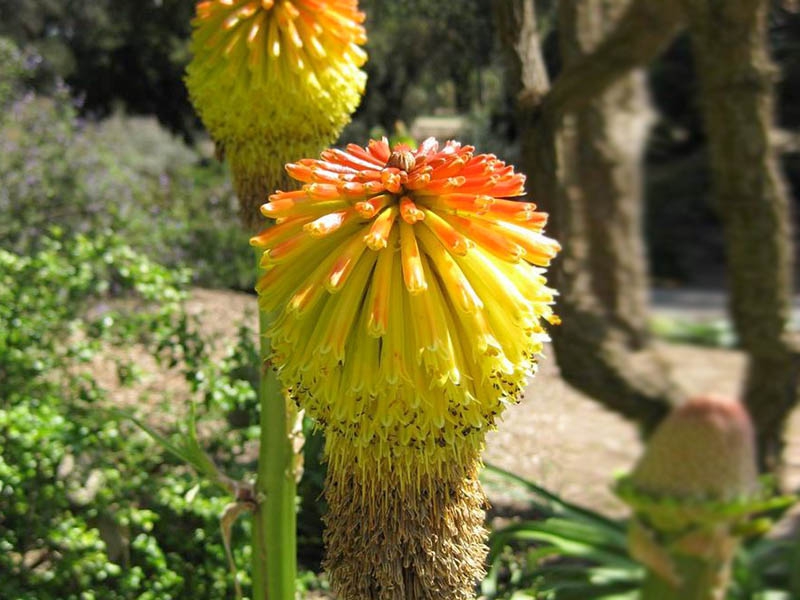
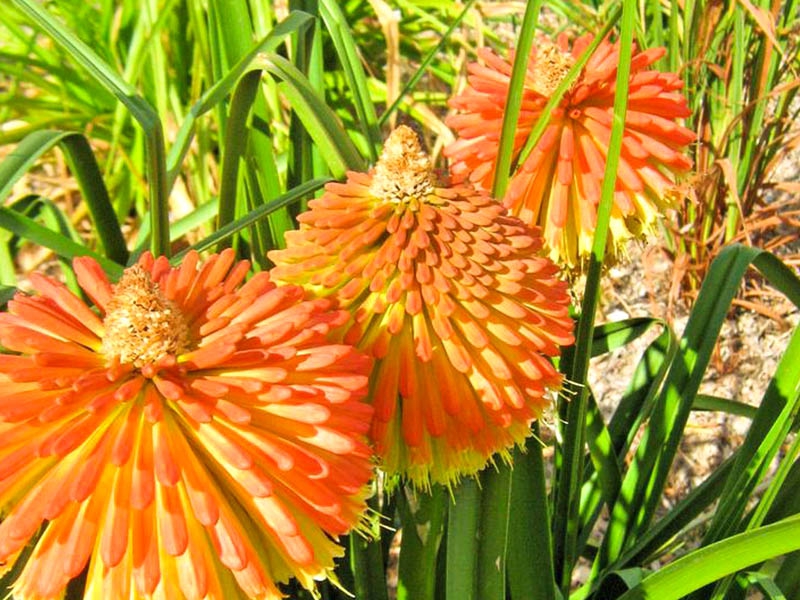
Kniphofia rooperi has the following characteristics regarding growth, propagation methods, cultivation methods, garden uses, major pests and diseases, and control methods. Growth Characteristics - Sunlight and Location: Kniphofia rooperi grows best in sunny locations. While it can tolerate partial shade, it requires at least 6 hours of sunlight per day for optimal flowering. - Soil: It thrives in well-drained loam or sandy loam and prefers neutral or slightly acidic soil with a pH of 6.0 to 7.5. - Watering: Water should be applied moderately, and excessive moisture should be avoided. Although it tolerates dry conditions well, it is recommended to provide sufficient water during the growing season. - Cold Hardiness: It is relatively cold-hardy, but root protection may be necessary at sub-zero temperatures. Propagation Methods - Seed Propagation: It can be propagated by seeds; seedlings can be grown indoors or sown directly in the spring. - Propagation by Division: It can be propagated by dividing the clumps in spring or autumn. Carefully separate the roots and plant them. Cultivation Method - Planting: Prepare the garden in spring or autumn and plant with appropriate spacing between plants (30–60 cm spacing). - Fertilization: It is recommended to lightly apply slow-release fertilizer every spring when new growth begins. - Pruning: Cut off withered flower stalks after flowering to reduce the plant's energy consumption. Uses in the Garden - Landscaping: The intensely colored flowers serve as a focal point in the garden, creating a spectacular landscape. - Mixed Flowerbeds: Plant with other perennials to utilize a variety of heights and textures. Major Pests and Control Methods - Pests and Diseases: While primarily sensitive to snails and diseases, it is generally quite resistant to pests and diseases. - Control: Snails can be removed by hand or organic insecticides can be used. If disease is detected on the roots or leaves, immediately remove the affected parts and select a disease-resistant variety. By referring to this information, you will be able to successfully grow Niphophia luperii.
Plant Family
Lily family
Height
90~120cm
Spread
30~60cm
Colors
red, yellow
Bloom Period
August
Water Needs
commonly
Exposure
Sunny
Freezing Resistance
-10°C
Nyphofia 'Christmas Cheer'
Kniphofia uvaria
'Christmas Cheer'
Niphophia 'Timothy'
Kniphofia uvaria
'Timothy'