English
한국어
English
Español
中文
हिंदी
Home
News
Community
Dictionary
English
한국어
English
Español
中文
हिंदी
View list
Sea mustard
Bassia littorea
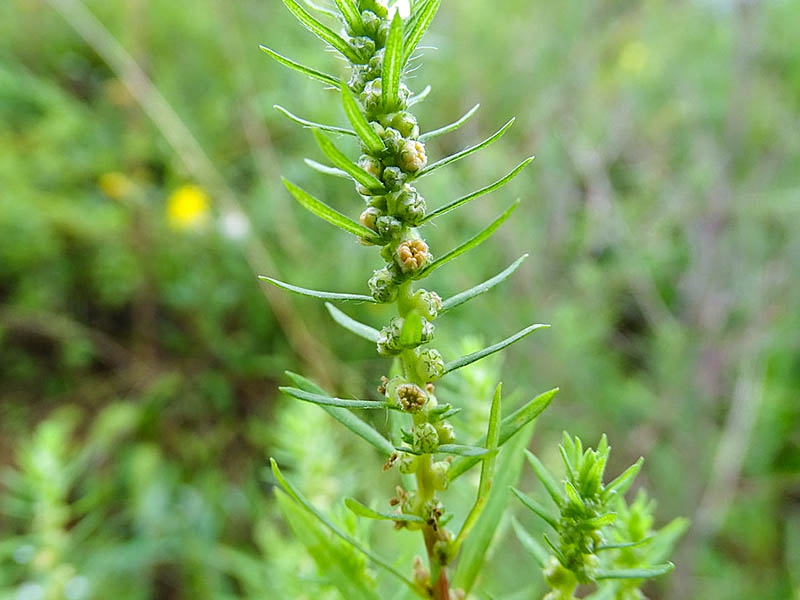
Kochia scoparia var. littorea is a plant native to coastal regions. It possesses a strong resistance to salinity, allowing it to thrive even in coastal soils. I will explain the plant's growth characteristics, propagation methods, cultivation techniques, garden uses, and major pests and diseases, as well as control methods. Growth Characteristics Kochia scoparia is a perennial plant that thrives primarily in sandy soil or high-salinity soils found in coastal areas. It typically grows to a height of 30 to 100 cm, and its leaves are slender, long, and linear. Small flowers that change from yellow to red bloom in the summer, and in the autumn, the entire plant creates a spectacular sight as it turns red. Propagation Methods It is primarily propagated by seeds. It is common practice to sow seeds directly into the ground in the spring or to grow seedlings and then transplant them into the garden. The seeds germinate relatively easily, typically within 1 to 2 weeks of planting, and the plant grows rapidly in warm, sunny environments. Cultivation Method - Soil: It thrives in well-drained sandy or gravelly soil. - Watering: While it is resistant to salt, it prefers an environment with good drainage. Excessive moisture should be avoided. - Sunlight: It grows best in locations with abundant sunlight. - Temperature: It prefers a warm climate and can be cultivated without special temperature control. Uses in the Garden Kochia scoparia has a unique shape and color, so planting it in the garden can create an exotic atmosphere. In particular, its reddish hue in autumn can serve as a focal point in the garden. It is excellent for use as a boundary plant or background plant. Important Pests and Control Methods Kochia scoparia is a relatively resistant plant to pests and diseases. However, root rot may occur if the soil is overwatered. To prevent this, proper drainage, watering, and ventilation management are necessary. Aphids are the primary pests that may occur, and they can be controlled with soapy water or periodic spraying. Kochia scoparia can be a good choice for those who want an impressive garden plant that is relatively easy to care for.
Plant Family
Chenopodiaceae
Height
50∼100cm
Colors
Green, red
Bloom Period
September to October
Water Needs
commonly
Exposure
Sunny
Freezing Resistance
-30°C
Kochia scoparia
Bassia scoparia
Dorangipi Kristata
Koeleria cristata