English
한국어
English
Español
中文
हिंदी
Home
News
Community
Dictionary
English
한국어
English
Español
中文
हिंदी
View list
Sophora japonica
Koelreuteria paniculata
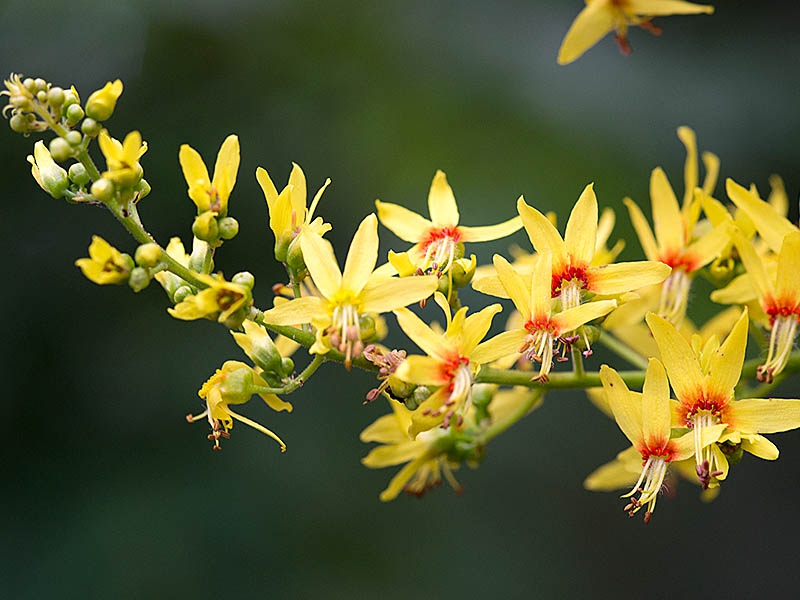
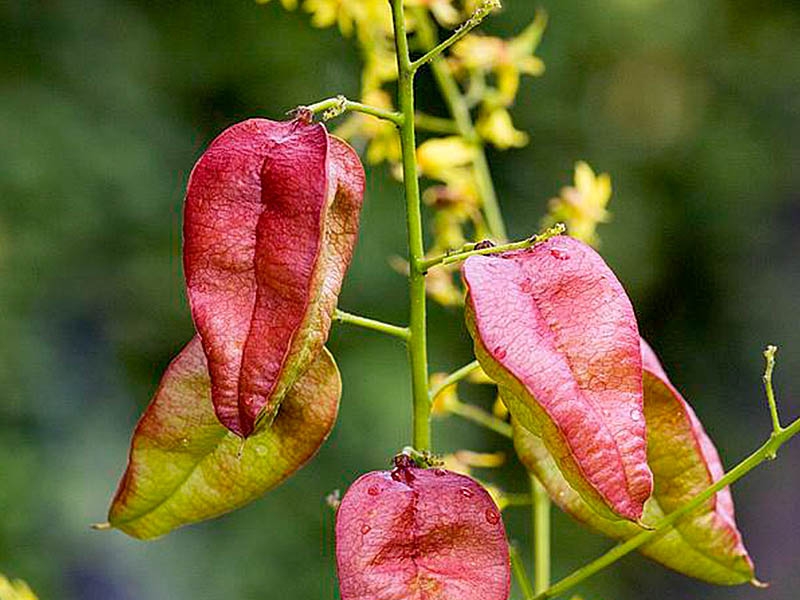
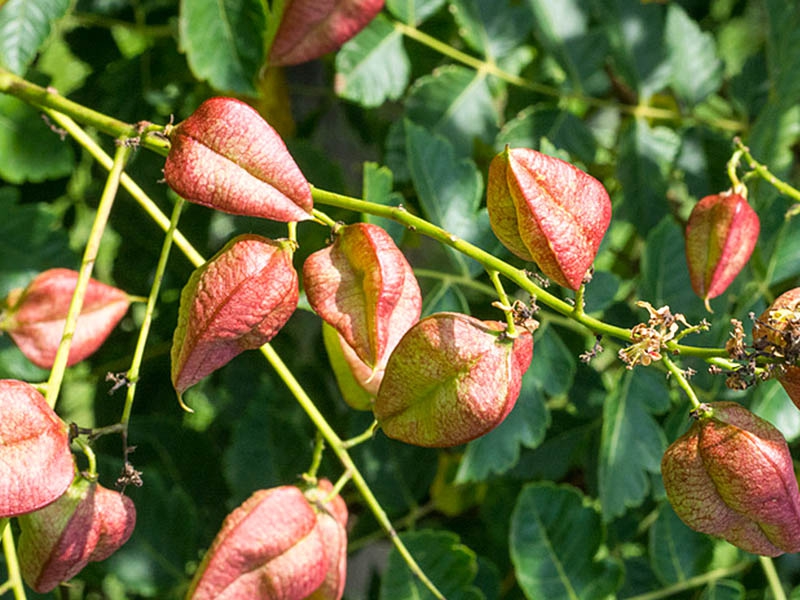
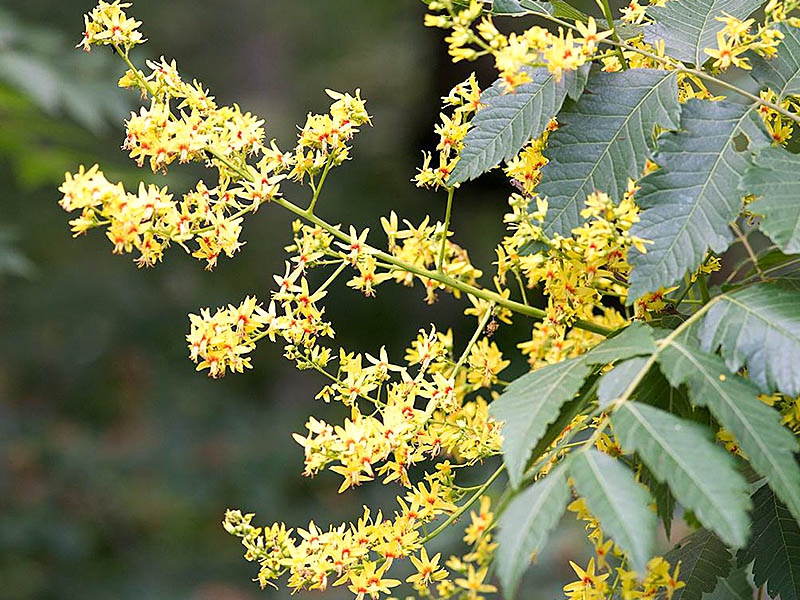
Koelreuteria paniculata, also commonly known as the Golden Tree, possesses the following growth characteristics, propagation methods, cultivation methods, garden uses, major pests and diseases, and control methods. Growth Characteristics - Climate Adaptability: Koelreuteria paniculata is relatively cold-tolerant and thrives even in dry environments. Therefore, it can grow in a variety of climates and adapts particularly well to temperate climates. - Soil Requirements: It prefers fertile, well-drained soil but is not highly sensitive to soil conditions. It can grow in neutral to slightly acidic or slightly alkaline soils. - Sunlight: It likes sunlight and grows well in open spaces. While it can tolerate partial shade, sufficient sunlight is required for optimal growth. - Height and Width: Mature trees grow to approximately 7 to 10 meters in height and spread out to a similar width. Propagation Methods - Seeds: Propagation by seeds is common. Harvest seeds in the autumn and sow them immediately, or store them in a moist environment during the winter and sow them in early spring. - Cuttings: In the summer, you can induce rooting by cutting new branches and planting them in water or sand. Cultivation Methods - Planting: When planting, ensure the roots hold the soil firmly to reduce transplant stress. - Watering: Provide ample water during the initial establishment period, but afterwards, the plant will thrive even relying on rainfall. - Fertilizer: It is recommended to use slow-release fertilizer 1 to 2 times a year. Uses in the Garden - Landscape Element: When in bloom, the vivid yellow flowers are beautiful and serve as a focal point in the garden. - Shade Provider: Once mature, the tree can provide shade, creating a resting area. Important Pests and Diseases & Control Methods - Diseases: It is generally resistant to disease, but root rot can occur if the soil is excessively wet. Pay attention to drainage. - Pests: Aphids or mites may occur. Upon discovery, they can be removed immediately by using an appropriate organic insecticide or by washing with a stream of water. The Japanese Styrax is a relatively easy tree to care for, and if planted in the right location and conditions, it can provide a beautiful landscape for a long period.
Plant Family
Sapindaceae
Height
8~10m
Colors
yellow
Bloom Period
June~July
Water Needs
commonly
Exposure
Sunny
Freezing Resistance
-15°C
Doraengipi
Koeleria macrantha
Chinese crape myrtle
Koelreuteria bipinnata