English
한국어
English
Español
中文
हिंदी
Home
News
Community
Dictionary
English
한국어
English
Español
中文
हिंदी
View list
Round knotweed
Kummerowia stipulacea
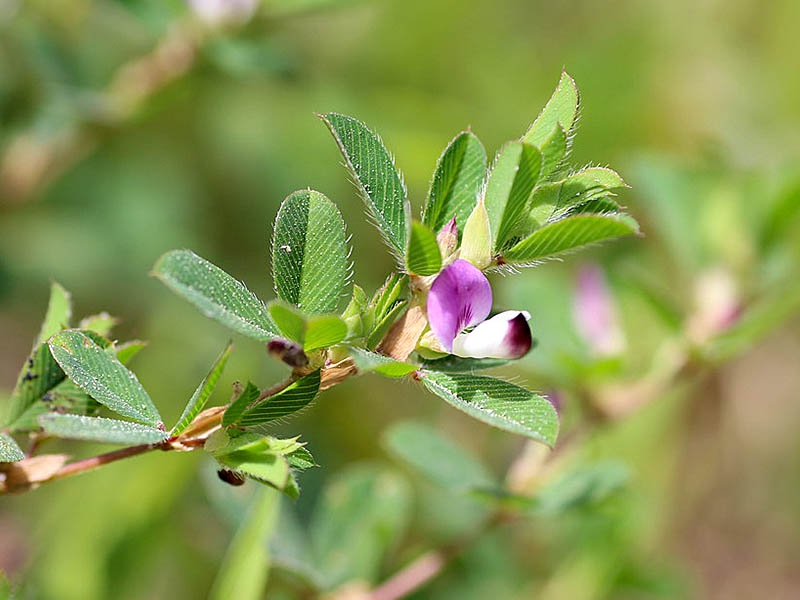
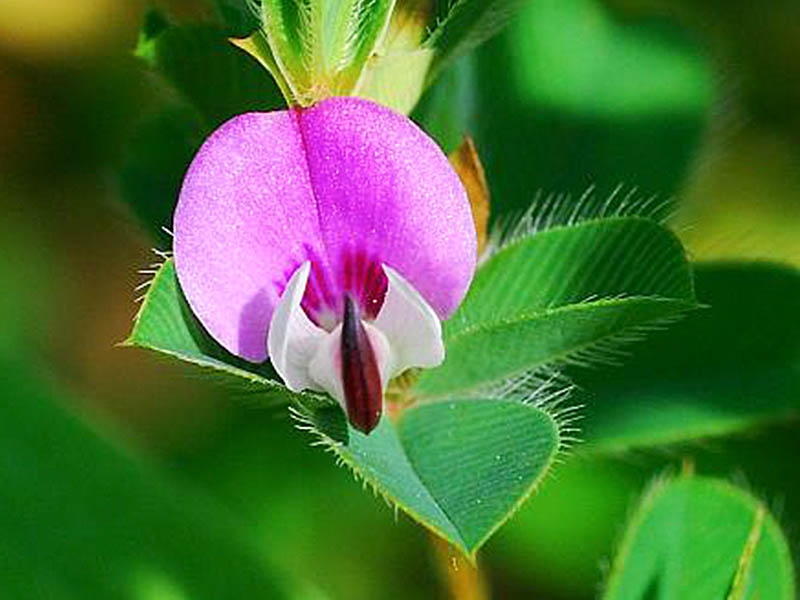
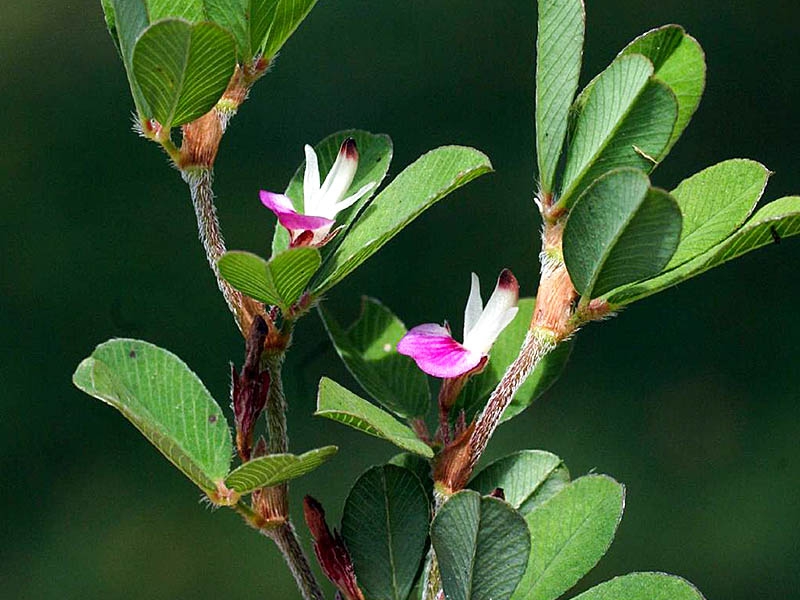
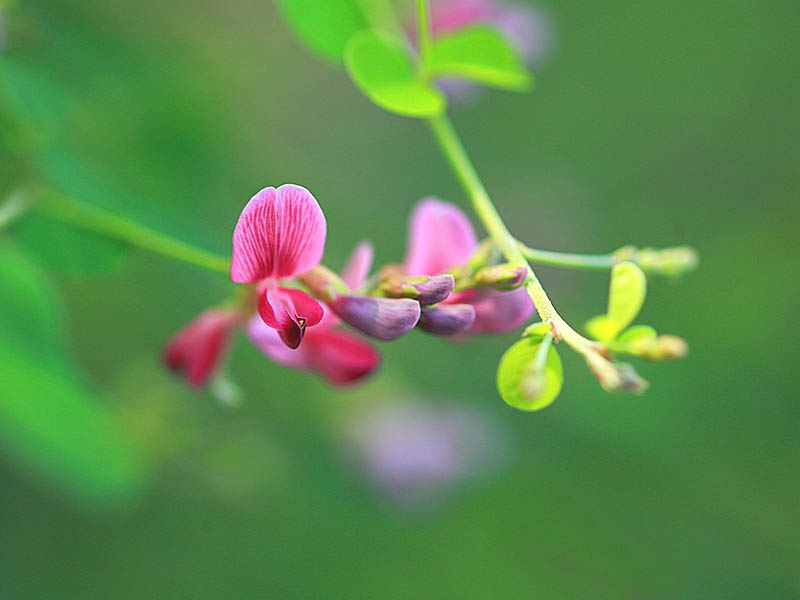
Kummerowia stipulacea is a perennial herbaceous plant native primarily to Asia, used for soil improvement and fodder. The following is information regarding the plant's growth characteristics, propagation methods, cultivation methods, garden uses, and major pests and diseases, as well as control methods. Growth Characteristics - Growing Environment: Kummerowia thrives in sunny locations and is not significantly affected by soil fertility. However, it grows healthier in well-drained soil. - Height and Form: This plant typically grows to a height of 30–60 cm and develops a highly branched form. Propagation Methods - Seed Propagation: Kummerowia can be easily propagated by seeds. It is best to sow seeds in the spring, and germination begins in about two weeks. Cultivation Methods - Sowing Time: It is recommended to sow seeds from late spring to early summer. - Water Management: Water should be provided moderately, and excessive moisture should be avoided. However, sufficient watering is required during dry periods. - Fertilizer: While general chemical fertilizers may be used, using organic fertilizers yields better results. Uses in the Garden - Round knotweed is a low-maintenance plant, making it ideal for planting along garden edges or boundaries. Additionally, its lush green foliage helps create a natural garden landscape. Important Pests and Control Methods - Pests and Diseases: While no major pests have been reported, root rot may occur due to excessive moisture. - Control Methods: Ensure thorough drainage to prevent waterlogging, and use organic pesticides if necessary to suppress pests. By managing Round knotweed in this manner, it can grow healthily.
Plant Family
legumes
Height
10~30cm
Colors
amethyst
Bloom Period
July to October
Water Needs
commonly
Exposure
Sunny
Freezing Resistance
-15°C
knot squash
Kummerowia striata
Pa-daegari
Kyllinga brevifolia
var.
leiolepis