English
한국어
English
Español
中文
हिंदी
Home
News
Community
Dictionary
English
한국어
English
Español
中文
हिंदी
View list
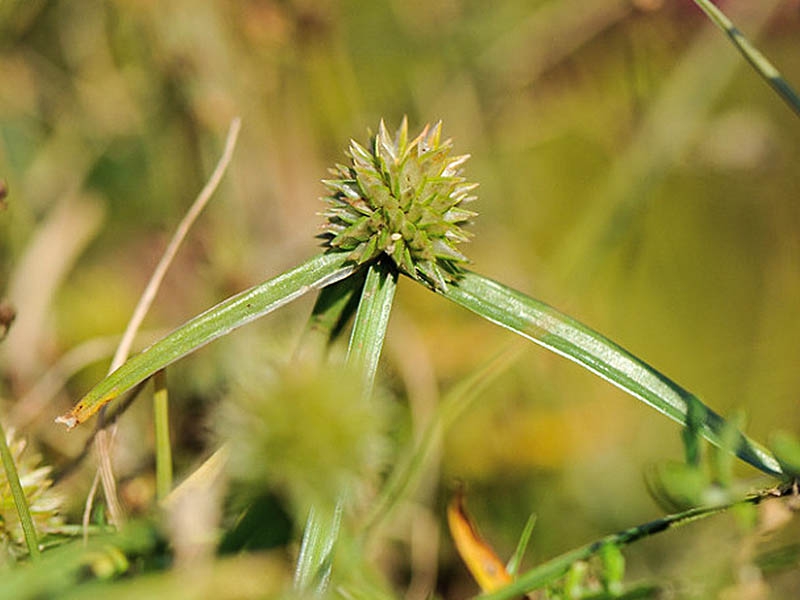
Flower head
Kyllinga brevifolioides
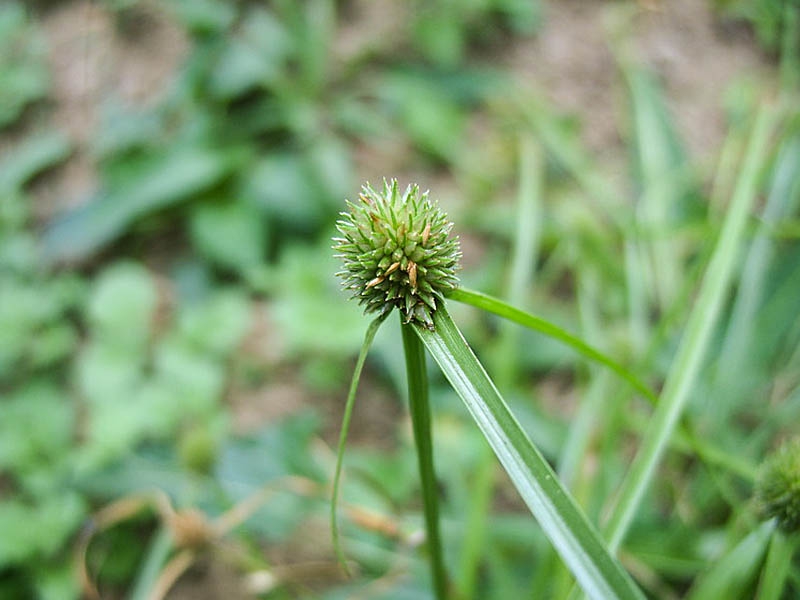
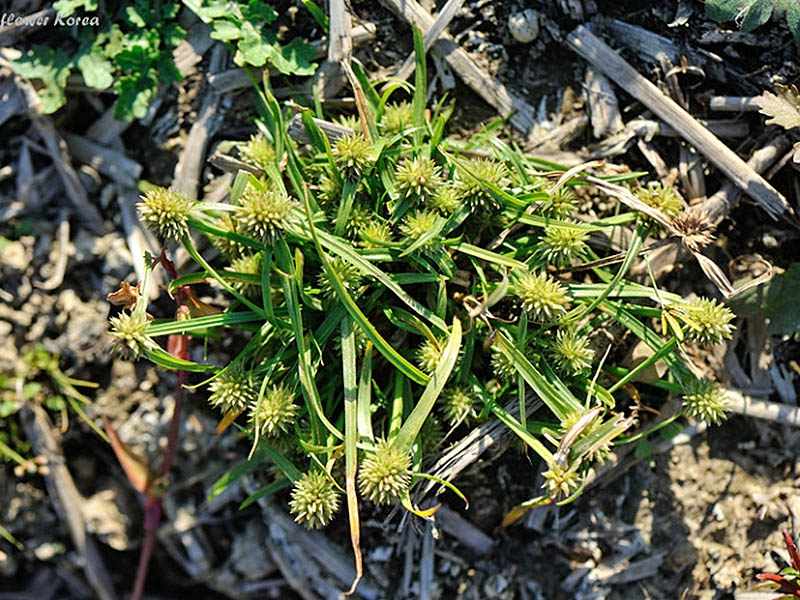
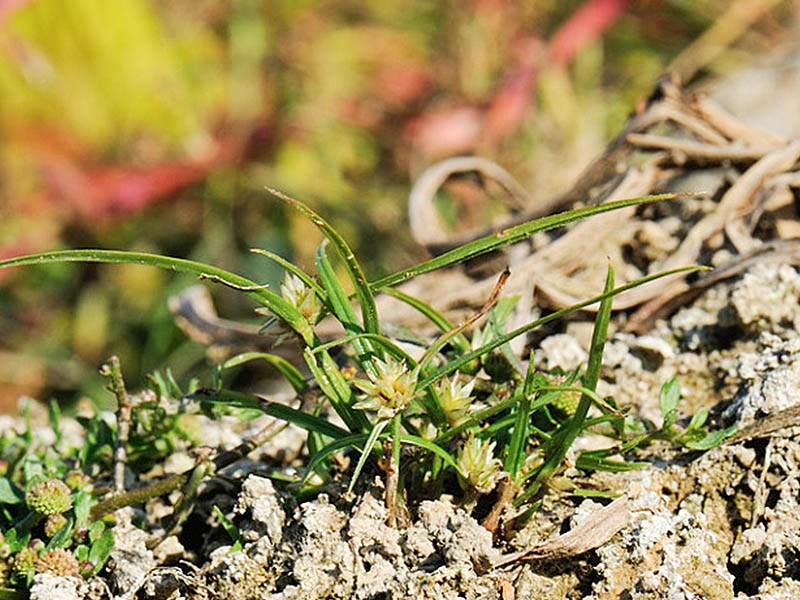
Kyllinga brevifolioides is a perennial plant belonging to the Cyperaceae family that thrives primarily in humid environments. The following is information regarding the growth characteristics, propagation methods, cultivation methods, garden uses, major pests and diseases, and control methods of Kyllinga brevifolioides. Growth Characteristics - Environmental Conditions: Kyllinga brevifolioides grows well in sunny locations, but can also grow sufficiently in partial shade. It prefers humid environments, so it is important to consider soil drainage when cultivating it. - Growth Rate: It grows relatively quickly and is characterized by forming colonies. - Size: It grows to a height of approximately 30–60 cm and is characterized by deep-spreading roots. Propagation Methods - Seed Propagation: Propagation is possible via seeds. It can be propagated by sowing in spring or autumn, and it is important to water sufficiently until sprouts emerge. - Vegetative Propagation: It can also be propagated by dividing roots or stems. This method allows for efficient propagation by utilizing both the above-ground and underground parts of the plant. Cultivation Method- Soil Preparation: After establishing a drainage layer, general garden soil can be used. Soil that retains moisture is suitable. - Watering: Water frequently to prevent the soil from drying out. It requires more water, especially during the summer. - Fertilization: It is recommended to apply appropriate fertilizer in spring and early summer to coincide with its thriving period. Uses in the Garden- Border Plant: It is excellent for use as a border plant, taking advantage of its tendency to form colonies. - Wetland Garden: It is ideal for creating a wetland garden alongside aquatic plants. - Ornamental: Its unique appearance and flower shape add a decorative touch to the garden. Important Pests and Control Methods- Diseases: It generally grows healthily without significant disease. However, caution is required as root rot can occur if the soil becomes waterlogged. - Pest Damage: While there is no significant damage from common pests, damage from leaf-eating insects may occur. - Control Methods: Using appropriate insecticides and fungicides is helpful when pests occur. For eco-friendly control, you can remove them by hand or use natural predators. Based on this information, you can properly manage the Kkotpa-daegari and utilize it in your garden.
Plant Family
Cyperaceae
Height
5~20cm
Colors
green
Bloom Period
July to September
Water Needs
commonly
Exposure
Sunny
Freezing Resistance
-10°C
Pa-daegari
Kyllinga brevifolia
var.
leiolepis
Danggwang tree
Ligustrum lucidum