English
한국어
English
Español
中文
हिंदी
Home
News
Community
Dictionary
English
한국어
English
Español
中文
हिंदी
View list
Deformed head Purpureus
Lablab purpureus
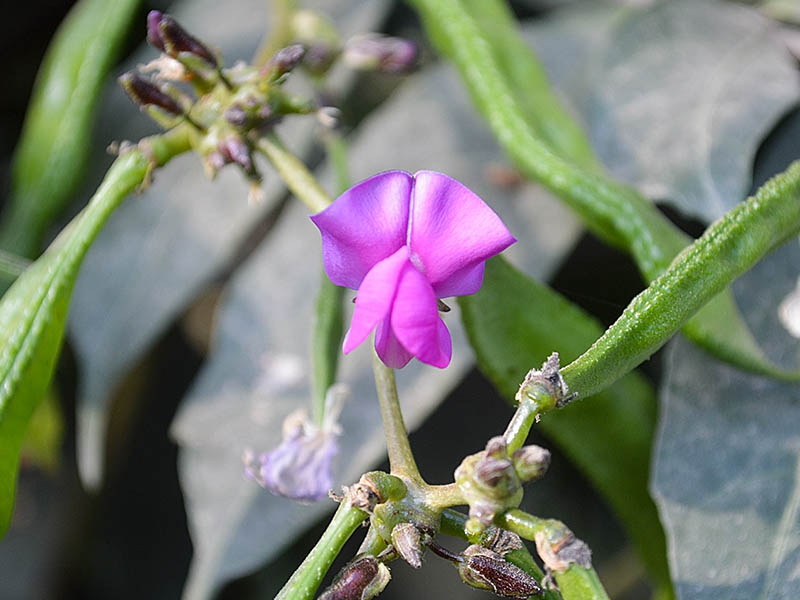
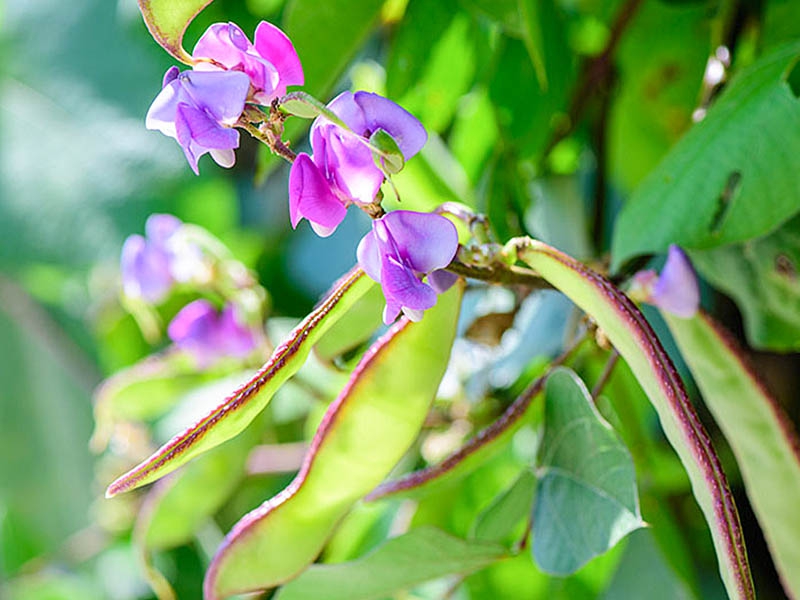
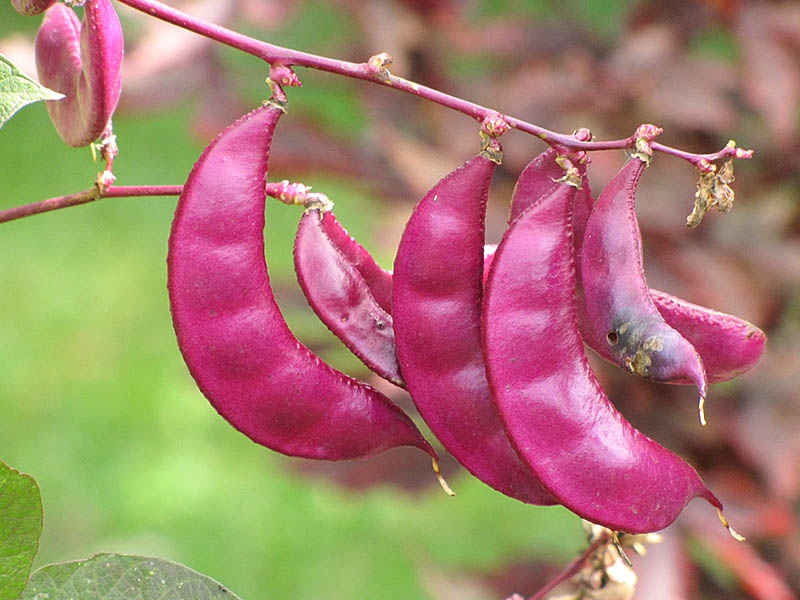
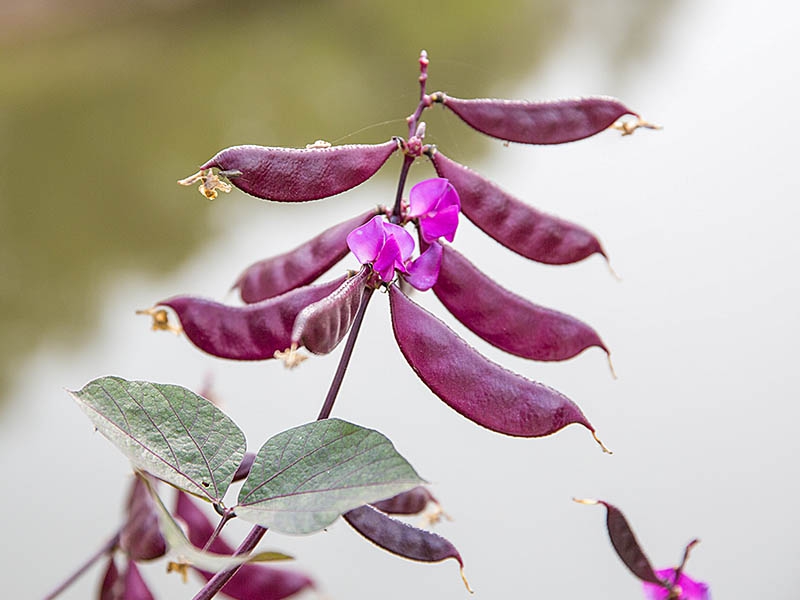
Let’s examine the growth characteristics, propagation methods, cultivation methods, garden uses, and major pests and diseases, as well as control methods, of Lablab purpureus. Growth Characteristics Lablab purpureus is a vining plant that thrives in warm climates. It can grow to a height of 3 to 6 meters and features a variety of flower colors, including white, pink, and purple. It has a fast growth rate and excellent adaptability to soil conditions; in particular, its nitrogen-fixing ability helps improve soil fertility. Propagation Methods It is primarily propagated by seeds. Seeds can be planted directly in the soil or germinated indoors before transplanting. The optimal germination temperature is 18–30 degrees Celsius, and seeds usually germinate within 1–2 weeks of planting. Cultivation Methods - Soil and Location: It grows well in well-drained soil and requires a location with sufficient sunlight. - Watering: Water thoroughly in the early stages, but it is relatively drought-tolerant once mature. 3. Fertilizer: Frequent fertilization is not necessary, but nitrogen-containing fertilizers can be used to aid early growth. - Support: As it is a vining plant, providing support will help it grow better. Uses in the GardenWith its showy flowers and unique leaf shape, the Japanese quince is excellent for garden decoration. It provides a superior decorative effect when grown as a vine on fences or arched structures. Additionally, due to its nitrogen-fixing ability, it is suitable for intercropping with other crops. Important Pests and Control Methods While the Japanese quince is resistant to insects and diseases, the following issues may occasionally occur: - Aphids: Aphids may appear on the leaves or stems. To prevent this, organic insecticides can be used, or natural predators can be utilized. - Root Rot: Root rot can occur in cases of excessive moisture, so thorough drainage management is essential. - Powdery Mildew: Using fungicides is effective for the early symptoms of powdery mildew. Based on the information above, try successfully growing the flat-headed Purpureus and using it in your garden.
Plant Family
legumes
Height
2~3m
Colors
Pink, purple
Bloom Period
July to September
Water Needs
commonly
Exposure
Sunny
Freezing Resistance
-5°C
Orchid annulus
Laelia anceps
Golden chain tree 'Adami'
Laburnocytisus hybrid
'Adamii'