English
한국어
English
Español
中文
हिंदी
Home
News
Community
Dictionary
English
한국어
English
Español
中文
हिंदी
View list
Gourd
Lagenaria siceraria
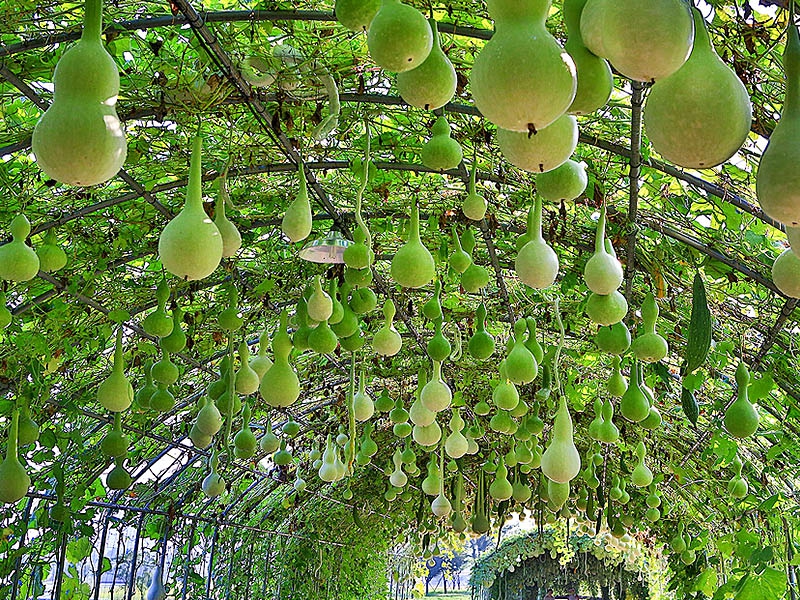
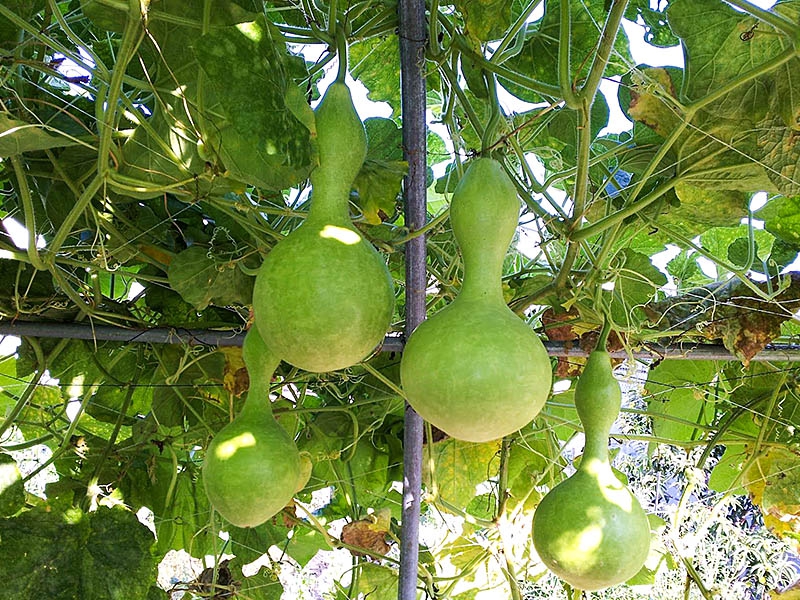
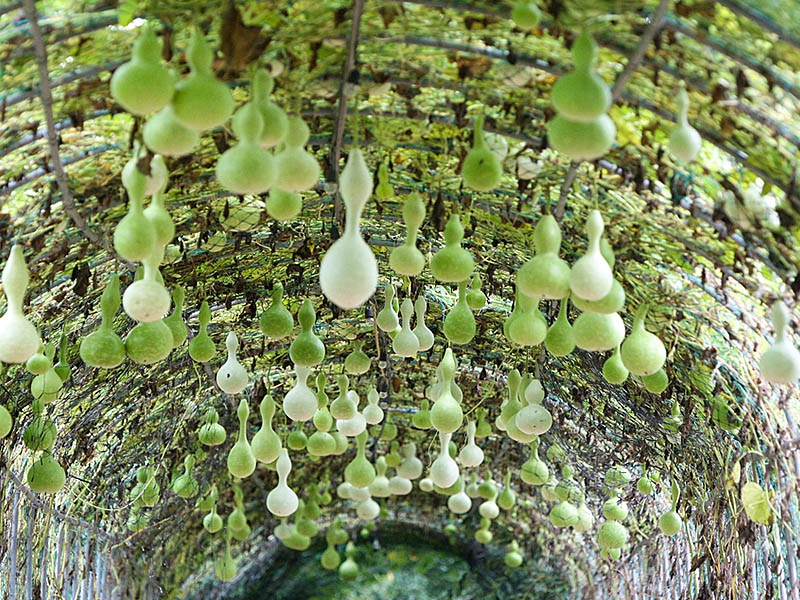
Growth Characteristics of the Gourd (Lagenaria siceraria) The gourd is a vining plant that prefers tropical and subtropical climates. It thrives primarily during the summer and exhibits optimal growth in well-drained soil with ample sunlight. The vines grow to an average height of 3–5 meters, producing lush foliage and white flowers. Propagation Methods Gourds are typically propagated by seeds. Seeds are germinated indoors in the spring and planted outdoors when the minimum temperature is above 15 degrees Celsius. Seeds should be planted 2–3 cm deep, and it is important to maintain adequate moisture until sprouts emerge. Cultivation Methods - Growing Environment: A sunny location and well-drained soil are required. - Planting: Create ridges and plant the seeds at spaced intervals. - Watering: Water should be provided periodically, with particular care taken during dry periods. - Support Stakes: Installing support stakes that facilitate vine growth makes efficient use of space. Use in the Garden Gourds are primarily used as vines in gardens and are effective for covering arches or fences. The fruit can be harvested and used for food, cooking, or decoration. Important Pests and Diseases and Control Methods - Diseases: Downy mildew and powdery mildew may occur. To prevent this, it is recommended to ensure good ventilation and avoid overcrowding. - Pests: Pests such as aphids and moths may appear. If pests occur, they can be controlled using eco-friendly insecticides or natural enemies. Ladybugs can be utilized when employing natural enemies. Regular observation and proper management are key factors in gourd cultivation.
Plant Family
Cucurbitus
Height
20~45cm
Spread
9m
Colors
white
Bloom Period
July~August
Water Needs
commonly
Exposure
semi-shaded area
Freezing Resistance
10°C
Lailia Purpurata
Laelia purpurata
Gourd
Lagenaria leucantha
var.
gourda