English
한국어
English
Español
中文
हिंदी
Home
News
Community
Dictionary
English
한국어
English
Español
中文
हिंदी
View list
crape myrtle
Lagerstroemia indica
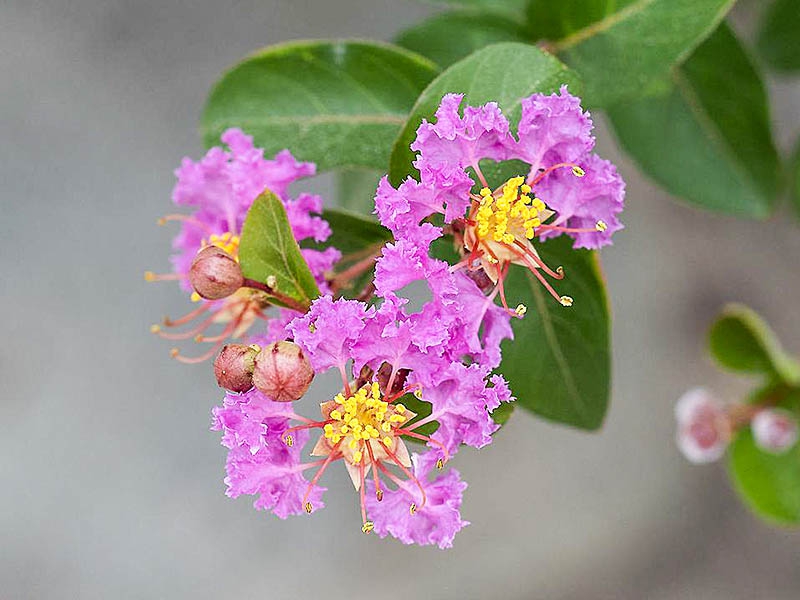
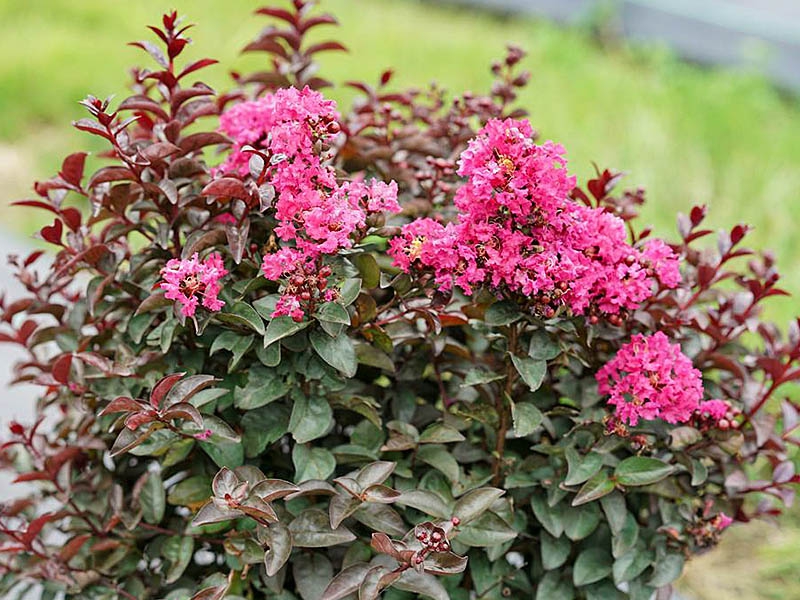
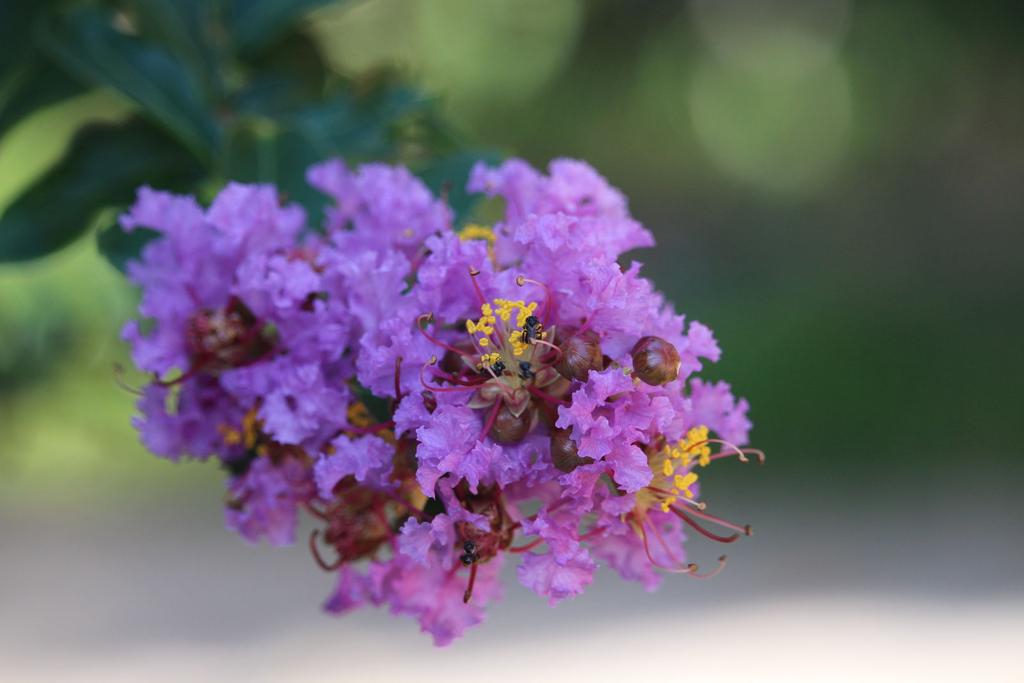
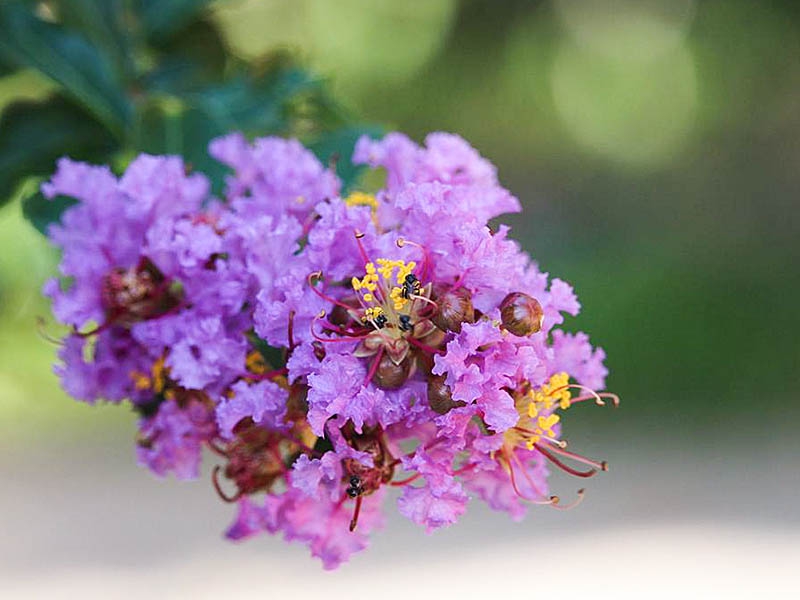
Lagerstroemia indica is a plant widely used in gardens and landscapes due to its beautiful flowers and attractive bark. The growth characteristics, propagation methods, cultivation methods, garden uses, major pests, and control methods for this plant are summarized below. Growth Characteristics The crape myrtle is a deciduous tree native to Asia, including China and Korea. It grows relatively quickly, eventually reaching a height of 3 to 5 meters. It blooms with showy flowers in pink, purple, and white from summer to early autumn. While it is relatively cold-hardy, it thrives better in warmer regions. Propagation Methods The crape myrtle is primarily propagated by seeds or cuttings. - Seed Propagation: Sow seeds in the spring and water thoroughly to promote germination. - Cuttings: New plants can be obtained by cutting healthy branches in the summer. Cultivation Methods The crape myrtle grows well in sunny locations. - Soil: It is recommended to cultivate in well-drained soil. - Watering: Water thoroughly during dry periods, but avoid overwatering. - Pruning: Pruning in winter can help shape the tree and increase the amount of blooming. Uses in the Garden Crape myrtle is primarily used in neighborhood parks, gardens, and for landscaping. It is popular as an ornamental plant due to its beautiful bark and flowers. It can add a special focal point to dry gardens or gardens featuring substantial flowers. Major Pests and Control Methods While crape myrtle is naturally resistant to pests and diseases, the following require attention: - Powdery mildew: Powdery mildew can occur under dry conditions. Proper moisture management and ventilation are necessary to prevent this. - Aphids: Aphids may appear in spring or early summer. To eliminate them, natural predators can be used, or a soapy water spray can be applied. - Crape Myrtle: Crape Myrtle causes brown spots on the leaves, so control it using an appropriate fungicide upon early detection. Based on the characteristics and methods mentioned above, we hope you manage your crape myrtle effectively and enjoy tending to your garden.
Plant Family
family Lythraceae
Height
5m
Colors
red
Bloom Period
July to September
Water Needs
commonly
Exposure
Sunny
Freezing Resistance
-10°C
White crape myrtle
Lagerstroemia indica
f.
alba
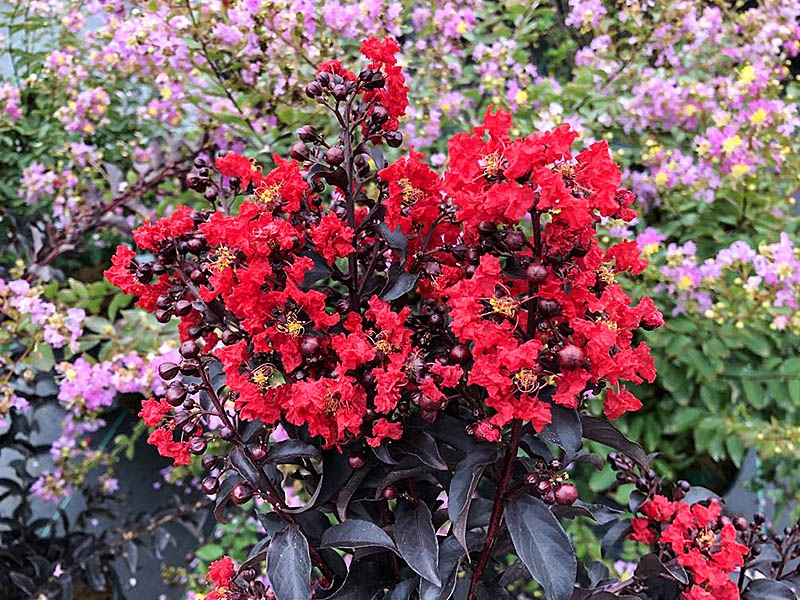
Crape myrtle 'Ebony Flame'
Lagerstroemia indica
'Ebony Flame'