English
한국어
English
Español
中文
हिंदी
Home
News
Community
Dictionary
English
한국어
English
Español
中文
हिंदी
View list
Piquetbergensis
Lampranthus piquetbergensis
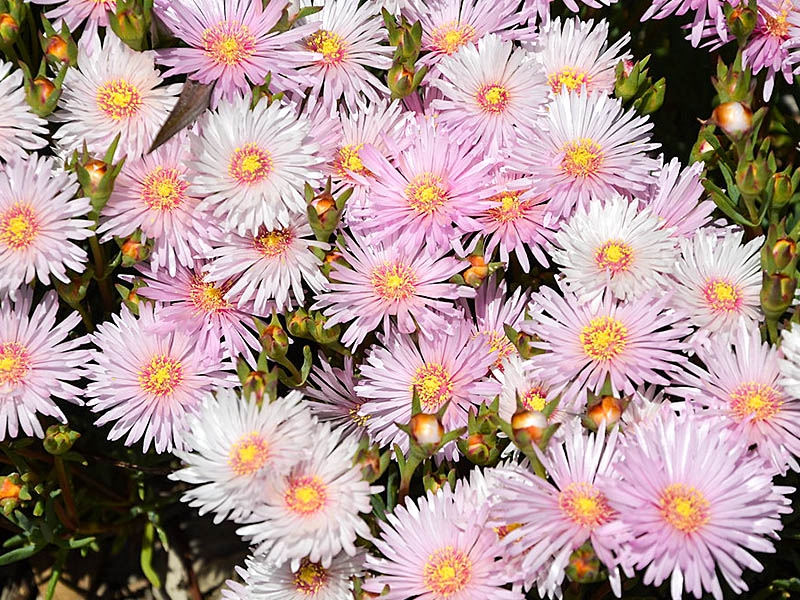
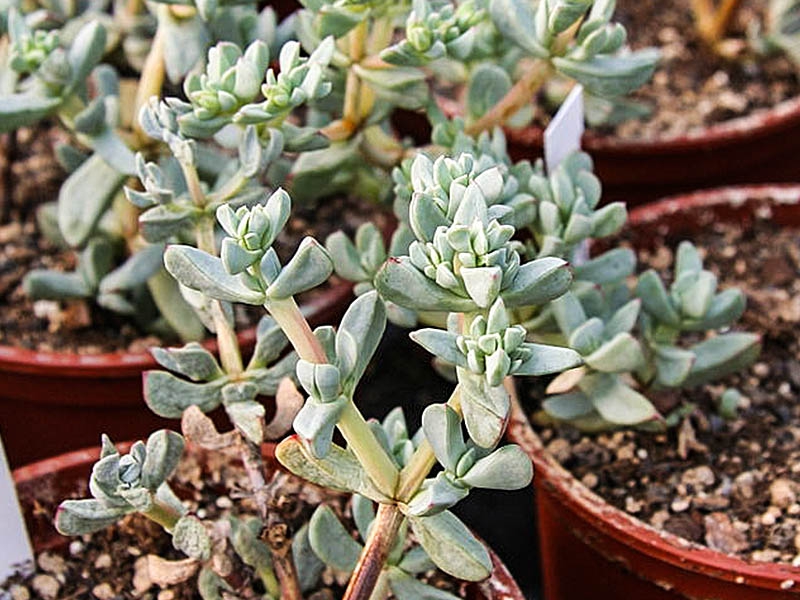
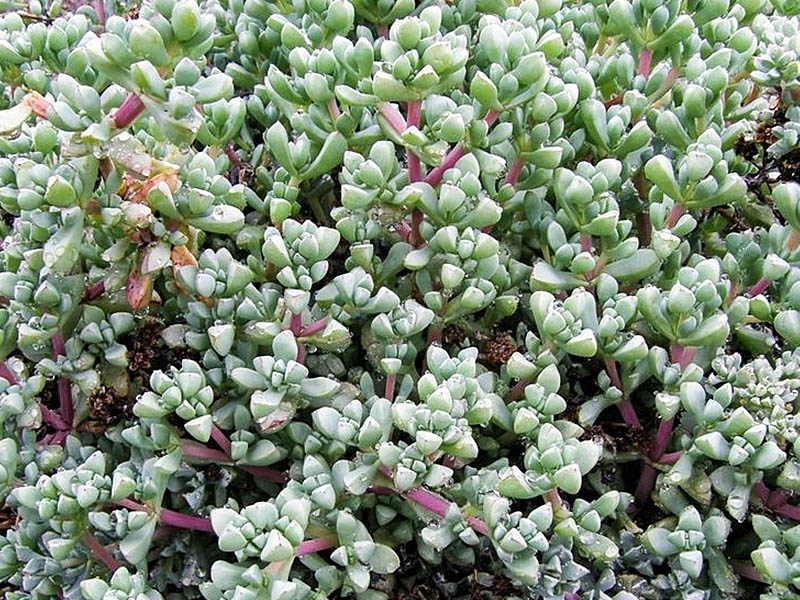
Lampranthus piquetbergensis is a succulent plant that grows naturally, primarily in the arid regions of South Africa. The following is information regarding this plant's main growth characteristics, propagation methods, cultivation methods, garden uses, and major pests and diseases and control methods. - Growth Characteristics: - It has a sparse branch structure and thick, succulent leaves. - It prefers bright sunlight and thrives in dry environments. - It prefers well-draining soil. - Propagation Methods: - It is mainly propagated by cuttings and seeds. - Cuttings are typically taken in spring and autumn; a healthy stem is cut off and planted in well-draining soil. - For seed propagation, sow the seeds on a potting mix of sand and soil and lightly cover them. - Cultivation Methods: - Plant in a sunny location and avoid overwatering. Water only after confirming that the soil is completely dry. - Reduce watering during the winter and store in a cool place. - Use in the Garden: - It is excellent for garden decoration as you can appreciate its unique leaves and flowers. - It blends well with stone or gravel areas, making it suitable for rock gardens. - Important Pests and Control Methods: - Be careful with watering, as overwatering can lead to root rot. - Spider mites and scale insects may occur, so special care must be taken to control them. In cases of severe infestation, insecticides can be used, or natural predators can be utilized. The Pine Needle Chrysanthemum (Piquet bergensis) is a relatively easy plant to care for; it can grow healthily with proper light and water management. It is popular among many plant enthusiasts as it can add vibrancy and a unique atmosphere to the garden.
Plant Family
Pomegranate family
Height
30∼55cm
Colors
pink
Bloom Period
June to August
Water Needs
Bad
Exposure
Sunny
Freezing Resistance
-5°C
Roseus
Lampranthus roseus
Songyeopguk multiceriatus
Lampranthus multiseriatus