English
한국어
English
Español
中文
हिंदी
Home
News
Community
Dictionary
English
한국어
English
Español
中文
हिंदी
View list
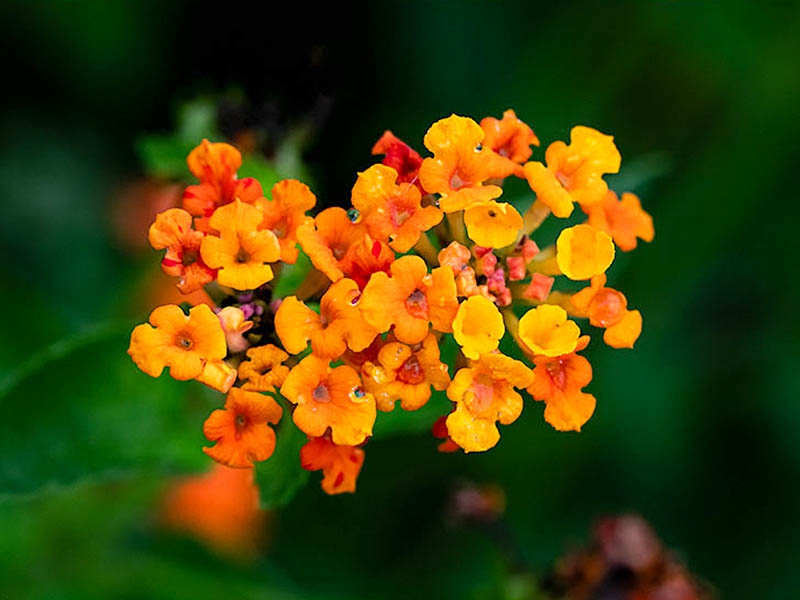
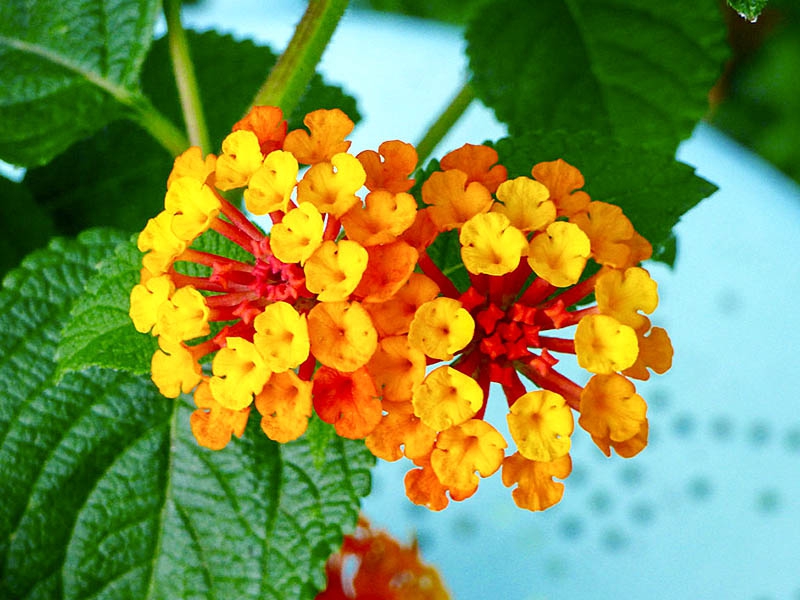
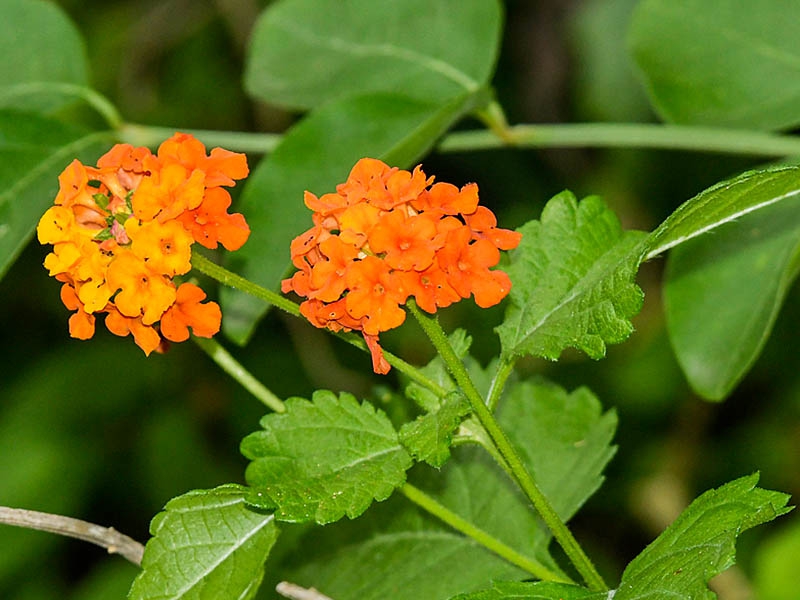
Lantana urticoides
Lantana urticoides
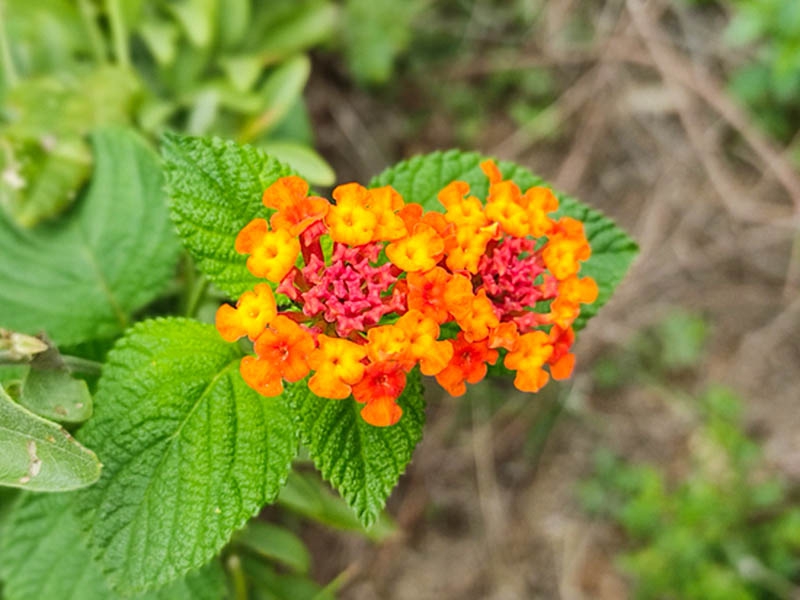
I will explain the growth characteristics, propagation methods, cultivation methods, garden uses, and pest and disease control methods of Lantana urticoides. - Growth Characteristics: Lantana urticoides is an evergreen shrub that thrives in warm climates and is particularly resistant to hot and dry environments. It can grow to a height of approximately 1 to 2 meters, and its colorful flowers add a splendid atmosphere to the garden. It primarily blooms in summer and autumn. - Propagation Methods: It is propagated by seeds or cuttings. For seed propagation, seeds can be collected from mature fruits and planted immediately. When using cuttings, propagation can be performed using cut stems in the spring when the growing season begins. - Cultivation Methods: Lantana prefers well-drained soil and requires moderate sunlight. When planting, it is best to select a location with good drainage. Caution should be exercised, as excessive watering can actually cause root rot. - Garden Use: Lantana features vibrant flowers and a strong, hardy nature, making it well-suited for hedges or centerpieces. It also offers weed control, allowing for versatile applications. - Major Pests and Control Methods: Common pests include aphids and spider mites. Using an eco-friendly soap solution or washing with water can be effective methods for control. Adequate ventilation and sunlight help prevent infection. As for diseases, root rot caused by excessive moisture is a concern, so attention must be paid to drainage management. Based on this information, you will be able to effectively utilize Lantana urticoides in your garden.
Plant Family
Verbenus
Height
60~90cm
Spread
120~180cm
Colors
yellow, orange
Bloom Period
April to August
Water Needs
commonly
Exposure
Sunny
Freezing Resistance
-10°C
Lantana Camara
Lantana camara
Lantana involucrat
Lantana involucrata