English
한국어
English
Español
中文
हिंदी
Home
News
Community
Dictionary
English
한국어
English
Español
中文
हिंदी
View list
Lantana involucrat
Lantana involucrata
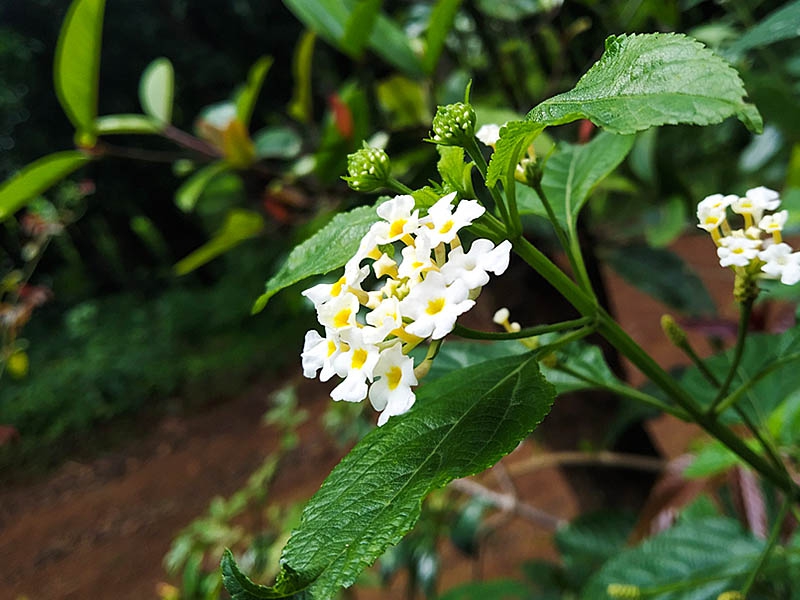
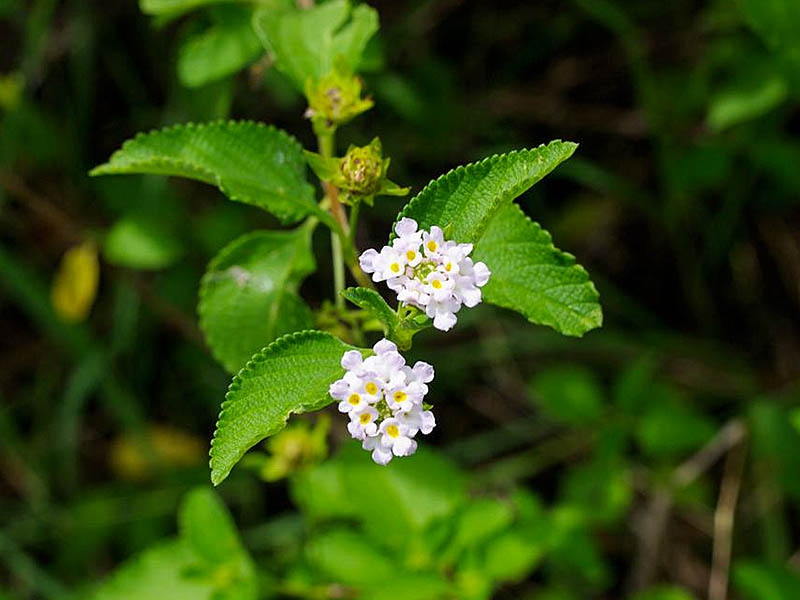
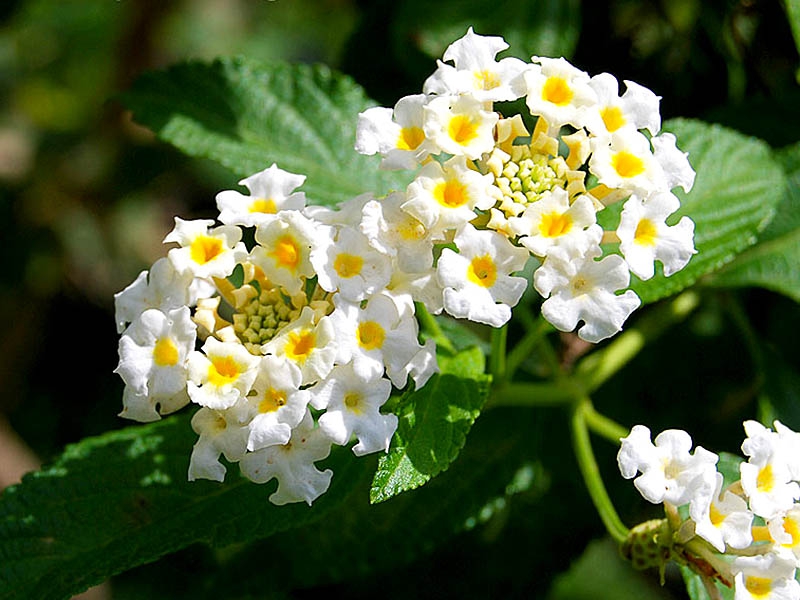
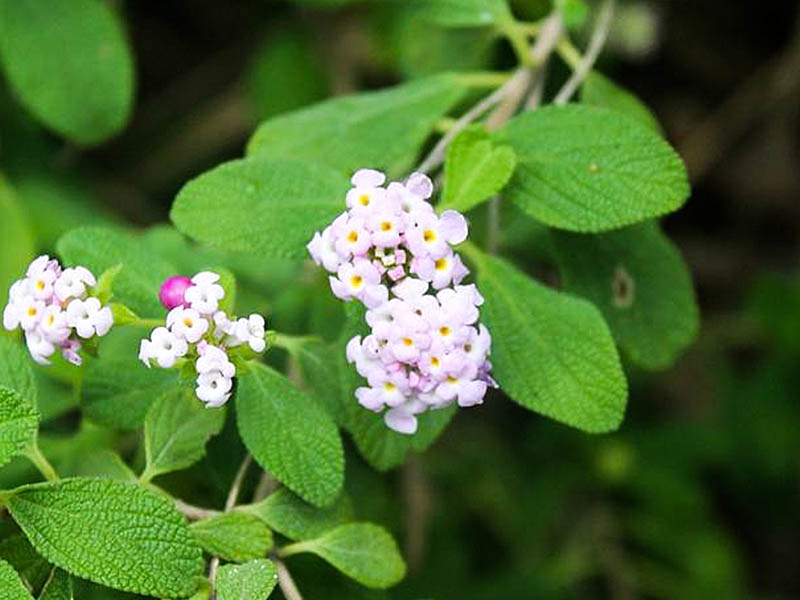
Lantana involucrata has the following characteristics regarding growth, propagation, cultivation, garden use, and major pests and diseases and control methods. - Growth Characteristics: Lantana involucrata is an evergreen shrub that generally thrives in tropical and subtropical climates. It grows to a height of approximately 1 to 2 meters, and its leaves are oval-shaped with a rough texture. The flowers display a variety of colors and provide a spectacular sight when in bloom. - Propagation: It can be propagated by seeds and cuttings. Seeds can be obtained from mature fruits, while healthy branches are cut in spring or summer for cuttings. Cuttings develop roots quickly and have a high success rate. - Cultivation: Lantana grows optimally in well-drained soil and an environment with abundant sunlight. It is important to water moderately, and overwatering should be avoided. It is beneficial to provide fertilizer appropriately during the growing season. - Use in the Garden: This plant is popular as an ornamental plant in gardens due to its showy flowers and fragrance. It also thrives in coastal areas thanks to its drought and salt tolerance. It can be used as a small hedge or a boundary plant. - Important Pests and Control Methods: Lantana can be susceptible to pests such as aphids, mites, and powdery mildew. Aphids and mites can be controlled by washing them off with water or using insecticides, while powdery mildew can be prevented with proper air circulation and fungicides. Regular plant inspections and proper care are required. Based on this information, you can maintain a beautiful landscape by properly caring for Lantana involucrata.
Plant Family
Verbenus
Height
90~150cm
Spread
30~150cm
Colors
white
Bloom Period
March to August
Water Needs
commonly
Exposure
Sunny
Freezing Resistance
-5°C
Lantana urticoides
Lantana urticoides
Lantana Montevidensis
Lantana montevidensis