English
한국어
English
Español
中文
हिंदी
Home
News
Community
Dictionary
English
한국어
English
Español
中文
हिंदी
View list
Zelkova tree
Zelkova serrata
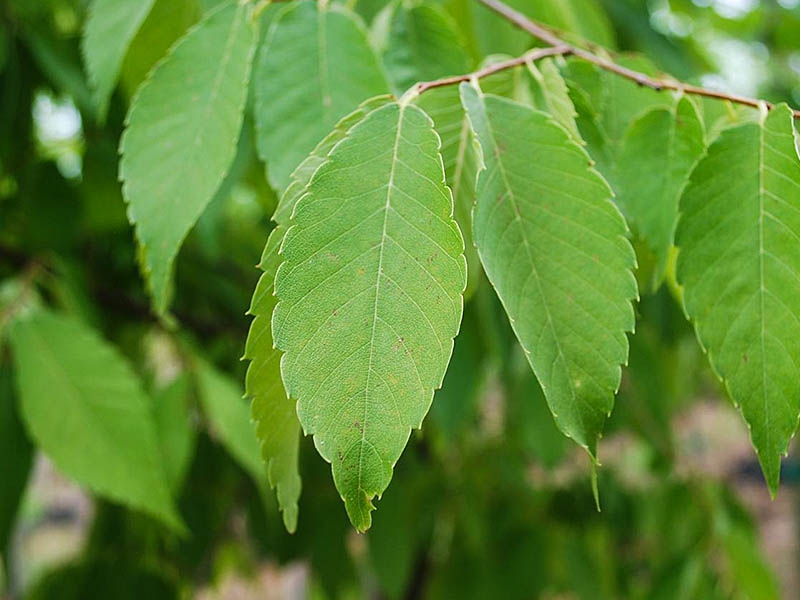
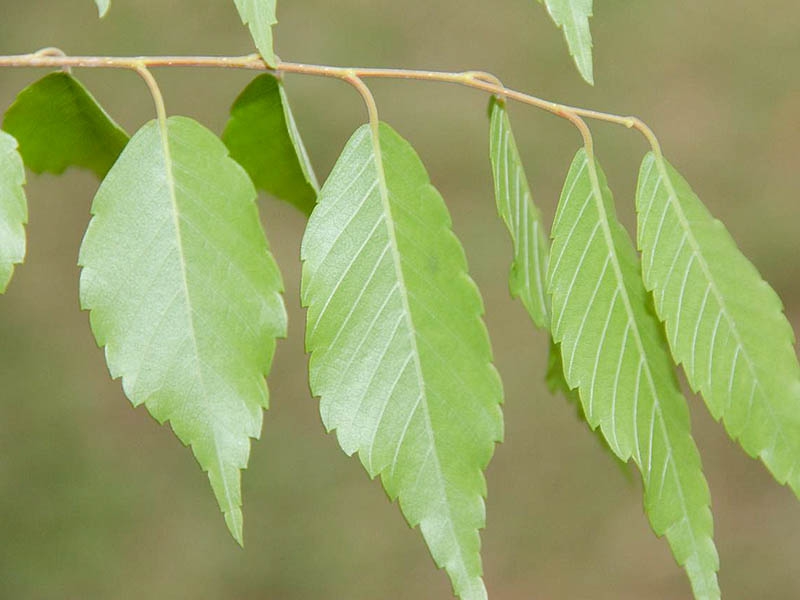
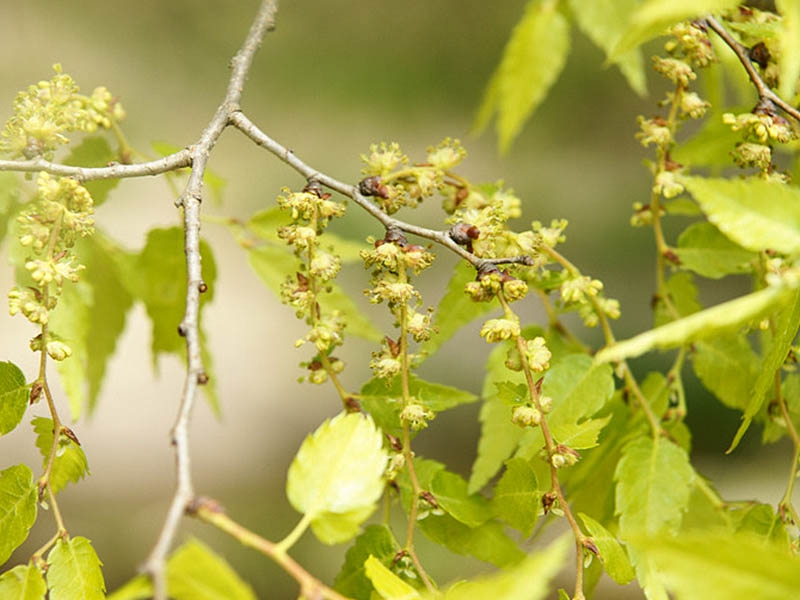
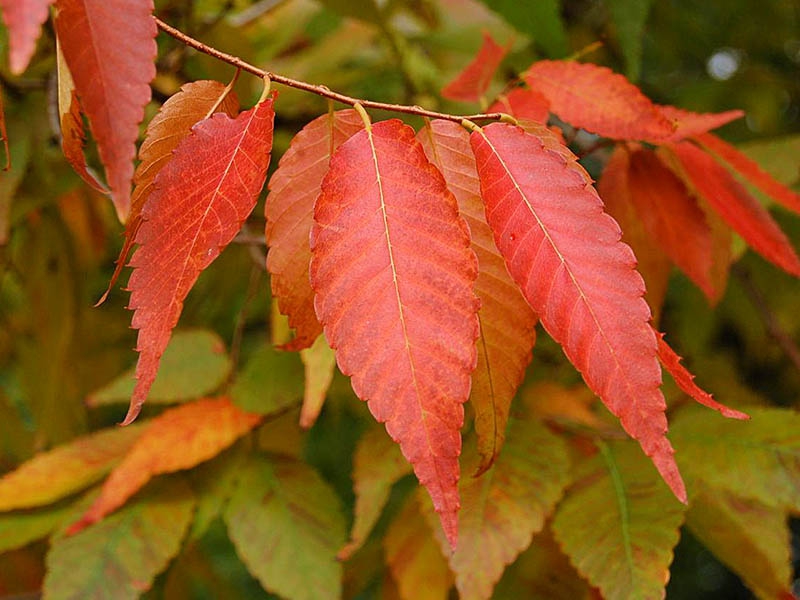
Zelkova serrata is a deciduous tree native to East Asia, including Korea, Japan, and China, and possesses the following growth characteristics: - Growth Characteristics - Size: Mature trees grow to a height of 20–30 meters and a circumference of 1–2 meters. - Leaves: The leaves are alternate and have serrated edges. The leaf color changes from green in the summer to orange and red in the autumn. - Bark: The bark ranges from gray to brown, and it is unique in that it peels off in pieces over time. - Flowers and Fruits: Small flowers bloom in the spring, and small drupes bear fruit in the autumn. - Propagation Methods - Seed Propagation: Seeds can be collected from ripe fruits in the autumn and then either planted in the spring (prepared and sown) or sown directly in the autumn. However, the germination rate is not very high. - Cuttings: Branch cuttings can be used during the summer. Maintaining appropriate moisture and temperature promotes root growth. - Cultivation Methods - Soil: Fertile, well-drained soil is suitable. - Location: It thrives in sunny locations. - Watering: Supplemental watering is necessary during dry periods, but overwatering should be avoided. - Fertilizer: Applying appropriate fertilizer during the growing season (spring and summer) helps promote healthy growth. - Use in Gardens - Zelkova trees are highly popular as garden trees, providing shade and creating beautiful autumn scenery. They are also frequently planted in parks and as street trees. - Major Pests and Diseases and Control Methods - Diseases: Root rot and strawberry mummification may occur. Manage the plant in well-drained soil and use appropriate pesticides if disease symptoms appear. - Pests: Aphids and wood borers can cause damage. Upon early detection, it can be controlled through physical removal and appropriate insecticides. Zelkova serrata is a highly valued tree for various gardens and landscaping purposes due to its excellent adaptability to the environment in addition to its scenic value. It can be maintained in a healthy state through proper care and appropriate pest and disease control.
Plant Type
Plant Family
Elm family
Height
26m
Spread
Colors
yellow
Bloom Period
April~May
Water Needs
commonly
Exposure
Sunny
Freezing Resistance
-30°C
corner
Zea mays
Zenobia Fulberulenta
Zenobia pulverulenta