English
한국어
English
Español
中文
हिंदी
Home
News
Community
Dictionary
English
한국어
English
Español
中文
हिंदी
View list
Western dogwood
Lapsana communis
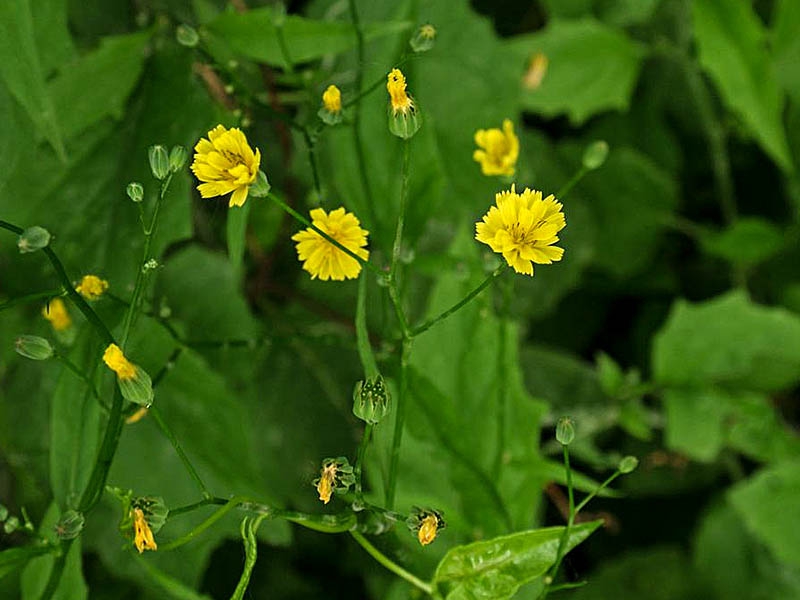
Lapsana communis is a plant belonging to the Asteraceae family that thrives primarily in moist, shady areas. It typically grows to a height of 30 to 100 cm, and its leaves are soft and serrated. The flowers are yellow and bloom during the summer. Growth Characteristics - Environment: Lapsana communis prefers moist soil and semi-shaded environments. - Growth Rate: It grows relatively quickly and thrives rapidly under suitable conditions. - Soil: It grows well in soil rich in organic matter. Propagation Methods - Seed Propagation: It produces seeds after flowering and reproduces through these seeds. - Self-Sowing: Seeds that fall from mature plants naturally grow in the surrounding area. Cultivation Methods - Sowing Time: Seeds can be sown directly or transplanted in the spring. - Soil Preparation: Prepare well-draining, organic-rich soil. - Watering: Regular watering is necessary; provide ample water, especially during dry periods. Uses in the Garden - Ornamental: Used around street trees or to create a natural landscape in the garden. - Wildflower Garden: Planted alongside other wildflowers to create a natural atmosphere. Important Pests and Control Methods - Diseases: Root rot may occur due to excessive moisture, and leaf spot may develop. - Prevention: Maintain proper drainage and ensure good ventilation by spacing plants sufficiently apart. - Pests: Pests such as aphids may occur. - Control: If pests appear, they can be removed by using appropriate insecticides or washing with water. European Barberry is useful for natural garden design and is an easy-to-care-for plant provided the right environment is provided.
Plant Family
Asteraceae
Height
20~120cm
Colors
yellow
Bloom Period
June to September
Water Needs
commonly
Exposure
Sunny
Freezing Resistance
-10°C
Shade barley
Lapsanastrum humile
Larch ghmelini var. pringipes-luprectii
Larix gmelinii
var.
principis-rupprechtii