English
한국어
English
Español
中文
हिंदी
Home
News
Community
Dictionary
English
한국어
English
Español
中文
हिंदी
View list
Larch ghmelini var. pringipes-luprectii
Larix gmelinii
var.
principis-rupprechtii
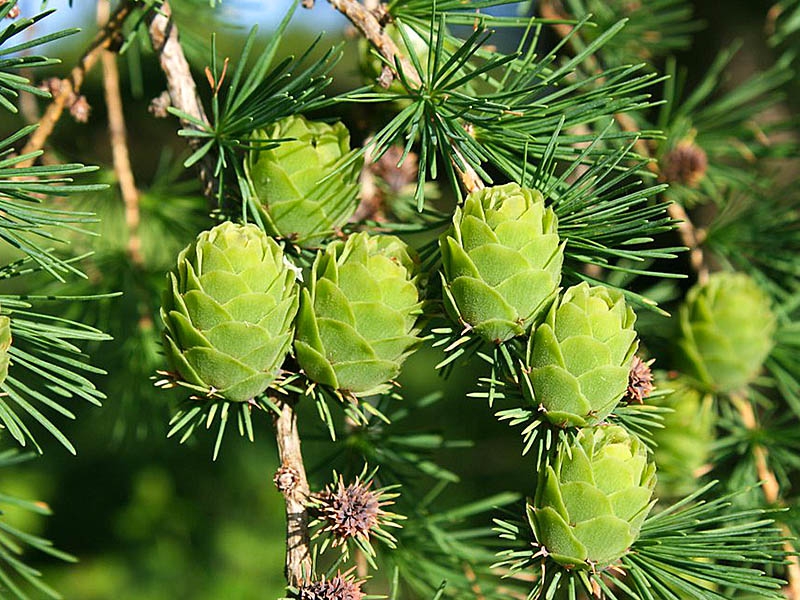
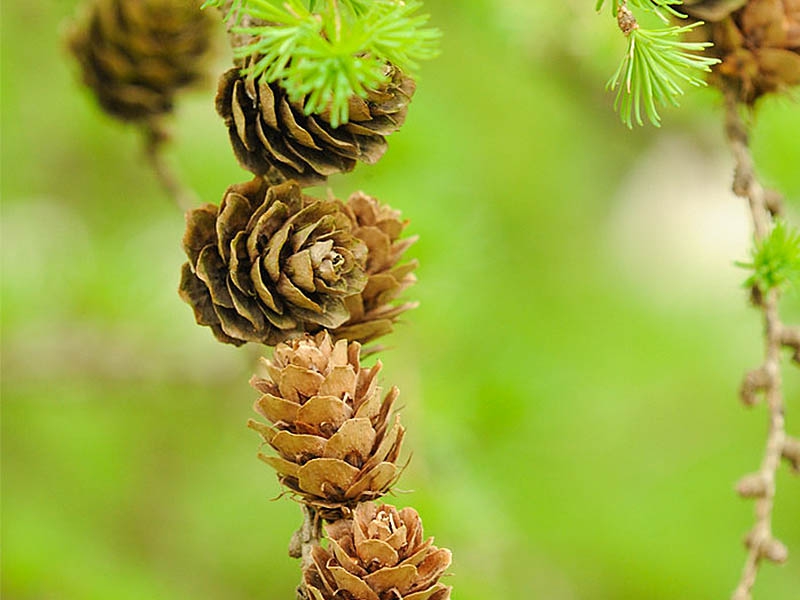
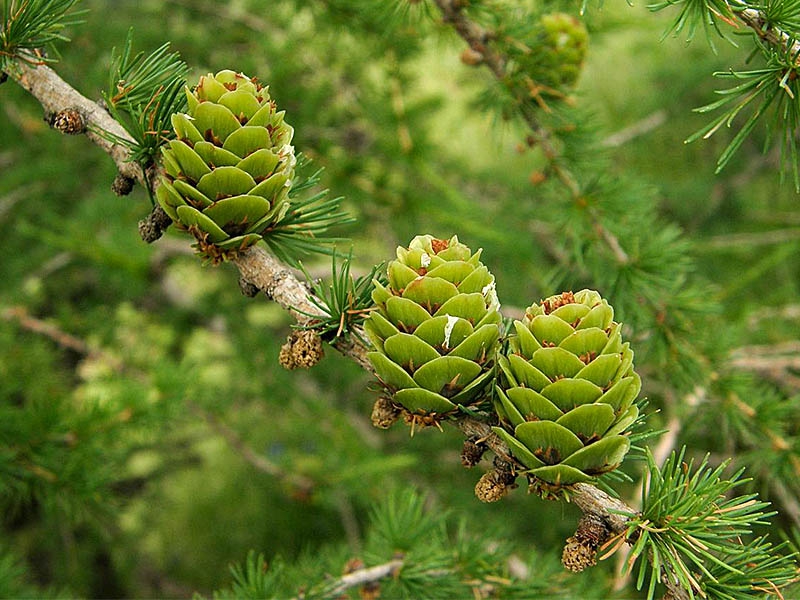
Growth Characteristics Larix ghmelini var. pringipes-luprectii is tolerant of cold climates and thrives primarily in temperate climates. This tree grows tall; as a conifer, its leaves are slender and long, turning yellow in the autumn. Propagation Methods This tree is primarily propagated by seeds. Seeds collected in the autumn may require refrigeration during the winter to undergo a "spring snow stratification" treatment. Sow in the spring to induce germination. Cultivation Methods - Soil: It grows best in well-drained soil. It prefers acidic soil. - Moisture Management: Provide sufficient moisture initially. After maturity, it grows well even in relatively dry conditions, but requires moderate watering. - Sunlight: It thrives in sunny locations but can also grow in partial shade. Uses in Gardens This tree can be planted in arboretums or gardens to enhance the landscape. It is popular for landscaping purposes as it turns a beautiful golden color in the autumn. Major Pests and Diseases and Control Methods - Diseases: This tree is susceptible to various fungal diseases, and periodic fungicide treatment may be necessary. - Pests: Damage may occur due to leaf beetles or other pests; control measures should be taken using appropriate insecticides if necessary. Preventive measures, such as ensuring adequate ventilation and proper care, can reduce the occurrence of pests. It is important to take immediate control measures if damage is detected.
Plant Family
Pine family
Height
15~50m
Colors
Green, brown
Bloom Period
April to June
Water Needs
commonly
Exposure
Sunny
Freezing Resistance
-40°C
Western dogwood
Lapsana communis
Japanese larch
Larix kaempferi