English
한국어
English
Español
中文
हिंदी
Home
News
Community
Dictionary
English
한국어
English
Español
中文
हिंदी
View list
Japanese larch
Larix kaempferi
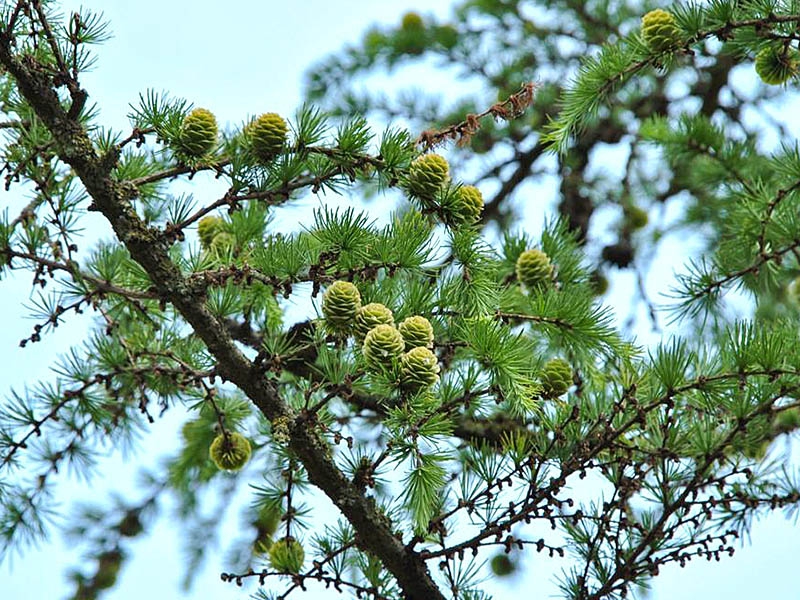
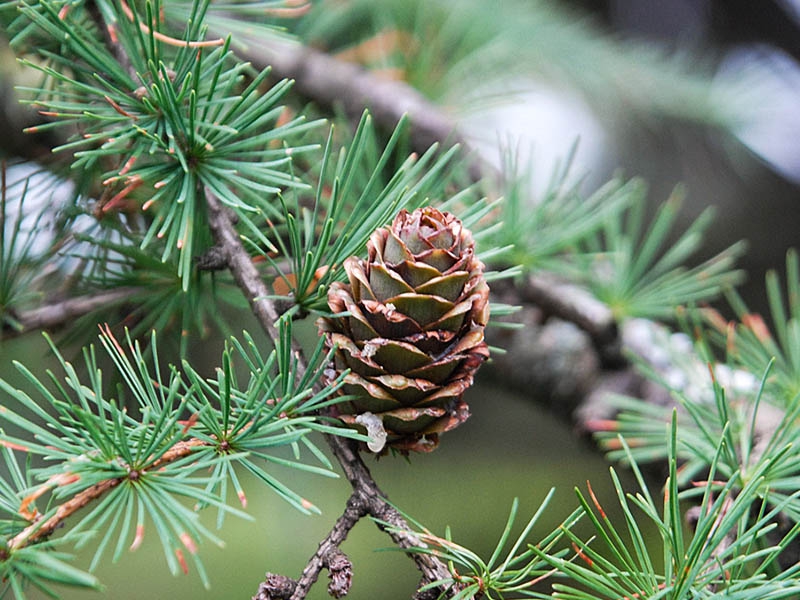
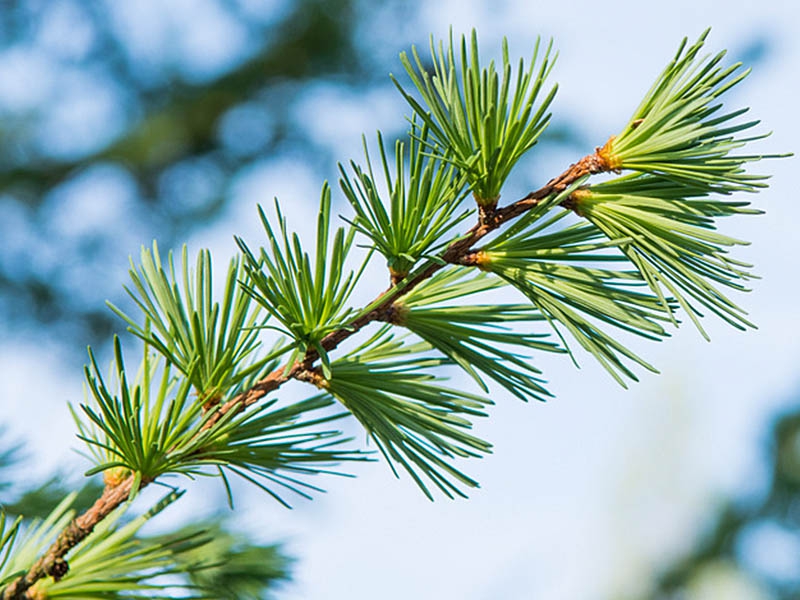
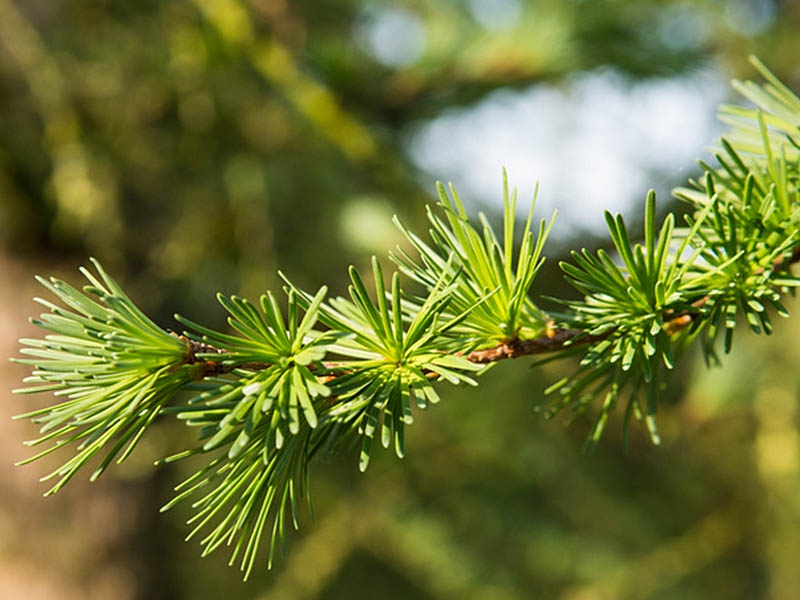
Japanese larch (Larix kaempferi) is a deciduous conifer native to Japan that is widely used as a landscaping tree due to its beautiful form and leaf color variations. The following is information regarding the growth characteristics, propagation methods, cultivation methods, garden uses, and pest and disease control methods of the Japanese larch. Growth Characteristics - Size: Mature trees can grow up to 20 to 30 meters tall. - Tree Shape: It grows in a conical shape, with branches drooping downwards in its mature stage. - Leaves: They are light green in spring and summer, turning golden in autumn to provide a beautiful landscape. - Climate: It prefers a cold climate and thrives in cool, humid environments. - Soil: It exhibits optimal growth in well-drained acidic or neutral soil. Propagation Methods - Seed Propagation: The Japanese larch is primarily propagated by seeds. Seeds are collected in the autumn, stored in a refrigerator, and sown in the spring. - Propagation by Cuttings: Although the success rate of cuttings is low, it is possible if the appropriate environment is provided. Cultivation Method - Planting Location: Select a sunny location and plant in well-draining soil. - Watering: Consistent watering is required during the initial establishment period, but once established, it can tolerate slight drought. - Fertilization: Apply a tree-specific fertilizer once a year in late winter or early spring to promote the growth of new shoots. Uses in the Garden - Japanese larch can be planted individually or in clusters in gardens or parks, utilizing its form and color variations. - It is advantageous for landscape design as one can enjoy the golden change of its leaves in autumn. Important Pests and Diseases & Control Methods - Diseases: Japanese larch can be susceptible to fungal diseases; to prevent this, avoid excessive moisture and create a well-ventilated environment. - Pests: Common infestations include pine needle gall midges; control measures should be taken using appropriate insecticides if necessary. - Control Methods: As a preventive measure, improve the tree's growing environment by providing appropriate fertilizer, watering, and periodic pruning to maintain healthy trees. Based on this information, you can grow healthy Japanese larch trees and enjoy a beautiful landscape in your garden.
Plant Family
Pine family
Height
30m
Spread
1m
Colors
yellow
Bloom Period
April~May
Water Needs
commonly
Exposure
Sunny
Freezing Resistance
-40°C
Larch ghmelini var. pringipes-luprectii
Larix gmelinii
var.
principis-rupprechtii
larch
Larix gmelinii
var.
olgensis