English
한국어
English
Español
中文
हिंदी
Home
News
Community
Dictionary
English
한국어
English
Español
中文
हिंदी
View list
Muju tree
Lasianthus japonicus
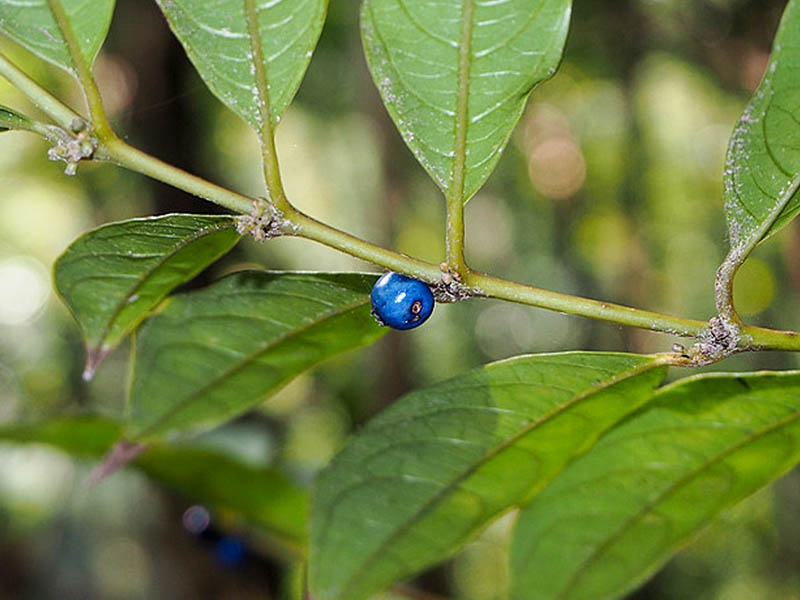
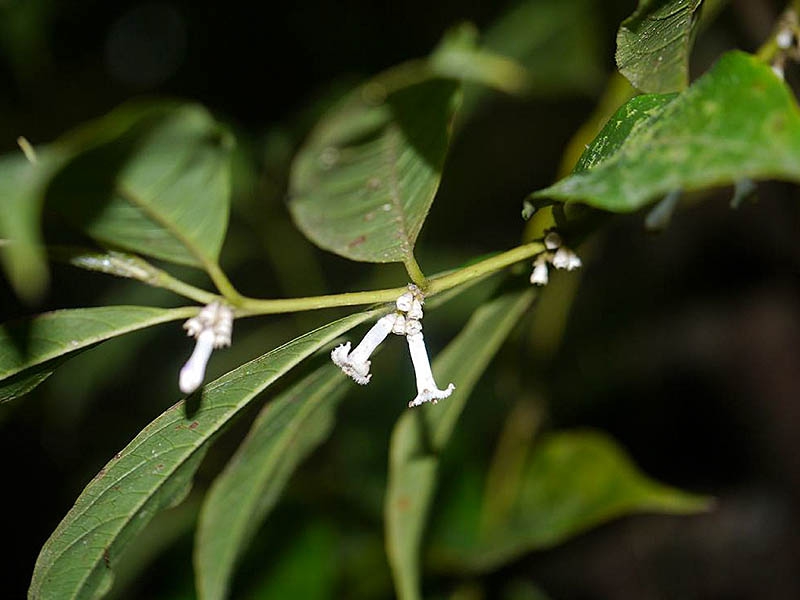
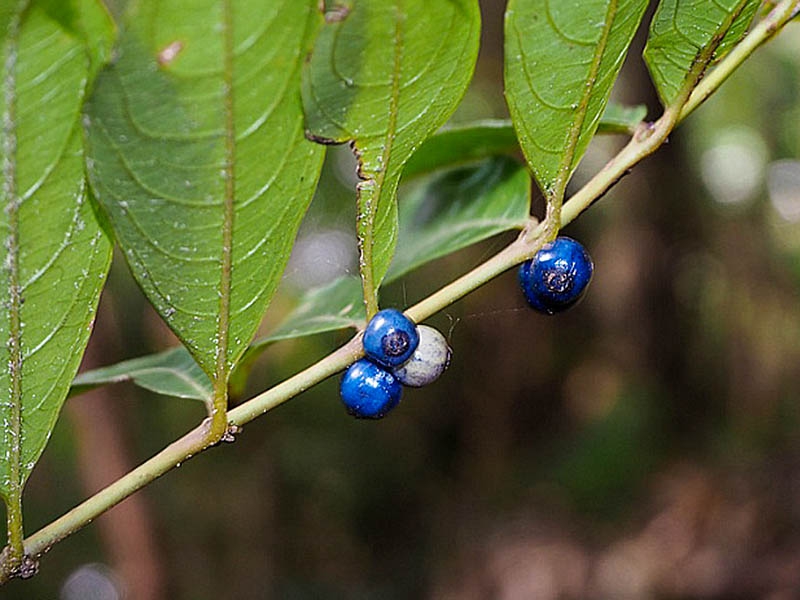
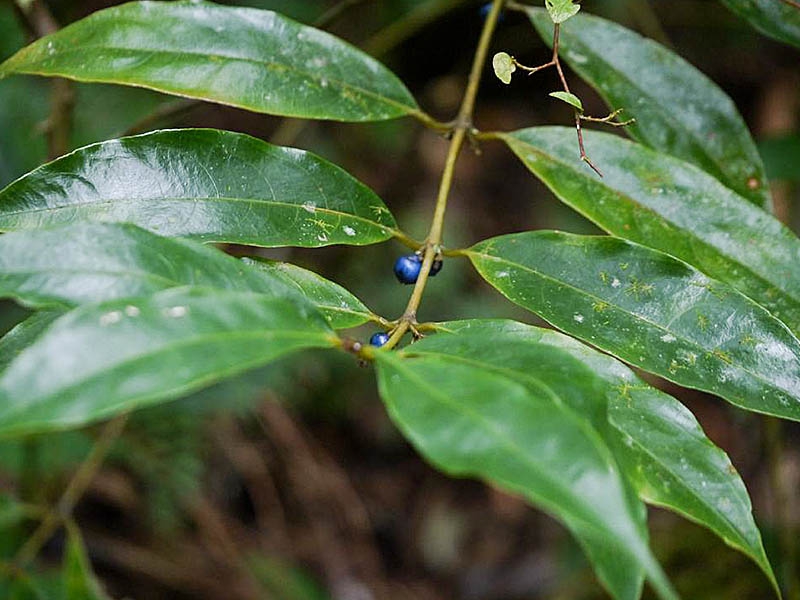
Lasianthus japonicus is a relatively lesser-known plant. Its growth characteristics, propagation methods, cultivation methods, garden uses, and major pests and control methods can be described as follows: Growth Characteristics - Environmental Conditions: Lasianthus japonicus prefers a mild climate and thrives in partially shaded environments. - Soil: It grows well in well-drained acidic to neutral soil. - Growth Rate: It exhibits a relatively slow growth rate, with a maximum height of approximately 1 to 2 meters. Propagation Methods - Seed Propagation: Propagation is possible via seeds, but the germination rate may be low. Seeds should be collected from mature fruits, washed thoroughly, and germinated in a location away from direct sunlight. - Cuttings: Although relatively difficult, propagation can be performed using branches grown from a mature tree. Cut a branch 10 to 12 cm in length and plant it in rooting medium. Cultivation Methods - Water Management: Avoid excessive watering and maintain a moist environment. - Fertilization: You can apply slow-release fertilizer in the spring. - Pruning: Minimal pruning is required to maintain the shape. Garden Uses Japonicus japonica is primarily used for ornamental purposes; planting it in a shady area allows you to appreciate its unique leaves and fruit. It also blends harmoniously with a variety of other plants. Important Pests and Control Methods - Diseases: Although relatively resistant to disease, root rot can occur due to excessive moisture. Thorough drainage management is essential to prevent this. - Pests: Common pests include aphids. It is recommended to wash them with water in the early stages or use organic insecticides if necessary. This information helps you cultivate and manage Japonicus japonica effectively.
Plant Family
Rubiaceae
Height
1~1.5m
Colors
white
Bloom Period
May~June
Water Needs
commonly
Exposure
semi-shaded area
Freezing Resistance
-15°C
Larea Tridentata
Larrea tridentata
Tall maiden fern
Parathelypteris nipponica