English
한국어
English
Español
中文
हिंदी
Home
News
Community
Dictionary
English
한국어
English
Español
中文
हिंदी
View list
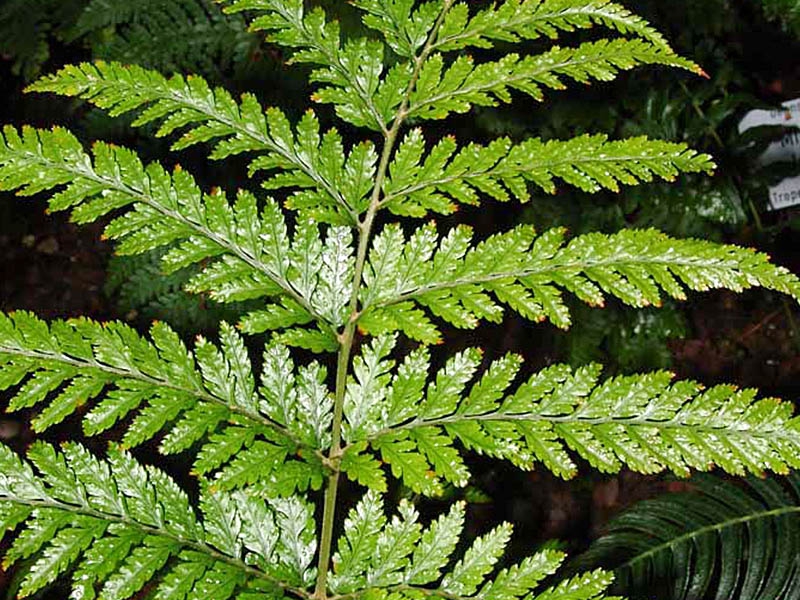
Tall maiden fern
Parathelypteris nipponica
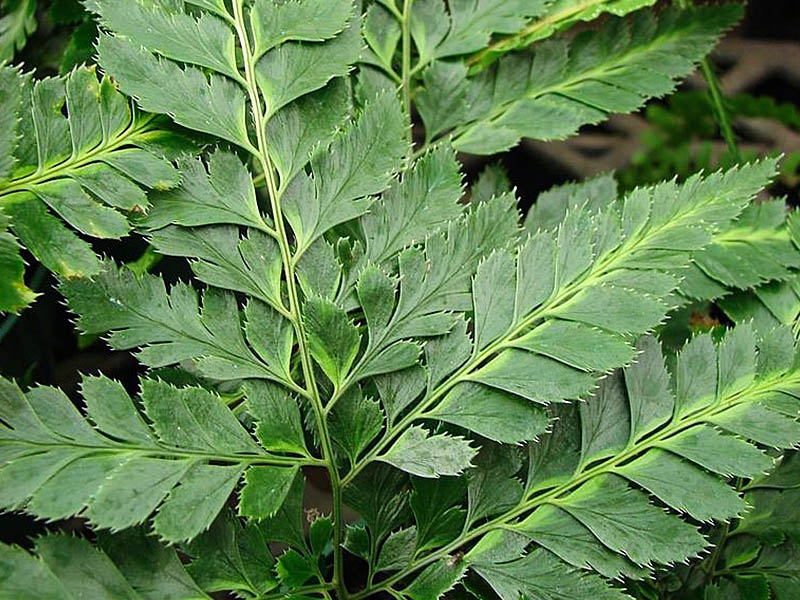
Parathelypteris nipponica has the following growth characteristics, propagation methods, cultivation methods, garden uses, and information on major pests and diseases and control methods. Growth Characteristics - Habitat: It thrives primarily in shady areas within forests and prefers moist soil. - Light Conditions: It can adapt to partial shade to full shade, but direct strong sunlight should be avoided. - Soil: It grows well in leaf mold that retains moisture and drains well. Propagation Methods - Spore Propagation: Like other ferns, it reproduces by spores, which mature between summer and early autumn. - Root Division: It can be propagated by dividing the roots; this method is best performed in spring or autumn. Cultivation Methods - Planting: It is best to plant in spring or autumn before the roots begin to grow. - Watering: Regular watering is necessary to prevent the soil from drying out. - Fertilizer: Adding a small amount of organic fertilizer in spring and autumn helps with growth. Uses in the Garden- Landscape Plant: Suitable for shady gardens; planting it alongside other shade plants adds a unique charm. - Wetland Garden: Planting it in a moist garden can enhance the natural feel. Important Pests and Control Methods- Diseases: Although the tall maidenhair fern is relatively resistant to diseases, care must be taken to prevent root rot caused by excessive moisture. - Pests: Rarely, it may be damaged by spotted weevils or aphids; this can be controlled through periodic observation and the use of insecticides when necessary. - Control Methods: Utilizing organic control methods, such as green manure oil, can reduce damage from pests and diseases. Based on this information, you can manage the tall maidenhair fern healthily and utilize it in your garden.
Plant Family
Myeonma-gwa
Height
40~60cm
Colors
sporophyte
Bloom Period
July to September (spore period)
Water Needs
commonly
Exposure
semi-shaded area
Freezing Resistance
-20°C
Muju tree
Lasianthus japonicus
Yaponica
Lastrea japonica