English
한국어
English
Español
中文
हिंदी
Home
News
Community
Dictionary
English
한국어
English
Español
中文
हिंदी
View list
For conversion
Lathraea japonica
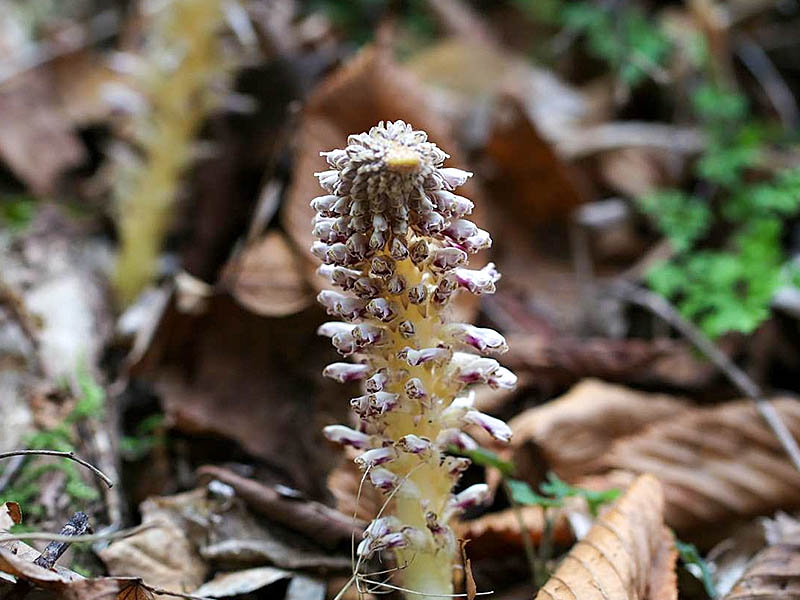
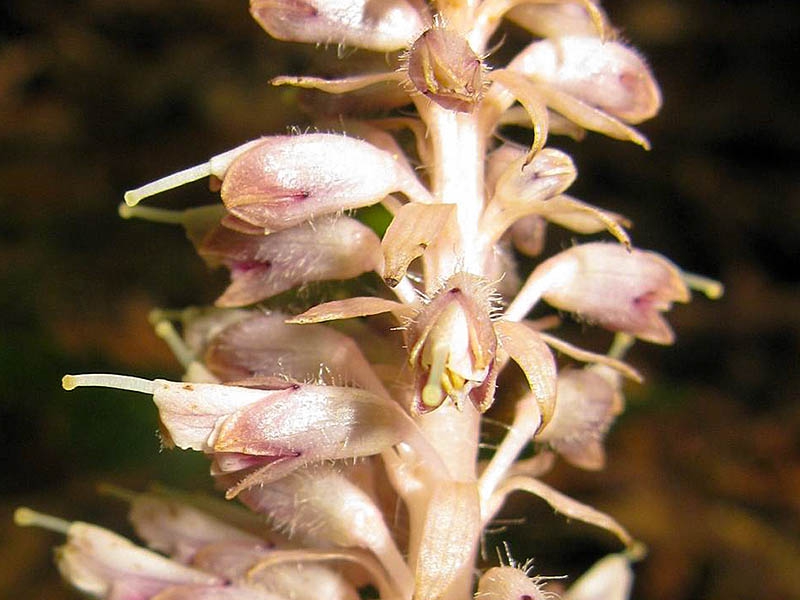
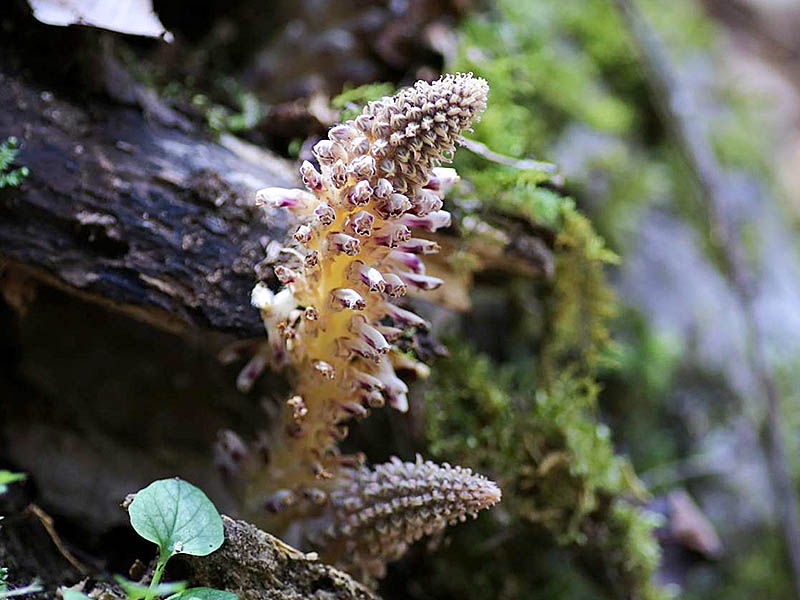
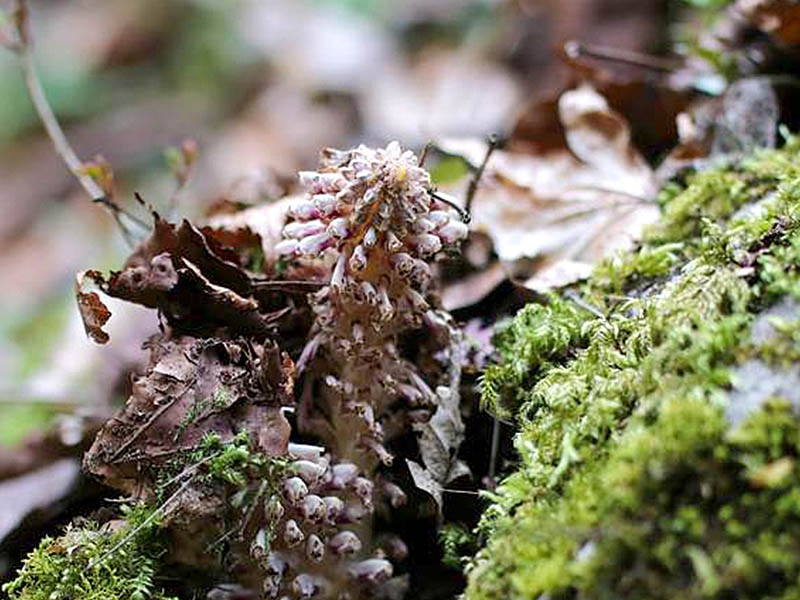
Lathraea japonica is a semi-parasitic plant that survives by attaching itself to the roots of other trees to absorb nutrients. The following describes the growth characteristics, propagation methods, cultivation methods, garden uses, and major pests and control methods of Lathraea japonica. Growth Characteristics - Ecology: It primarily grows in humid forests and is found in mountainous areas at altitudes between 500 and 1,500 meters above sea level. - Sunlight Requirements: It prefers partial shade and thrives in indirect light rather than direct sunlight. - Soil: It grows well in well-drained soil and prefers moist environments. - Temperature: It is suitable for growing in cool temperate climates and is resistant to temperatures during the winter. Propagation Methods - Seed Propagation: It is mainly propagated by seeds; it is recommended to store them in the refrigerator for an appropriate period before planting. - Vegetative Propagation: Although generally difficult, it is sometimes propagated through root cuttings. Cultivation Method - Planting Location: A shady location that retains moisture is ideal. - Planting Season: Spring or autumn is suitable; planting during these times promotes good root establishment. - Care: Water regularly and take care to prevent the soil from becoming too dry. Uses in the Garden - Ornamental: Due to its unique and beautiful flower shape, it is used for ornamental purposes and is typically planted in shady garden corners or under trees. Important Pests and Control Methods - Diseases: There are no known serious diseases, but root rot may occur due to excessive moisture. - Control: Use well-drained soil and avoid overwatering. - Pests: Damage from diseases and pests is generally minimal, but leaf damage caused by insects may occur. - Control: Take measures using eco-friendly insecticides if necessary. Yaponica japonica is a plant with great value for garden use due to its unique ecological characteristics. However, as it is a semi-parasitic plant, the planting location and environment must be carefully considered.
Plant Family
Orobanche
Height
20~35cm
Colors
white, purple
Bloom Period
April~May
Water Needs
commonly
Exposure
semi-shaded area
Freezing Resistance
-15°C
Ratania Rodigesi
Latania loddigesii
Yeonricho
Lathyrus quinquenervius