English
한국어
English
Español
中文
हिंदी
Home
News
Community
Dictionary
English
한국어
English
Español
中文
हिंदी
View list
beach peas
Lathyrus japonicus
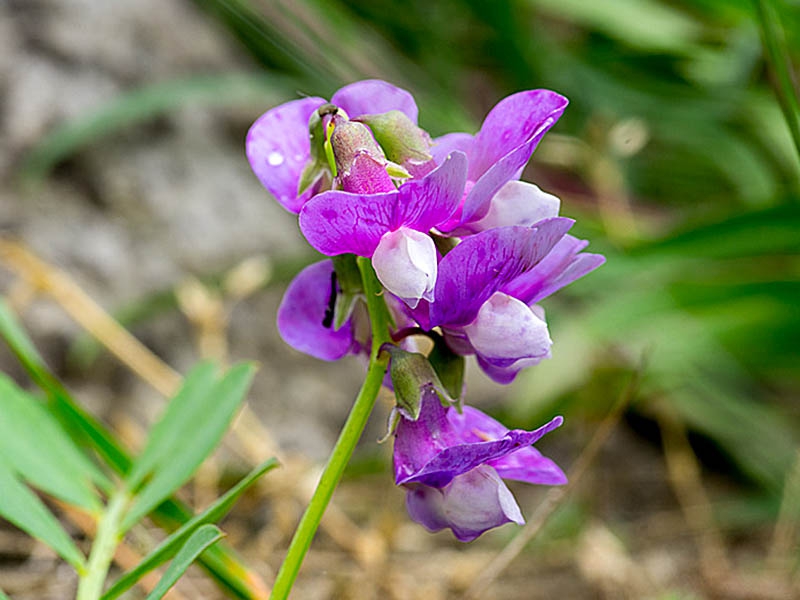
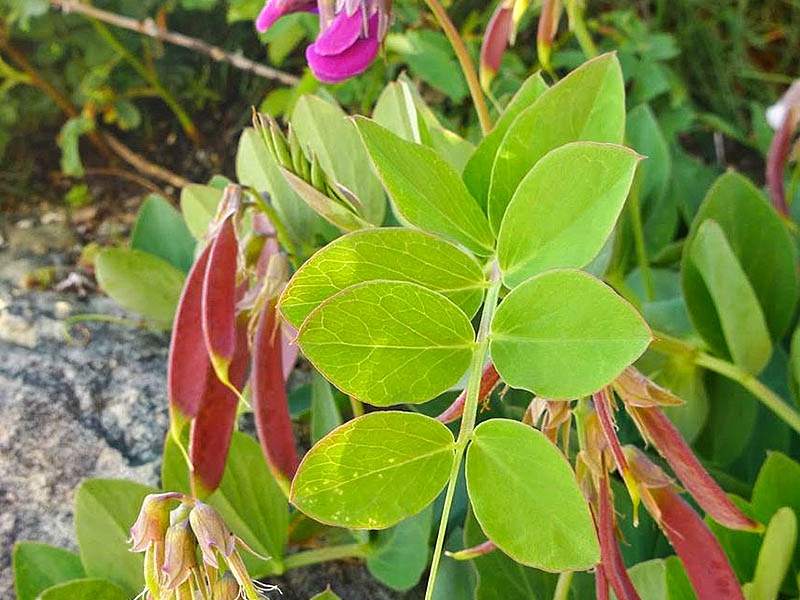
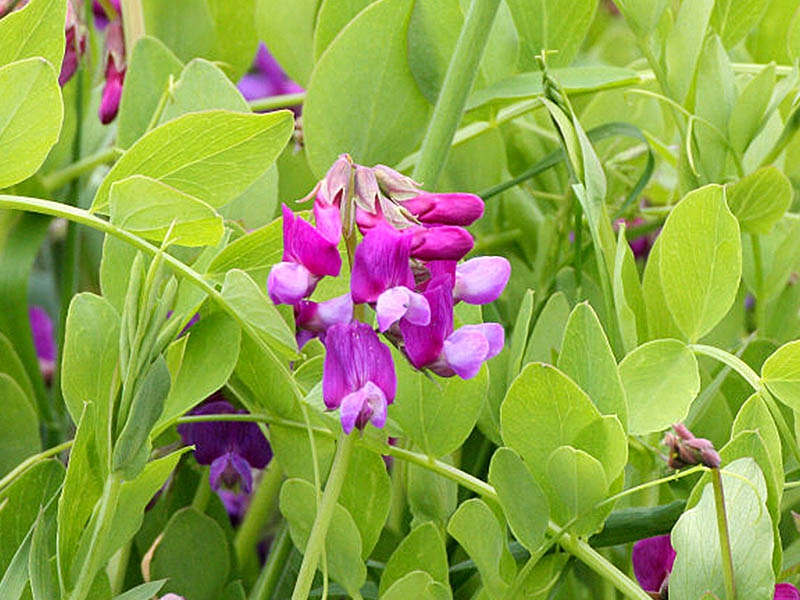
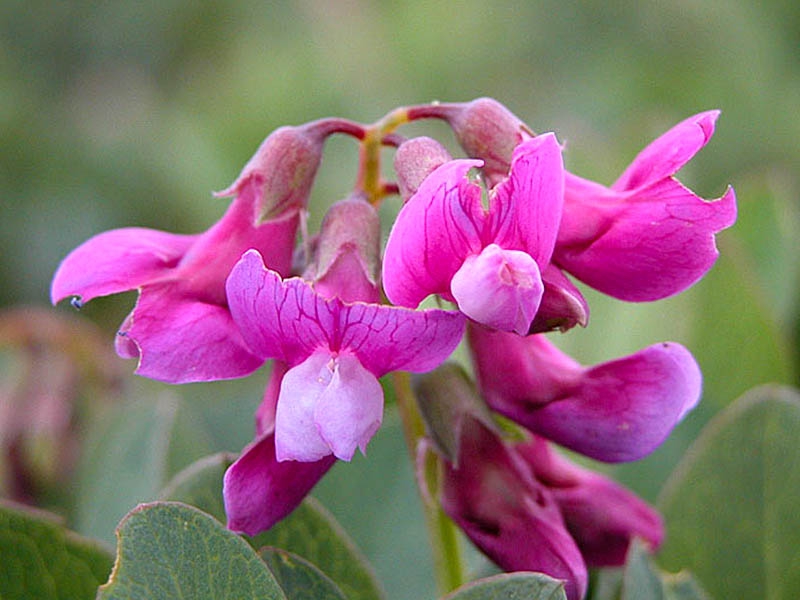
Lathyrus japonicus is a perennial herbaceous plant that grows naturally on sandy beaches along the coast. The following describes the growth characteristics, propagation methods, cultivation methods, garden uses, major pests and diseases, and control methods of Lathyrus japonicus. Growth Characteristics - Environment: It is resistant to salinity and has the ability to withstand wind and salt. It grows well even in sandy or gravel soils along the coast. - Growth Pattern: Its roots spread deeply, and the stems spread sideways along the ground, giving the plant a tendency to grow low to the ground. - Leaves and Flowers: The leaves are alternate and ovate in shape, and flowers usually bloom from June to August. Flower colors vary from pink to purple. Propagation Methods - Seed Propagation: Lathyrus is primarily propagated by seeds. Seeds are collected from mature fruits, stored in a dry environment, and then planted in early spring. - Propagation by Cuttings: It can also be propagated by cutting roots or stems and planting them as cuttings. Cultivation Methods - Soil Preparation: Well-drained sandy soil is ideal. Adding organic fertilizer to enrich the soil helps with growth. - Planting: Sow in early spring; be careful not to plant the seeds too deeply. - Watering: Water at an average rate in well-drained environments, but avoid overwatering. Uses in Gardens - Landscape Plant: Suitable for coastal gardens or beach restoration projects. - Soil Stabilization: Its long roots anchor the sand, making it effective in preventing soil erosion. Major Pests and Control Methods - Pests and Diseases: It is generally resistant to pests and diseases, but root rot may occur if the soil is excessively wet. - Control Methods: Maintain proper drainage, and remove diseased parts of the plant if infection is suspected. Pests can be controlled using eco-friendly insecticides. Beach pea (japonicus) is receiving much attention as a useful plant for gardens and environmental restoration due to its tenacious vitality and unique beauty. When cultivating, it can grow even healthier if managed properly with a proper understanding of these growth characteristics.
Plant Family
legumes
Height
20~60cm
Colors
purple
Bloom Period
May~June
Water Needs
commonly
Exposure
semi-shaded area
Freezing Resistance
-15°C
Seonyeonri Elementary School
Lathyrus komarovii
Hwalryangnamul
Lathyrus davidii