English
한국어
English
Español
中文
हिंदी
Home
News
Community
Dictionary
English
한국어
English
Español
中文
हिंदी
View list
Sweetpea 'Painted Lady'
Lathyrus odoratus
'Painted Lady'
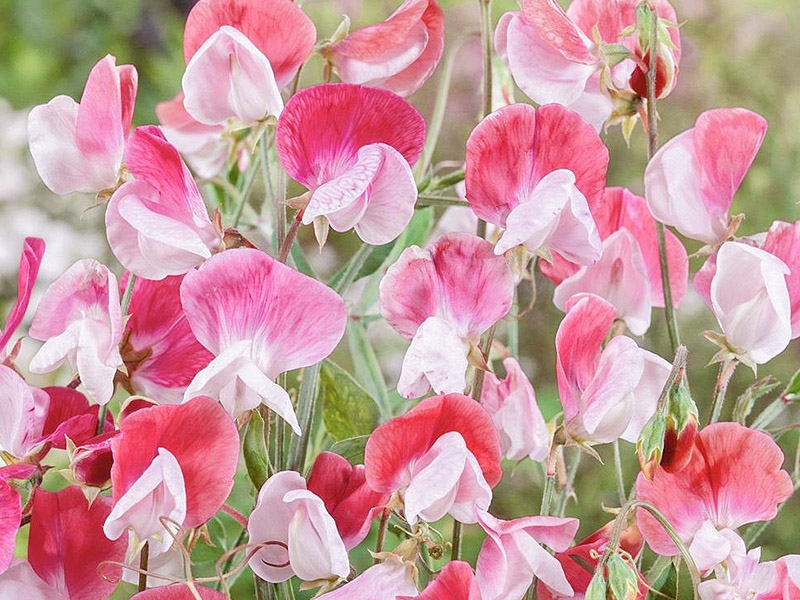
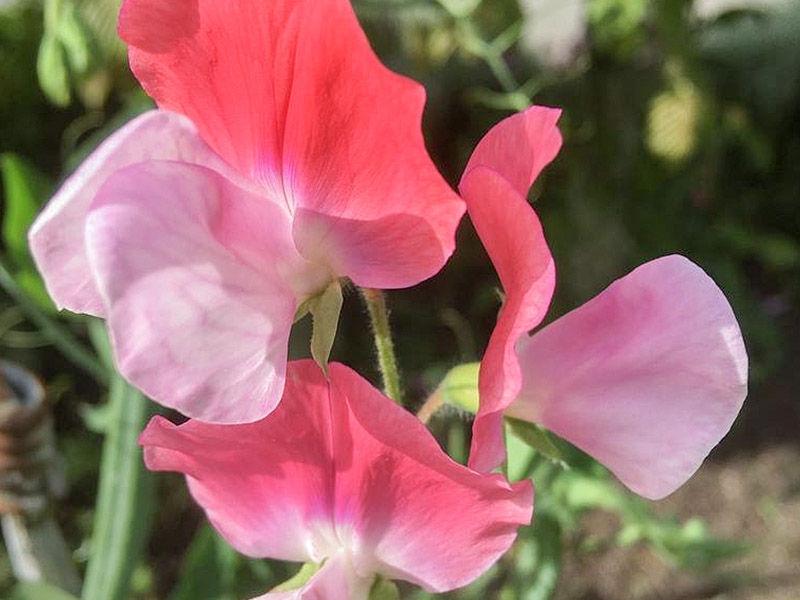
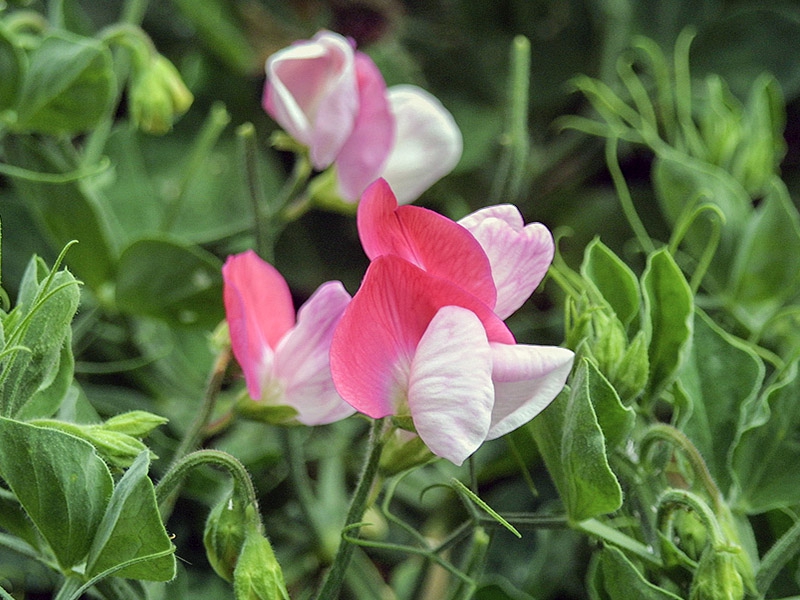
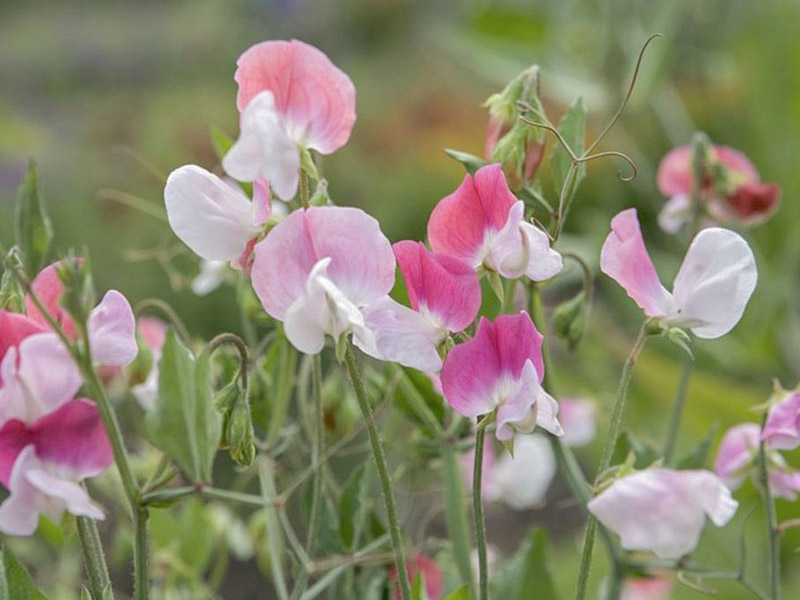
The sweet pea 'Painted Lady' (Lathyrus odoratus 'Painted Lady') has the following growth characteristics: Growth Characteristics: - Sweet peas are annual vines belonging to the legume family, featuring colorful flowers and a fragrant scent. - The 'Painted Lady' variety produces flowers with a unique mix of pink and white, often blooming from spring to early summer. - This plant thrives in full sun but can tolerate partial shade. However, caution is required as it may not tolerate strong winds well in windy regions. Propagation Methods: - It is primarily propagated by seeds. - Seeds can be sown directly after the last spring frost, or germinated indoors and then transplanted. - To increase germination rates, seeds can be soaked in water or the hulls lightly scraped before planting. Cultivation Methods: - It prefers well-drained soil and grows well in neutral to slightly acidic soil. - As it is a vining plant, it is recommended to provide support stakes. - Water thoroughly, but be careful not to overwater. Uses in the Garden: - It is popular as an ornamental plant due to its bright flowers and fragrance; it can be planted to wrap around hedges or arches to add decoration. - The flowers can be used as cut flowers, or made into bouquets to enjoy their scent indoors. Important Pests and Control Methods: - Sweet peas are susceptible to diseases such as rust and powdery mildew, and can be damaged by pests such as aphids. - Rust and powdery mildew can be prevented through periodic use of fungicides and ventilation. - Aphids can be physically removed by using pesticides or washing them off with soapy water. This information will help you grow your 'Painted Lady' sweet peas healthily and maintain their beautiful appearance.
Plant Family
legumes
Height
180~240cm
Spread
30cm
Colors
pink
Bloom Period
May to August
Water Needs
commonly
Exposure
Sunny
Freezing Resistance
-5°C
Sweetpea 'Prince of Orange'
Lathyrus odoratus
'Prince of Orange'
Sweetpea 'Molly Lilstone'
Lathyrus odoratus
'Mollie Rilstone'