English
한국어
English
Español
中文
हिंदी
Home
News
Community
Dictionary
English
한국어
English
Español
中文
हिंदी
View list
Lavender feunduluta subsp. feunduluta
Lavandula pedunculata
subsp.
pedunculata
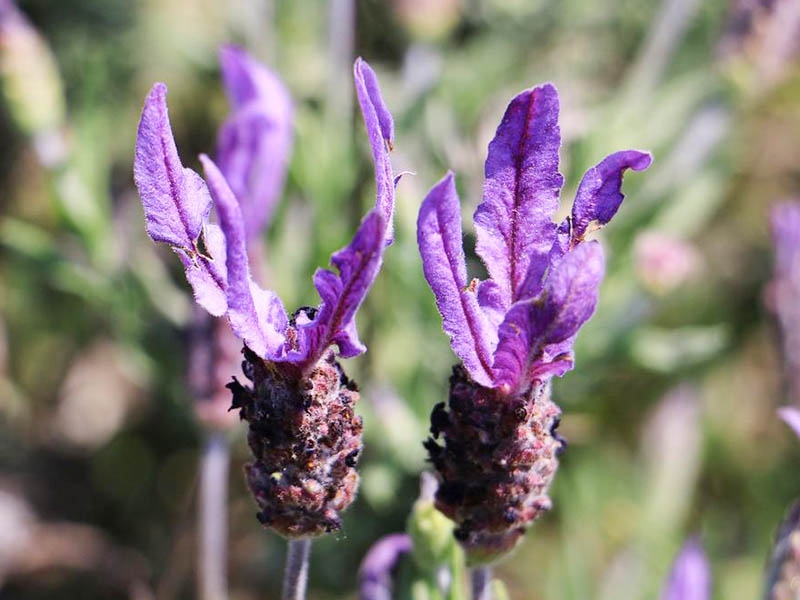
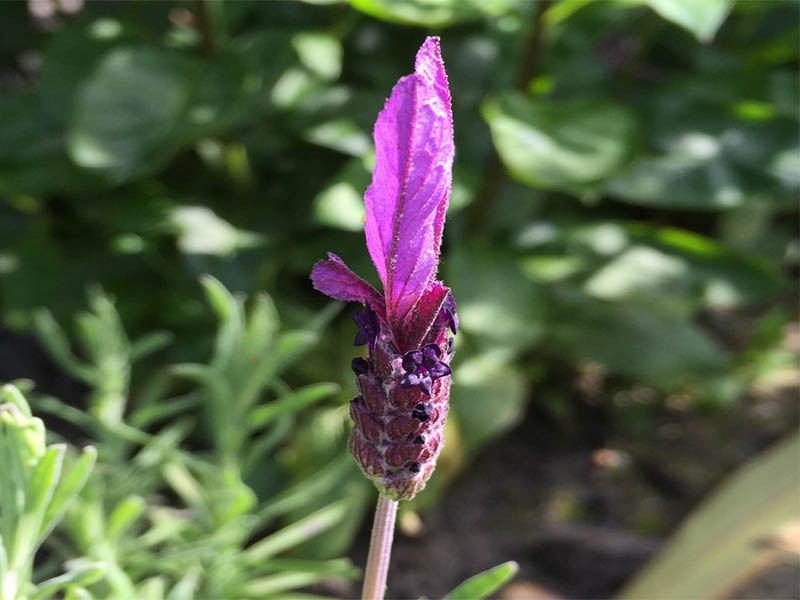
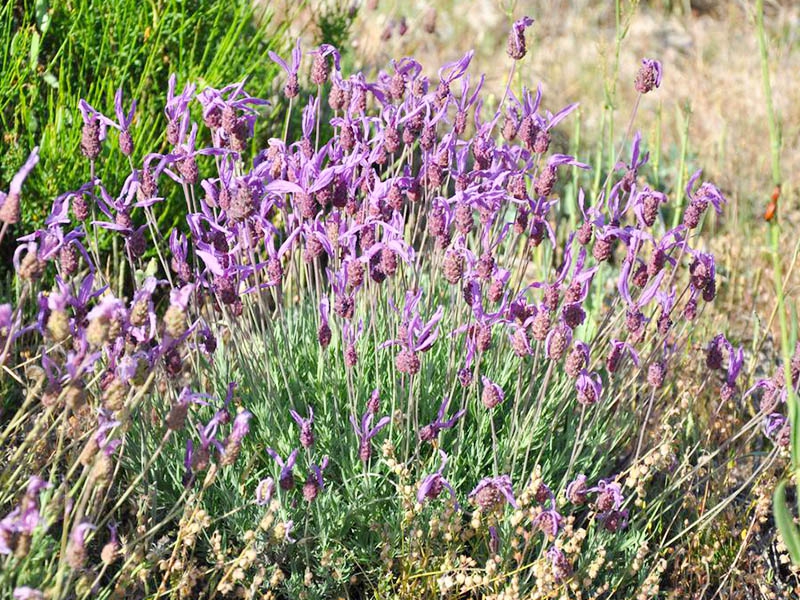
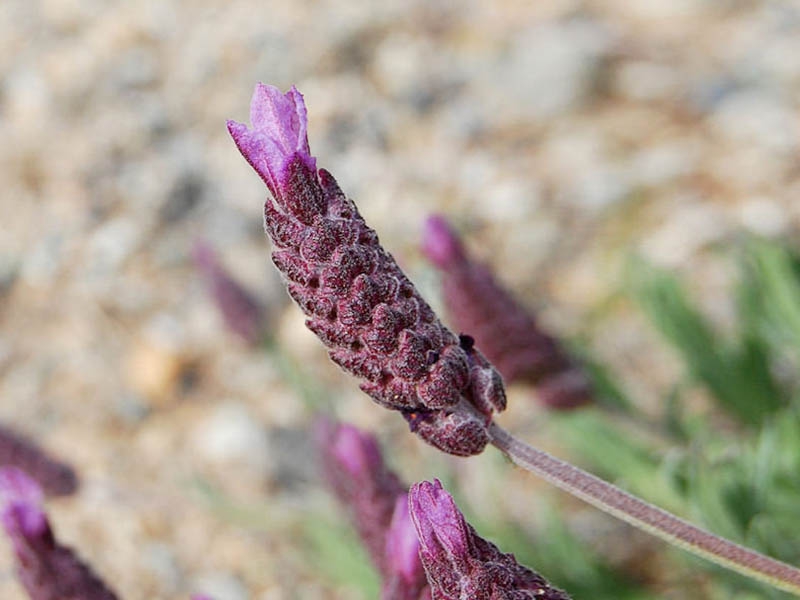
Lavender Fedunculata subsp. Fedunculata is a perennial herb native to the Mediterranean region that thrives particularly in dry and warm climates. The following describes the plant's growth characteristics, propagation methods, cultivation techniques, garden uses, and major pest and disease control methods. Growth Characteristics - Environmental Requirements: Lavender Fedunculata requires plenty of sunlight and grows well in well-drained soil. It prefers slightly alkaline soil with a pH of 6–8. - Growth Habits: The stems grow upright to a height of approximately 30–60 cm. It is characterized by elongated leaves and a distinctive fragrance. - Flowering Period and Appearance: It usually blooms from late spring to early summer; the flowers are purple and have long, drooping flower stalks. Propagation Methods - Seed Propagation: A temperature of approximately 20–25°C is required for seed germination. After germination, transplant the seedlings at appropriate intervals. - Propagation by Cuttings: It can be propagated by taking cuttings from the tips of stems in spring or early summer. After taking the cuttings, water them thoroughly and allow them to root in the shade. Cultivation Methods - Planting: Plant at intervals of 30–40 cm in well-draining soil. - Watering: Water only in dry weather and avoid overwatering. - Pruning: After the flowers have faded, remove crossing or weak branches to improve ventilation. Uses in the Garden - Border Planting: It can be planted along borders or walkways to provide visual boundaries. - Fragrant Gardens: Its pleasant scent makes it suitable for creating fragrant gardens. - Bee and Butterfly Attractor: It is effective at attracting bees and butterflies, making it well-suited for ecological gardens. Major Pests and Control Methods - Root Rot: Root rot can occur due to overwatering, so proper drainage and ventilation are important. - Aphids: If aphids occur, control them using soapy water or a low concentration of insecticide. - Pest and Disease Prevention: Regularly clean the surrounding area and avoid humid environments by ensuring proper ventilation. Lavender fedunculata is relatively easy to care for, but you must follow the above guidelines to ensure healthy growth.
Plant Family
Lamiaceae
Height
30~60cm
Spread
30~60cm
Colors
purple
Bloom Period
April to August
Water Needs
commonly
Exposure
Sunny
Freezing Resistance
-15°C
French Lavender 'Anouk White'
Lavandula stoechas
'Anouk White'
Lavender 'Thumbelina Lee'
Lavandula angustifolia
'Thumbelina Leigh'