English
한국어
English
Español
中文
हिंदी
Home
News
Community
Dictionary
English
한국어
English
Español
中文
हिंदी
View list
Mountain cotton grass
Leontopodium leiolepis
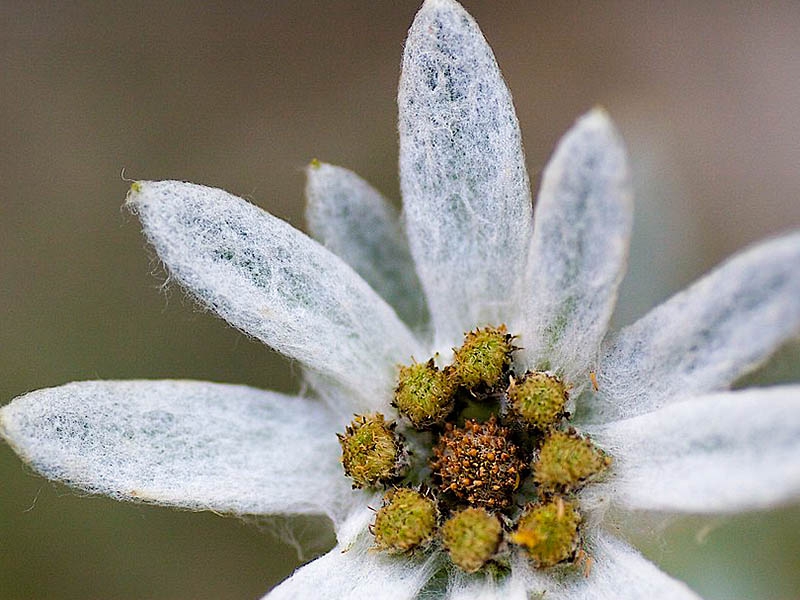
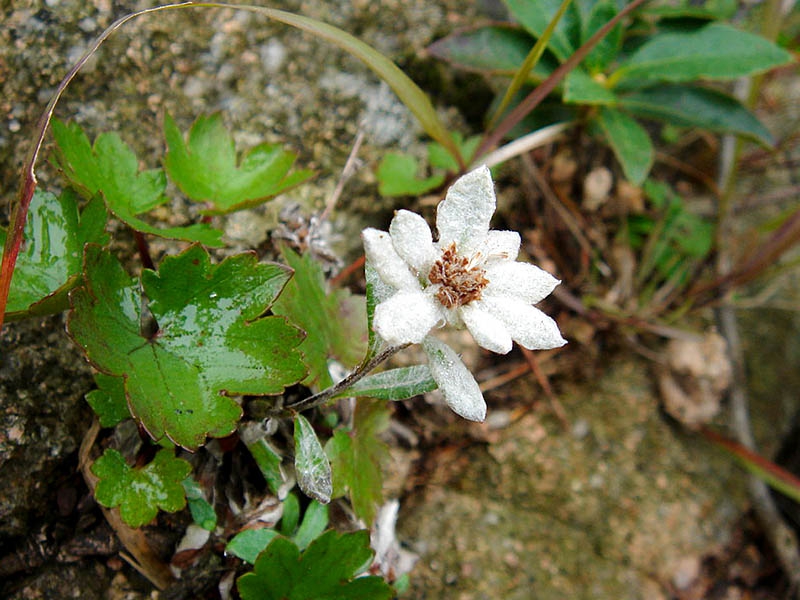
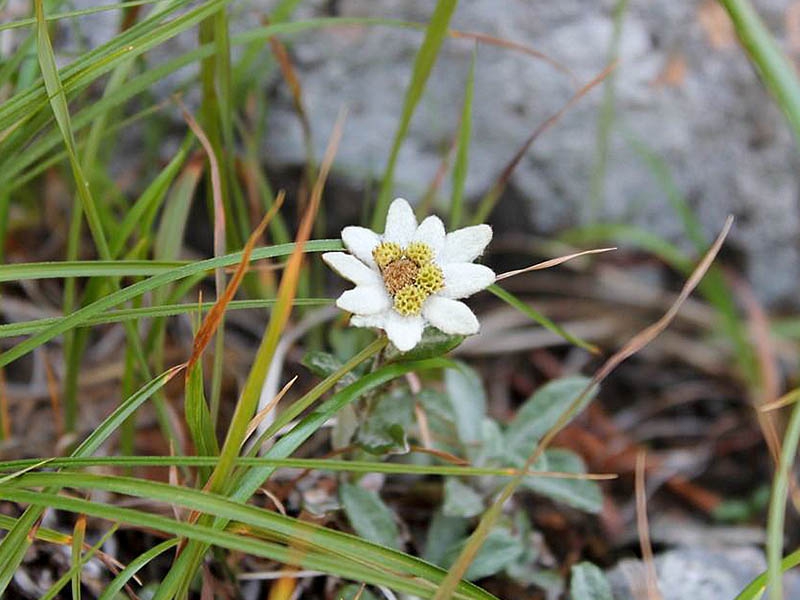
Leontopodium leiolepis Growth Characteristics: Leontopodium leiolepis is a perennial herbaceous plant that grows in alpine regions, primarily found at elevations of 1,000 meters or higher. It enjoys sunlight and prefers well-drained soil. Leontopodium leiolepis is resistant to cold and has excellent cold tolerance, allowing it to thrive even in cool climates. Propagation Methods: Leontopodium leiolepis is primarily propagated by seeds. Seeds are sown in spring or autumn, and germination rates are generally good. Root division is another propagation method; simply divide the roots in spring or autumn and plant them. Cultivation Methods: - Soil: Well-drained sandy or gravelly soil is suitable. - Sunlight: Sufficient sunlight is required, but it also grows well in partial shade. - Watering: Water moderately to avoid overwatering, and special care is needed during the summer. - Fertilizer: Apply general plant fertilizer in spring and summer. Garden Use: Mountain Cotton is popular as an ornamental plant in gardens due to its small flowers and unique appearance. Planting it in rock gardens or on slopes can create a natural atmosphere. It can also be used as a ground cover plant. Important Pests and Control Methods: Mountain Cotton is relatively resistant to pests and diseases, but you should be careful of the following issues: - Fungi: Fungal diseases may occur in humid environments. Regular ventilation and maintaining dry conditions are necessary. - Pests: Aphids or spider mites may occur; in such cases, use appropriate insecticides, or remove them using natural control methods such as water spraying. Regular observation and appropriate measures are important to keep the plant healthy.
Plant Family
Asteraceae
Height
7~25cm
Colors
white
Bloom Period
May to August
Water Needs
commonly
Exposure
Sunny
Freezing Resistance
-30°C
Leonothys Leonurus
Leonotis leonurus
Whysomdari japonicum
Leontopodium japonicum