English
한국어
English
Español
中文
हिंदी
Home
News
Community
Dictionary
English
한국어
English
Español
中文
हिंदी
View list
Cotton grass
Leontopodium coreanum
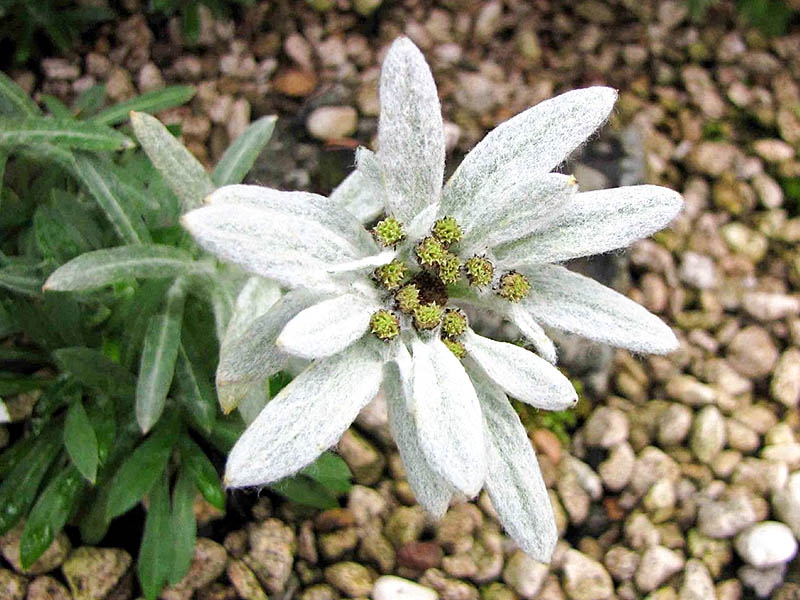
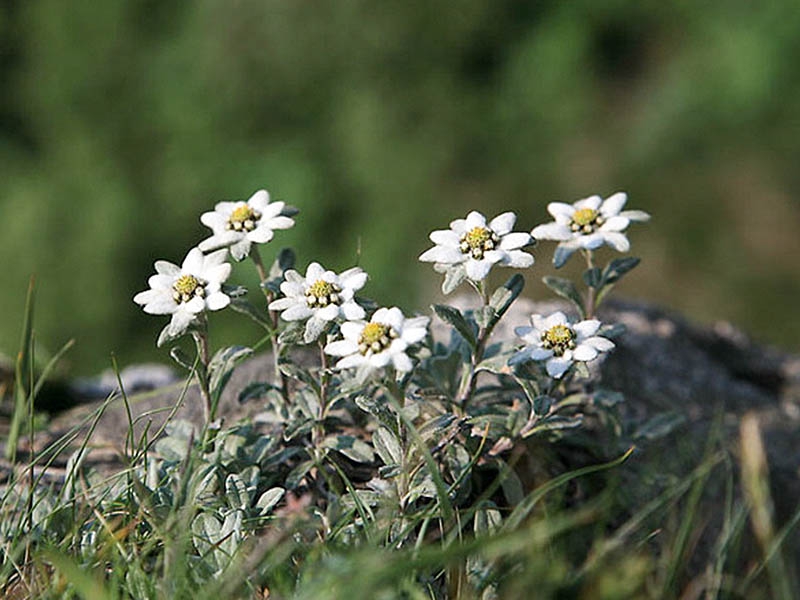
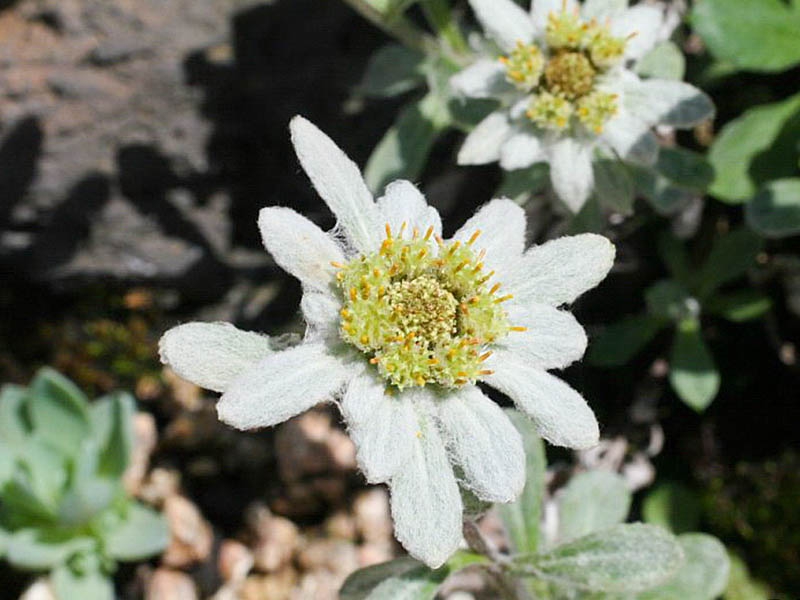
Here is some information regarding Leontopodium coreanum. Growth Characteristics Leontopodium coreanum is a perennial herbaceous plant that grows wild primarily in the mountainous regions of the Korean Peninsula. It thrives in high-altitude areas above 1,000 meters above sea level and prefers sunny locations. It is relatively resistant to cold and drought, and prefers well-drained, neutral to slightly acidic soil. Propagation Methods It is primarily propagated by seeds. Collected seeds are sown in early spring, and germination begins within 2 to 3 weeks. It can also be propagated by division. Division is best performed in spring or early summer. Cultivation Methods - Soil Preparation: Select well-draining soil. If necessary, mix in sand or perlite to improve drainage. - Watering: Avoid overwatering; it is best to water when the topsoil is dry. - Fertilizer: Supply an appropriate amount of slow-release fertilizer during the growing season. - Sunlight: Position the plant to ensure it receives sufficient sunlight. Uses in the GardenCharacterized by its unique appearance and silvery-white flowers, the Korean edible plant is highly popular as an ornamental plant for flowerbed edges or rock gardens. It is particularly effective when creating a garden with a natural feel. Important Pests and Control Methods While the Korean edible is relatively resistant to pests and diseases, conditions such as root rot can occur under excessive moisture. - Disease Prevention: Pay attention to drainage to avoid overwatering. Manage the soil and environment to prevent excessive moisture. - Pest Control: Although there are no major pest issues, follow general garden pest management guidelines; if pests are detected early, remove them appropriately using pesticides or by hand. We hope you can successfully cultivate Korean edible based on this information.
Plant Family
Asteraceae
Height
15~25cm
Colors
white
Bloom Period
April to August
Water Needs
commonly
Exposure
Sunny
Freezing Resistance
-30°C
Whysomdari japonicum
Leontopodium japonicum
Edelweiss
Leontopodium leontopodioides