English
한국어
English
Español
中文
हिंदी
Home
News
Community
Dictionary
English
한국어
English
Español
中文
हिंदी
View list
Edelweiss
Leontopodium leontopodioides
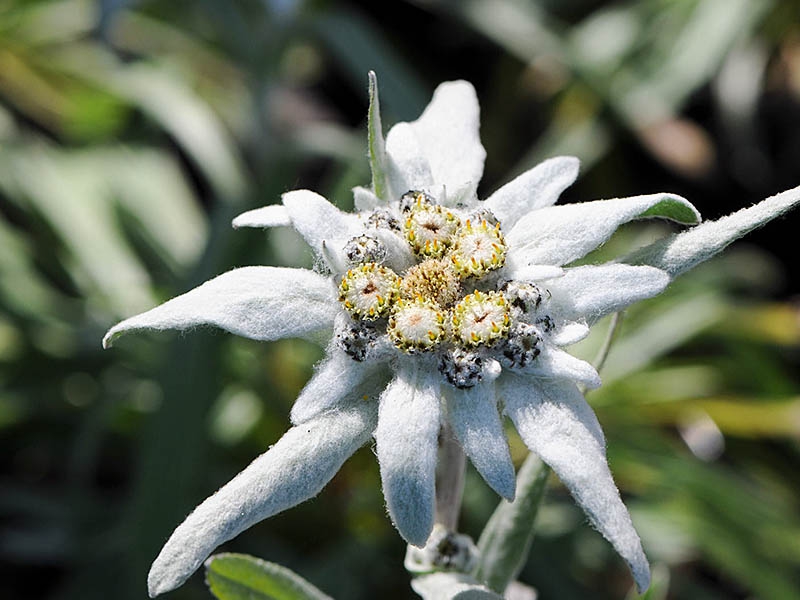
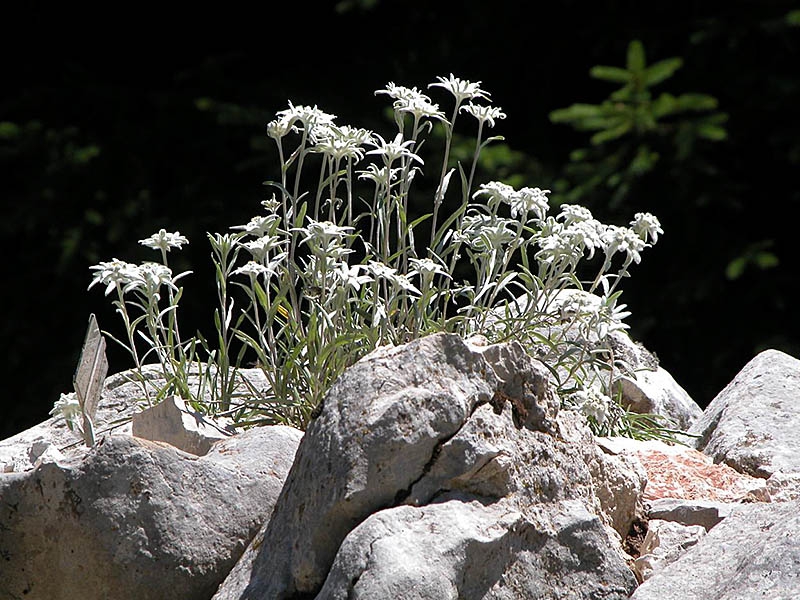
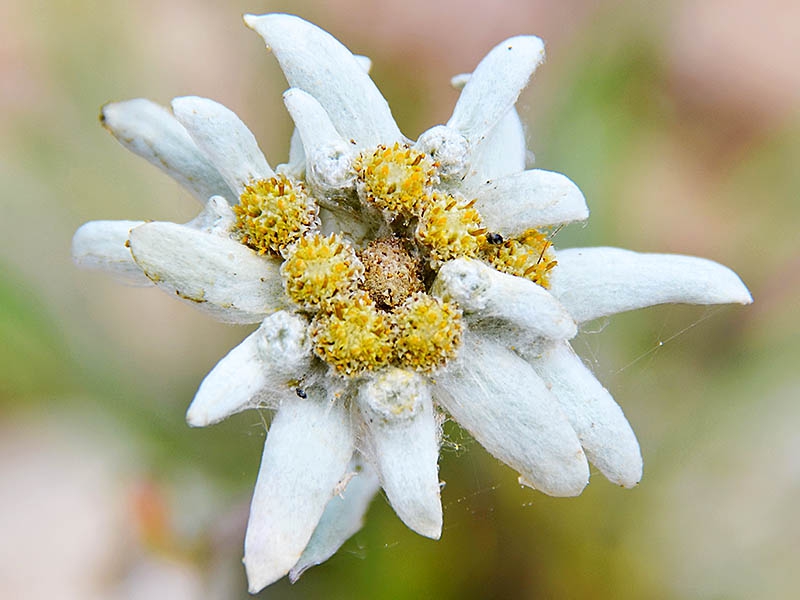
I will explain the growth characteristics, propagation methods, cultivation methods, garden uses, and major pests and diseases and control methods of Leontopodium leontopodioides. Growth Characteristics Leontopodium leontopodioides is a perennial herbaceous plant belonging to the Asteraceae family and thrives primarily in cool climates. It prefers low temperatures and cool environments, and can grow even at high elevations. It grows best in sunny locations and prefers well-drained soil. Flowers usually bloom between July and August and have a white, flannel-like texture. Propagation Methods Leontopodium leontopodioides can be propagated mainly by seeds and root division. Propagation by seeds takes place in the spring, and sprouts begin to emerge about a month after sowing. Root division is best performed in early spring or late autumn when growth is active. This method primarily involves dividing and planting the tuberous roots of the mother plant. Cultivation Methods Wild daisies prefer well-drained soil, ample sunlight, and low temperatures. In the garden, use well-draining garden soil, and planting them between landscaping stones is a good method. Do not water frequently; it is best to maintain dry soil conditions, especially after they have started to grow well. Uses in the Garden Wild daisies have strong natural resilience and adapt easily to gardens without special care. They are primarily suitable for rock gardens or wildflower gardens, and they blend harmoniously when planted alongside other plants of varying heights. Additionally, their flowers, with their unique colors, can serve as a focal point in the garden. Important Pests and Diseases and Control Methods Wild daisies are relatively resistant to pests and diseases, but fungal diseases can rarely occur on the leaves. To prevent this, it is important to provide a well-drained environment and maintain planting spacing to ensure good air circulation. If disease occurs, fungicides can be used for control. Additionally, while damage from insects is minimal, general insecticides can be used if necessary. Wild daisy is a much-loved garden plant known for its unique beauty and tenacious vitality. Please maintain its health through proper care and utilize it as a wonderful element of your garden.
Plant Family
Asteraceae
Height
10~30cm
Colors
white
Bloom Period
May~June
Water Needs
commonly
Exposure
Sunny
Freezing Resistance
-40°C
Cotton grass
Leontopodium coreanum
Wild chrysanthemum
Leontopodium leontopodioides