English
한국어
English
Español
中文
हिंदी
Home
News
Community
Dictionary
English
한국어
English
Español
中文
हिंदी
View list
Siberian motherwort
Leonurus sibiricus
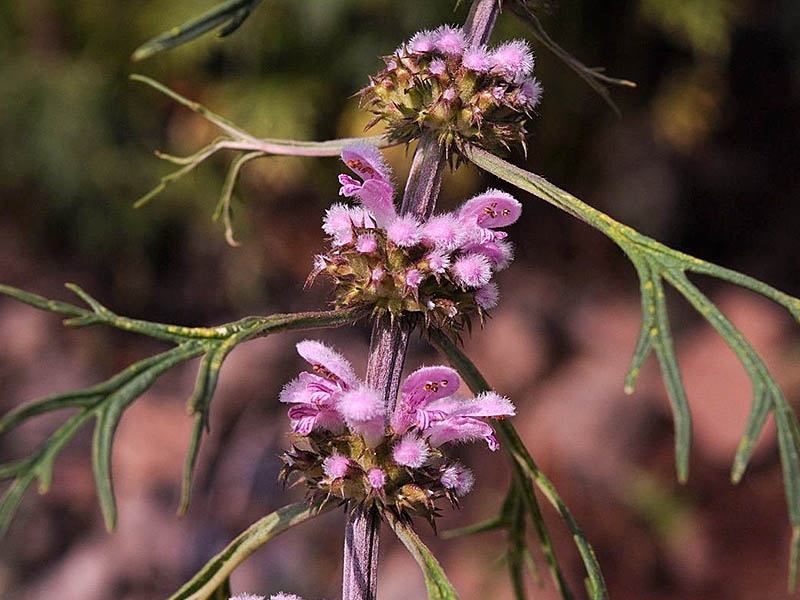
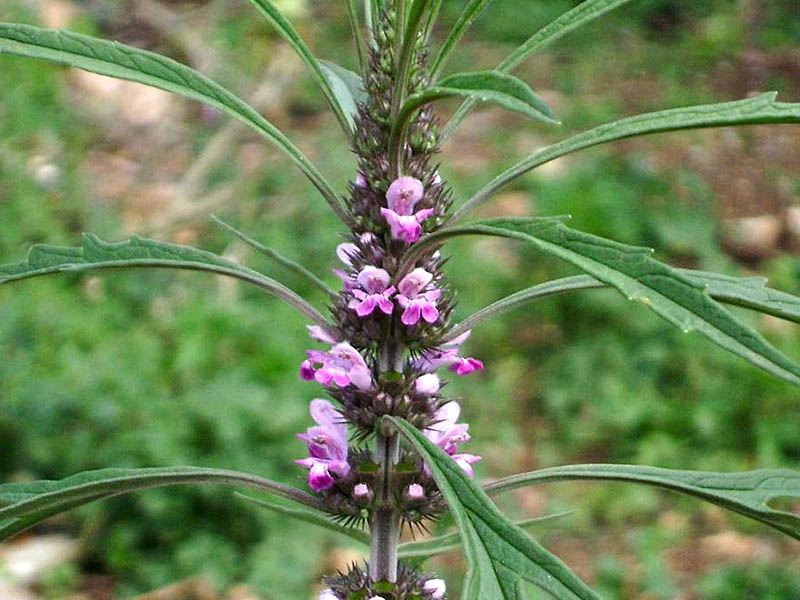
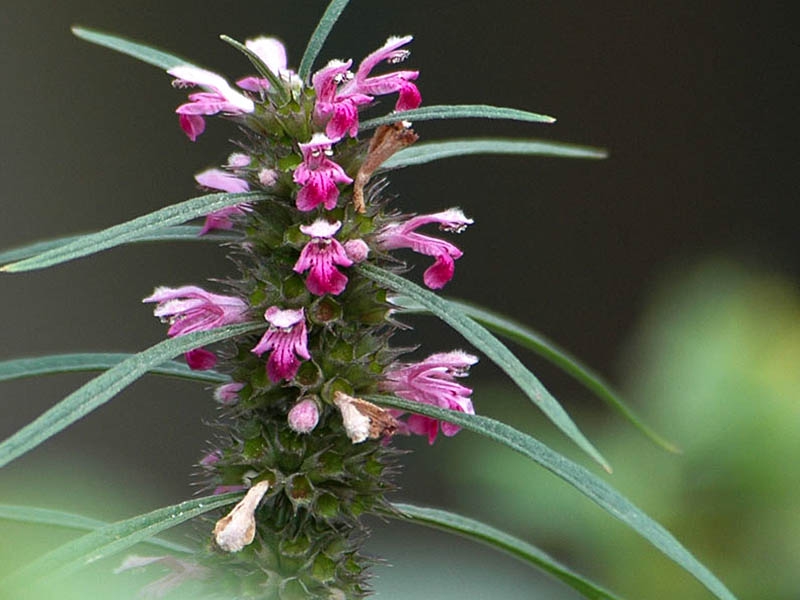
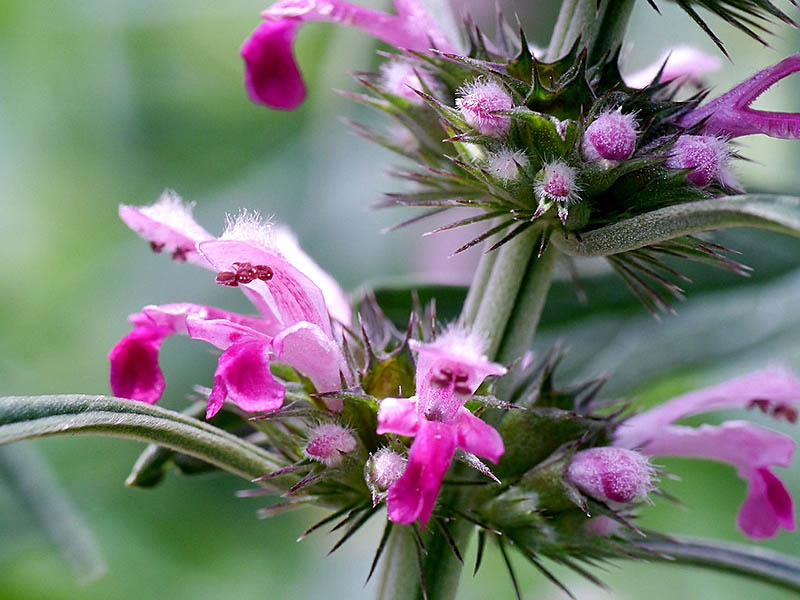
Leonurus sibiricus is a perennial plant belonging to the Lamiaceae family, native primarily to Asia and Europe. The following describes the plant's growth characteristics, propagation methods, cultivation techniques, garden uses, and major pests and diseases, as well as control methods. Growth Characteristics - Height: Typically grows to a height of 30–120 cm. - Leaves: Palm-shaped with divided veins, and serrated margins. - Flowers: Pale pink or purple flowers bloom from summer to autumn, concentrated at the upper part of the stem. - Environment: Prefers sunlight and thrives in well-drained soil. It can also tolerate somewhat dry environments. Propagation Methods - Seeds: Leonurus is primarily propagated by seeds. Seeds can be sown directly in spring or autumn, or seedlings can be grown indoors and transplanted. - Cuttings: While propagation is possible, seed propagation is the most common method. Cultivation Methods - Sowing Time: Spring or autumn is suitable; it is best to plant after temperatures have warmed up. - Spacing: Maintain a spacing of approximately 30–45 cm between plants to ensure sufficient space. - Watering: Water thoroughly during the initial establishment period. Afterward, avoid overwatering and replenish water only during dry periods when it is not raining. - Fertilizer: Excessive fertilizer is not necessary, but if you wish to promote growth, you can use a small amount of organic fertilizer in the spring. Uses in the Garden - Border Plant: Its relatively tall stature and showy flowers make it ideal for planting as a border plant along the edges of the garden. - Flowerbed Plant: Its continuous blooming adds vitality to flowerbeds. - Medicinal Plant: It is also traditionally used as a medicinal plant. Major Pests and Control Methods - Diseases: It is generally resistant to diseases, but it can rarely contract fungal diseases. If disease occurs, remove the infected parts and apply a fungicide. - Pests: Pests such as aphids may occur. In this case, you can use eco-friendly insecticides or adopt natural pest control methods. Siberian motherwort is a relatively easy plant to care for and can play various roles in the garden. With proper care according to conditions, you can enjoy its beautiful flowers for a long time.
Plant Family
Lamiaceae
Height
20~120cm
Colors
Pink, purple
Bloom Period
July to September
Water Needs
commonly
Exposure
Sunny
Freezing Resistance
-20°C
Halla cotton grass
Leontopodium coreanum
var.
hallaisanense
Corpseweed
Leonurus macranthus