English
한국어
English
Español
中文
हिंदी
Home
News
Community
Dictionary
English
한국어
English
Español
中文
हिंदी
View list
Corpseweed
Leonurus macranthus
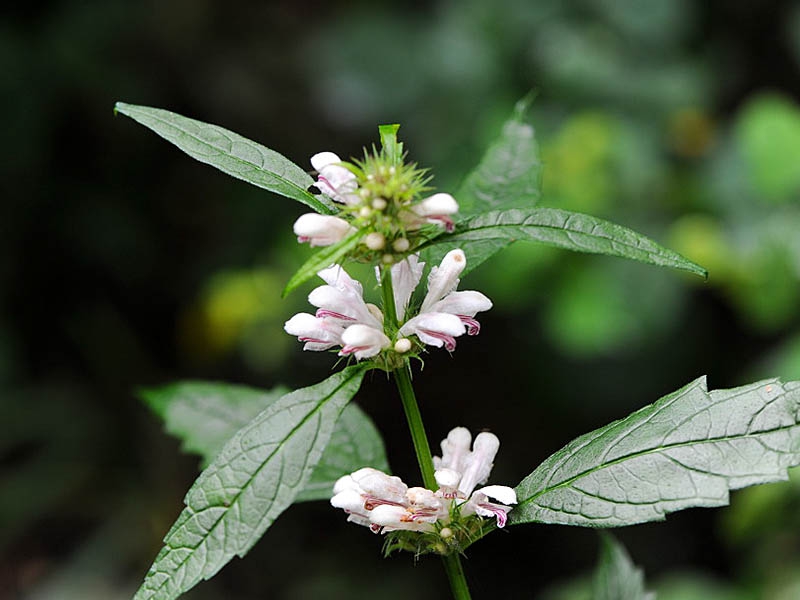
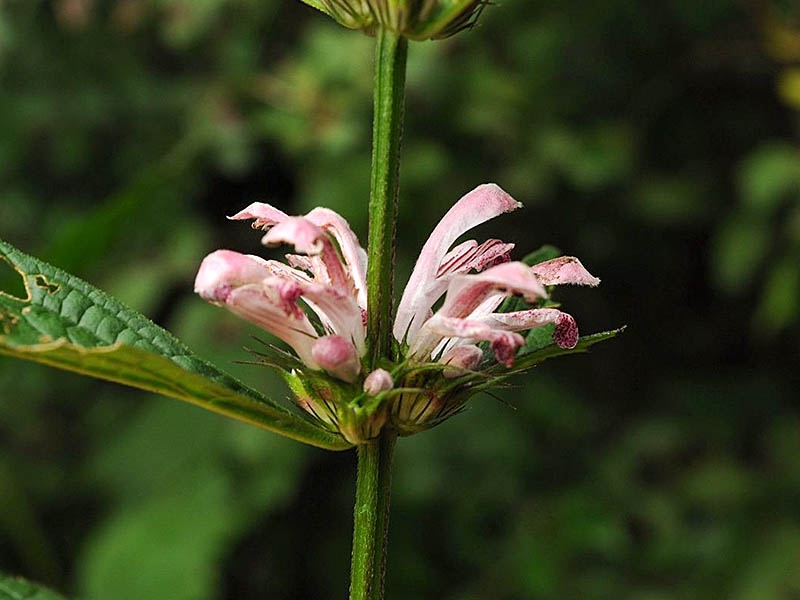
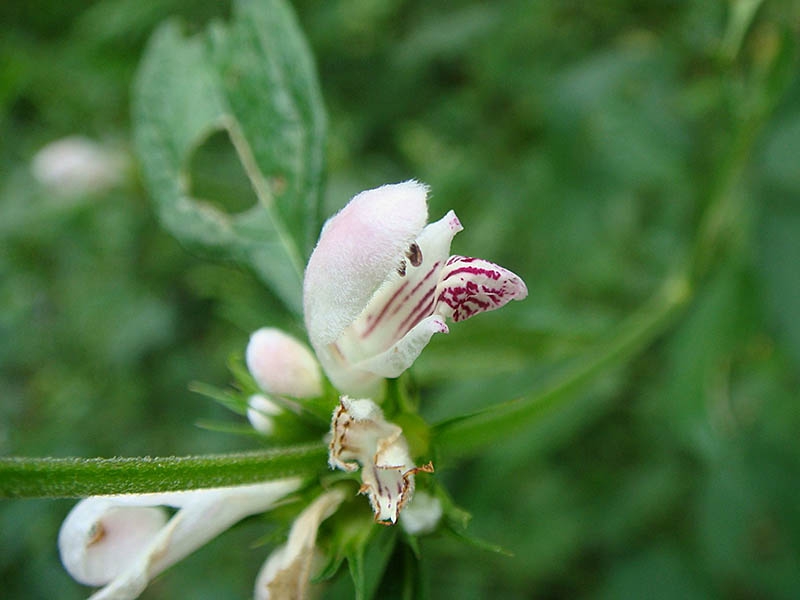
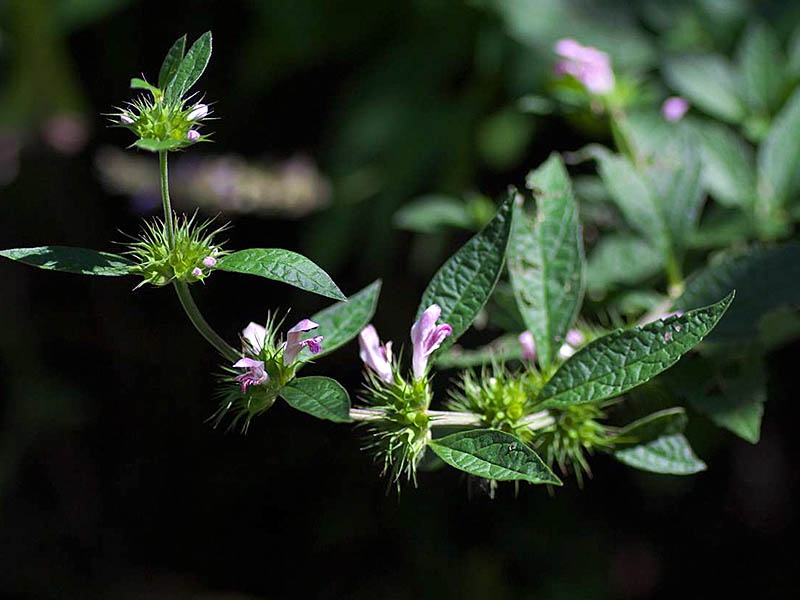
To provide accurate information, we will summarize the growth characteristics, propagation methods, cultivation methods, garden uses, major pests and diseases, and control methods of Leonurus macranthus as follows. Growth Characteristics Leonurus macranthus is a perennial herbaceous plant that typically grows to a height of 60 to 100 cm. It mainly blooms in the summer, and the flowers are usually pink to purple. It thrives in sunny locations and prefers well-drained soil. Propagation Methods Propagation is primarily done via seeds, which can be sown in spring or autumn. Since the germination rate is relatively high, propagation is easy provided the appropriate environment is provided. Additionally, sufficient watering is required during the initial stages. Cultivation Methods - Soil Preparation: Select well-draining soil and mix in plenty of organic matter. - Planting: Plant at intervals of approximately 30 cm. A location with ample sunlight is ideal. 3. Watering: Water thoroughly about once a week, but avoid overwatering. - Fertilizer: Generally, fertilizer is not necessary, but if the plant starts slowly, you can use slow-release fertilizer in the spring. Uses in the GardenMacranthus is highly popular as an ornamental plant in gardens due to its beautiful flowers. You can create a vibrant landscape by planting it in clusters in specific areas or along borders. Important Pests and Control Methods While there are not many major pests, spider mites and aphids may occur. - Spider Mites: Regularly washing the undersides of the leaves with water is helpful. - Aphids: In the early stages, remove them manually or prevent them by washing the leaves with water. Organic insecticides can be used if necessary. Once the basic environment is provided, this plant grows beautifully and healthily with relatively easy care.
Plant Family
Lamiaceae
Height
1~1.2m
Colors
Pink, purple
Bloom Period
August
Water Needs
commonly
Exposure
Sunny
Freezing Resistance
-10°C
Siberian motherwort
Leonurus sibiricus
Lepidium mung bean
Lepidium virginicum