English
한국어
English
Español
中文
हिंदी
Home
News
Community
Dictionary
English
한국어
English
Español
中文
हिंदी
View list
Shepherd's purse
Lepidium cordatum
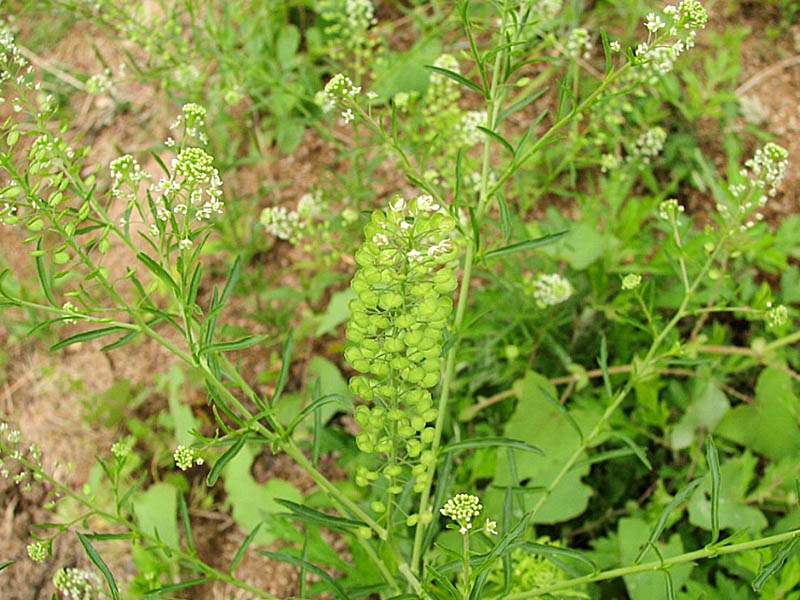
The information regarding Lepidium cordatum can be summarized as follows: Growth Characteristics Lepidium cordatum is a perennial plant belonging to the Cruciferae family and thrives primarily in low temperatures. This plant grows well under various soil conditions, particularly preferring well-drained soil. It grows healthier in sunny locations but can also grow in partial shade. Propagation Methods Lepidium cordatum is primarily propagated by seeds. It is best to sow seeds in spring or early summer; avoid direct sunlight and lightly cover the seeds with soil. Propagation by dividing the roots is also possible. Cultivation Methods - Soil Preparation: Prepare well-drained soil and increase soil fertility by adding organic matter. - Sowing: Plant seeds in spring or early summer. Lightly till the soil before sowing. 3. Watering: Water when the soil dries out to provide sufficient moisture, but avoid overwatering. - Weed Management: Regularly remove weeds to promote plant growth. Uses in the GardenCastanea cordata is excellent for use as ground cover and can also be utilized as a windbreak in shaded gardens or windy areas. Additionally, its small flowers are attractive, making it suitable for planting as an ornamental plant. Important Pests and Control Methods - Diseases: Powdery mildew, characterized by white mold on the leaves, may occur. To prevent this, it is important to ensure good ventilation and avoid excessive moisture. - Pests: Pests such as aphids may appear. If detected early, they can be removed by washing with water or using eco-friendly insecticides. We hope this information helps you understand the cultivation and care of Castanea cordata.
Plant Family
Cruciferae
Height
10~40cm
Colors
white
Bloom Period
April~May
Water Needs
commonly
Exposure
Sunny
Freezing Resistance
-10°C
Daebudo wild mustard
Lepidium perfoliatum
Ussuri single-leaf plant
Lepisorus ussuriensis