English
한국어
English
Español
中文
हिंदी
Home
News
Community
Dictionary
English
한국어
English
Español
中文
हिंदी
View list
mudskipper
Diplachne fusca
subsp.
fascicularis
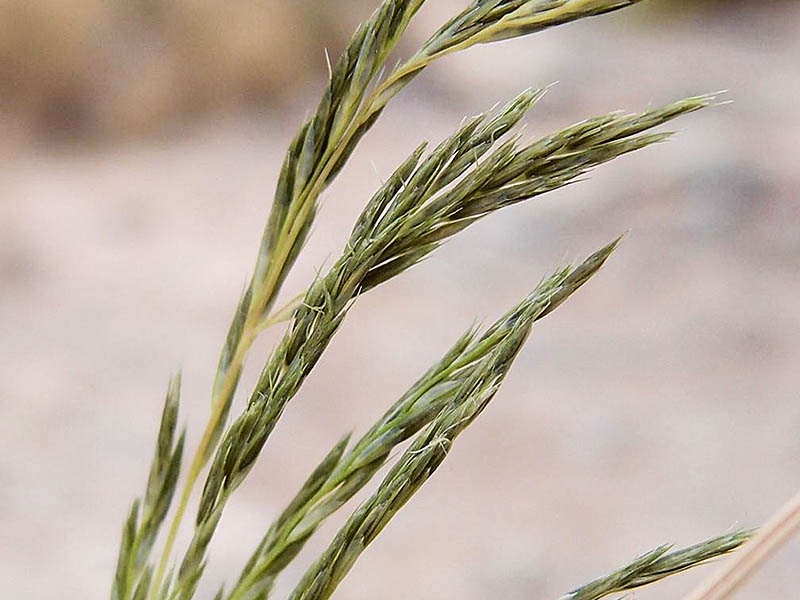
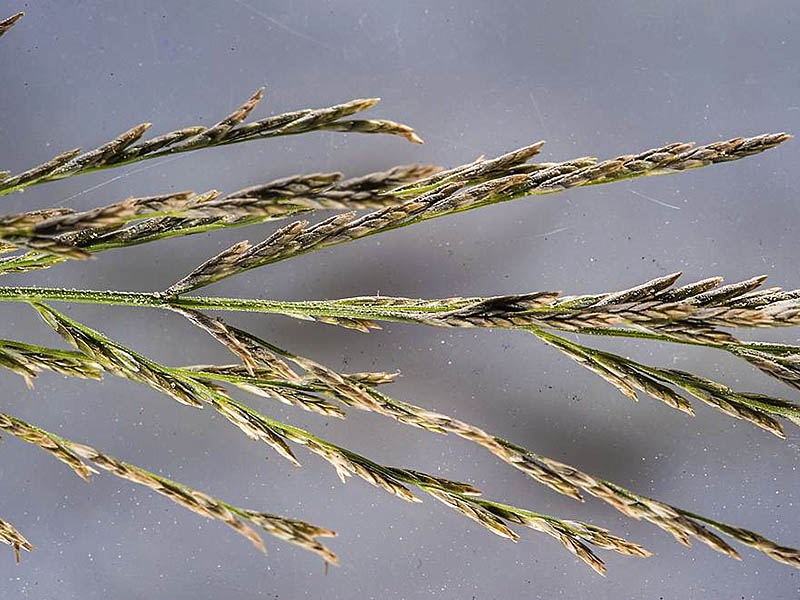
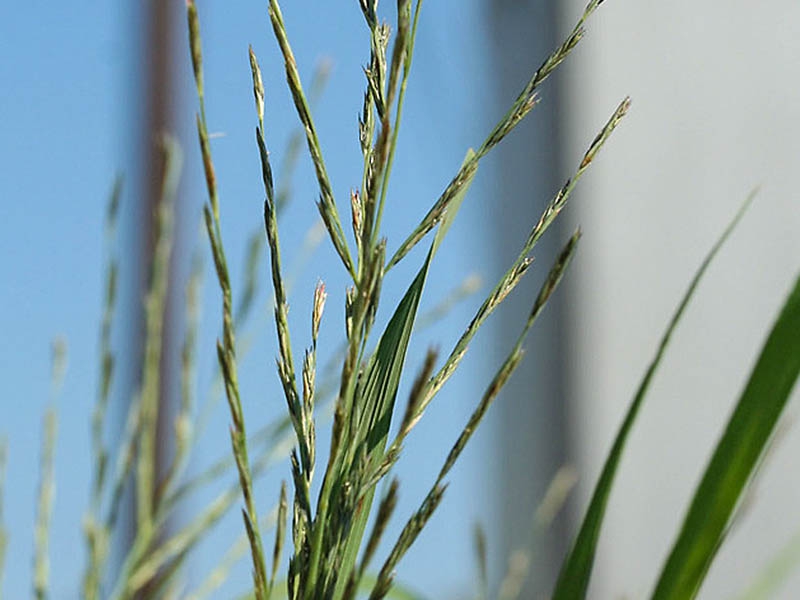
Diplachne fusca subsp. fascicularis has the following growth characteristics, propagation methods, and cultivation methods: Growth Characteristics It is a perennial grass that grows primarily in humid areas, rice paddies, and around lakes. It grows to a height of approximately 30 to 90 cm and is highly salt-tolerant, allowing it to withstand environments with high salinity. Additionally, it has a preference for water, so it thrives even in poorly drained soil. Propagation Methods It is primarily propagated by seeds. The seeds germinate quickly, and sowing is generally done in spring and early summer. Propagation using rhizomes is also possible. Cultivation Methods - Soil Preparation: It grows well in moist soil and tolerates poor drainage. - Sowing: Seeds can be sown directly into the ground in the spring or transplanted from seedlings. - Care: Since it likes water, attention must be paid to watering, and frequent watering is recommended. It removes weeds and can be fertilized if necessary. Uses in the GardenIt is useful for creating natural landscapes and is suitable for wetland gardens or waterside gardens. It can also be used to stabilize the soil in areas with uneven terrain. Important Pests and Control MethodsWhile it is generally resistant to pests, you should be careful of the following: - Diseases: Fungal diseases or leaf blight may occur. In such cases, improve ventilation and remove infected parts. - Pests: Aphids, mites, and insects can be problematic. In the early stages, they can be removed with water or vegetable soap; in severe cases, use an appropriate insecticide. Pests and diseases can be prevented through proper moisture management and periodic inspections.
Plant Family
Poaceae
Height
30~80cm
Colors
green
Bloom Period
August to October
Water Needs
commonly
Exposure
Sunny
Freezing Resistance
-10°C
Dasima leaf herb
Lepisorus annuifrons
Deureongsae
Leptochloa chinensis