English
한국어
English
Español
中文
हिंदी
Home
News
Community
Dictionary
English
한국어
English
Español
中文
हिंदी
View list
Cat's-eye
Lespedeza pilosa
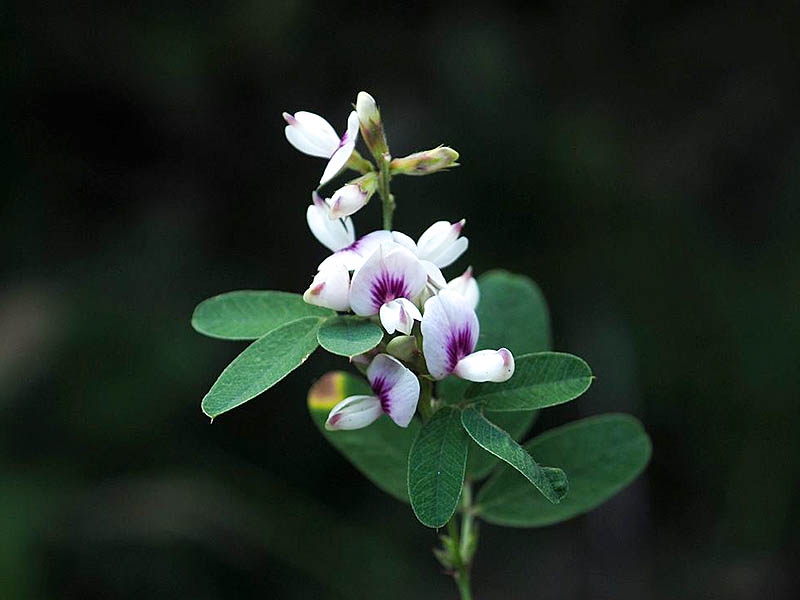
Lespedeza pilosa has the following growth characteristics, propagation methods, cultivation methods, garden uses, and information on important pests and diseases and control methods. Growth Characteristics Lespedeza pilosa thrives primarily in sunny environments and exhibits optimal growth in well-drained soil. It has excellent drought tolerance and can withstand relatively dry conditions. It generally grows to a height of 30 to 60 cm. Propagation Methods This plant is primarily propagated by seeds. Seeds can be sown directly in spring or autumn, or seedlings can be transplanted. It can also be propagated by root division. Cultivation Methods - Soil Preparation: It prefers well-drained soil. Prepare the soil by mixing sand and organic matter. - Planting: Plant seeds 1 to 2 cm deep, and plant seedlings at intervals of approximately 15 to 30 cm. 3. Watering: Water consistently during the initial establishment period, but avoid overwatering thereafter and wait until the soil is nearly dry. - Fertilization: Generally, it does not require much fertilizer, but applying a small amount of slow-release fertilizer in the spring is beneficial. Uses in the GardenThis plant can be used for landscaping in gardens or naturalized spaces. Its small stature makes it suitable for use as a ground cover. Additionally, it is useful in ecological gardens as it attracts butterflies and bees. Important Pests and Control Methods While Oxalis philosa is relatively resistant to pests and diseases, the following common issues should be noted: - Aphids: Control them using soapy water or natural insecticides. - Powdery Mildew: Maintain planting distances to ensure good ventilation, and remove infected leaves immediately. - Root Rot: Plant in well-drained soil and avoid excessive moisture. Use fungicides if necessary. As such, Philosa japonica is a useful plant that can play a decorative role in the garden under proper care.
Plant Family
legumes
Height
30~100cm
Colors
white
Bloom Period
August~September
Water Needs
commonly
Exposure
Sunny
Freezing Resistance
-15°C
dogwood
Lespedeza tomentosa
Lespedeza bicolor
Lespedeza maximowiczii