English
한국어
English
Español
中文
हिंदी
Home
News
Community
Dictionary
English
한국어
English
Español
中文
हिंदी
View list
Shasta Daisy 'Santa'
Leucanthemum superbum
'Sante'
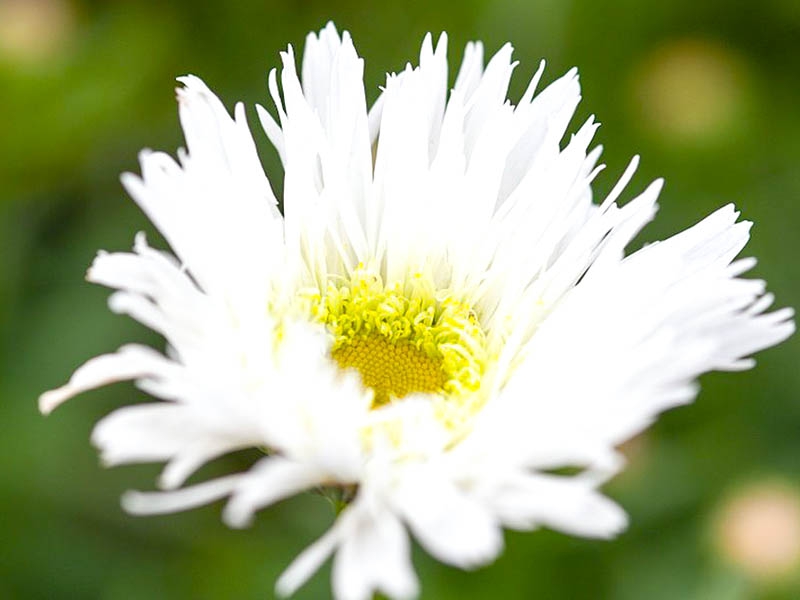
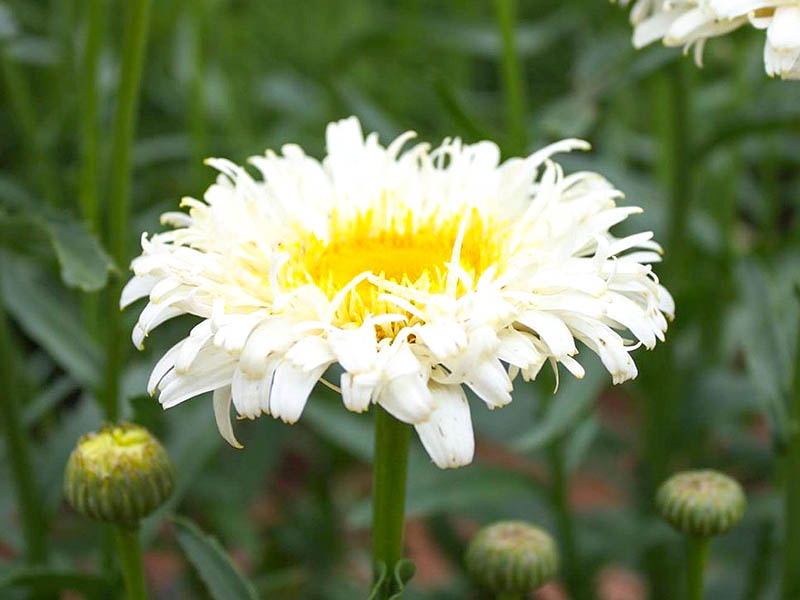
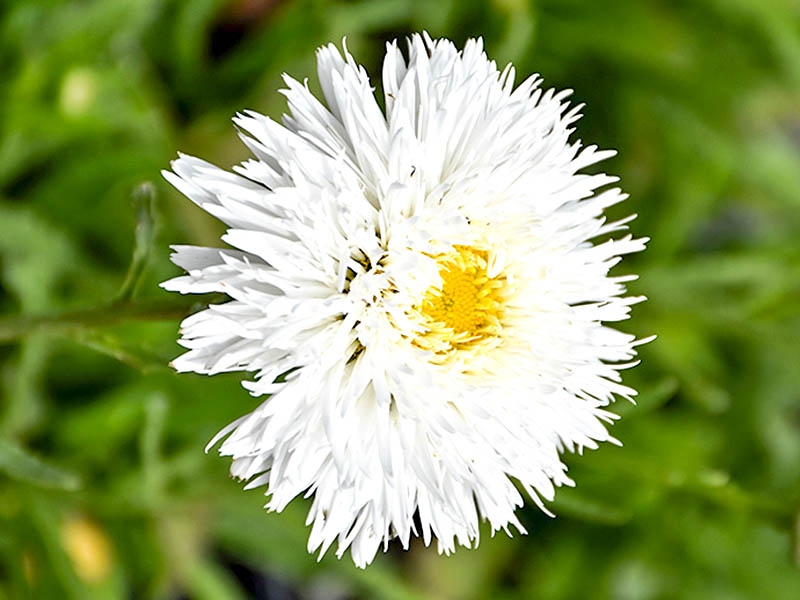
Shasta Daisy 'Santa' (Leucanthemum superbum 'Sante') is a perennial plant characterized by its beautiful white flowers and is widely cultivated in gardens. Growth Characteristics: Shasta Daisy 'Santa' prefers sunlight and thrives in well-drained soil. It grows to a height of approximately 60–80 cm and blooms in the summer. Flowering typically occurs between June and September. Propagation Methods: Propagation is primarily done through seeds or division. Seeds should be sown in the spring, while division is best performed in the autumn. Division involves dividing the roots; healthy roots are selected, separated, and transplanted. Cultivation Methods: Shasta Daisies thrive in sunny locations and require average watering and well-drained soil. Avoid excessive moisture, and care must be taken to prevent overwatering during the winter. Applying liquid fertilizer in spring and early summer aids in growth. Garden Use: Shasta daisies are very popular in gardens due to their showy flowers. It is recommended to plant them in the center or at the back of a flower bed to utilize their height. They pair well with other summer flowers and are frequently used in bouquets. Important Pests and Control Methods: The main pests of Shasta daisies are fungal diseases and aphids. To prevent fungal diseases, it is important to ensure good ventilation and avoid overwatering. In the case of aphids, they can be removed by washing them with water in the early stages, or organic insecticides can be used if necessary. You can protect the plant from pests through regular observation and preventive measures.
Plant Family
Asteraceae
Height
60~65cm
Spread
45~60cm
Colors
white
Bloom Period
June to August
Water Needs
commonly
Exposure
Sunny
Freezing Resistance
-30°C
French daisy
Leucanthemum vulgare
Shasta Daisy 'Old Court Variety'
Leucanthemum superbum
'Old Court Variety'